
Loading, please wait...
LOT 0426
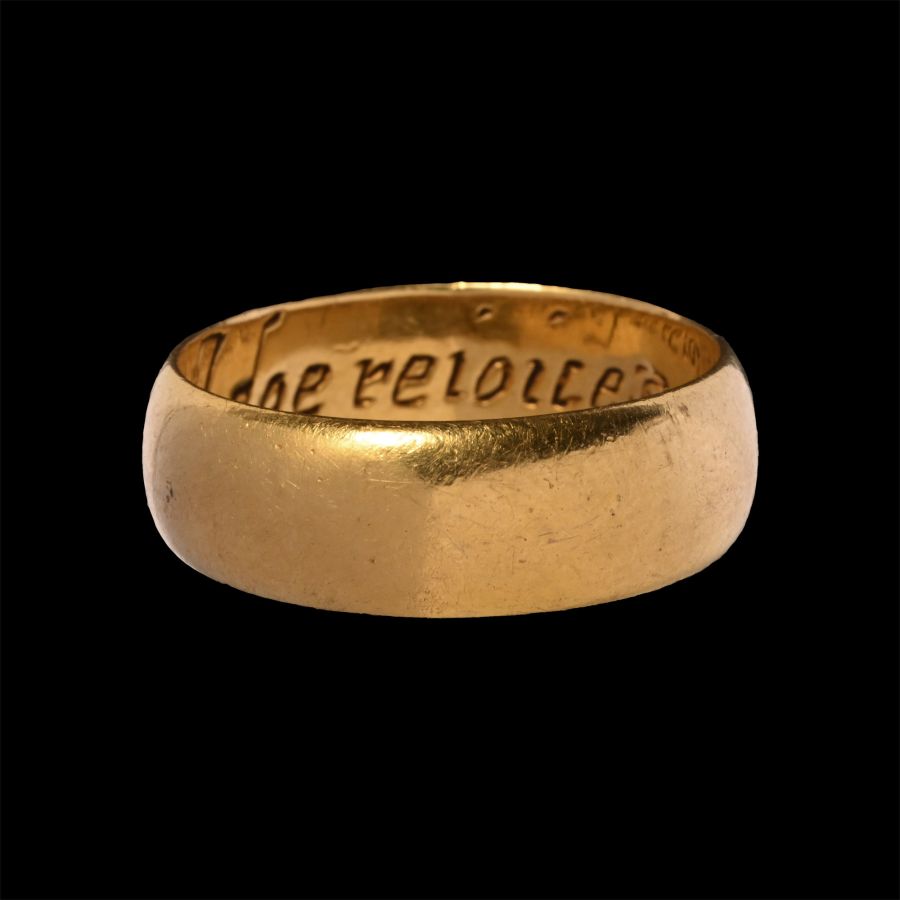
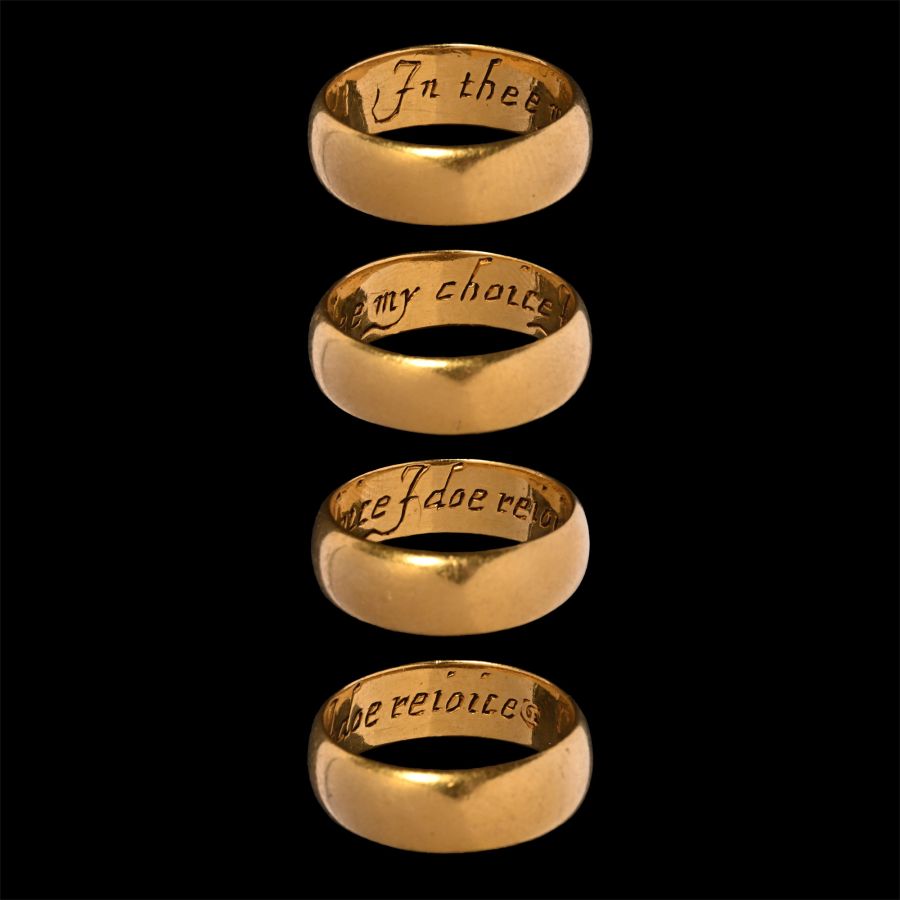
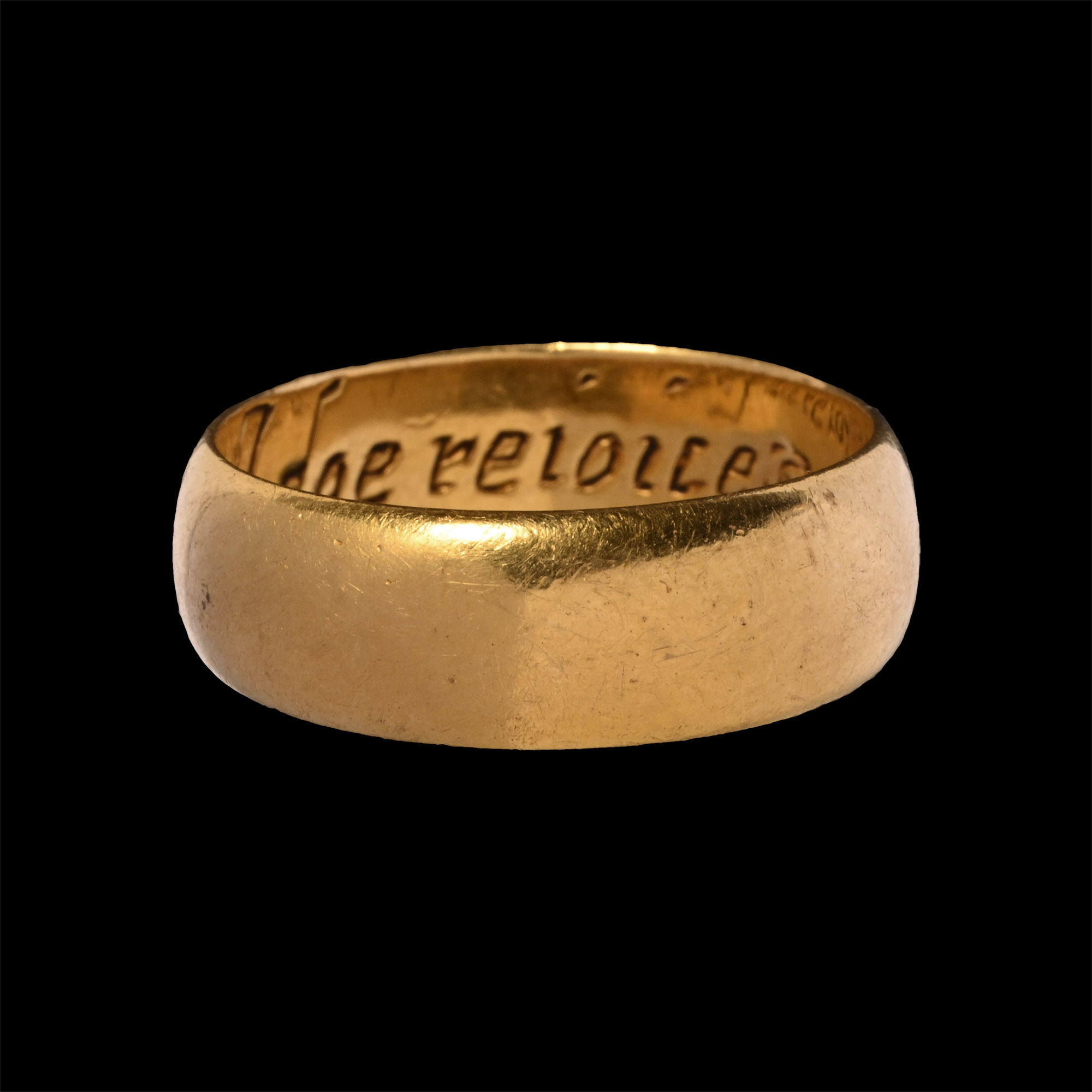
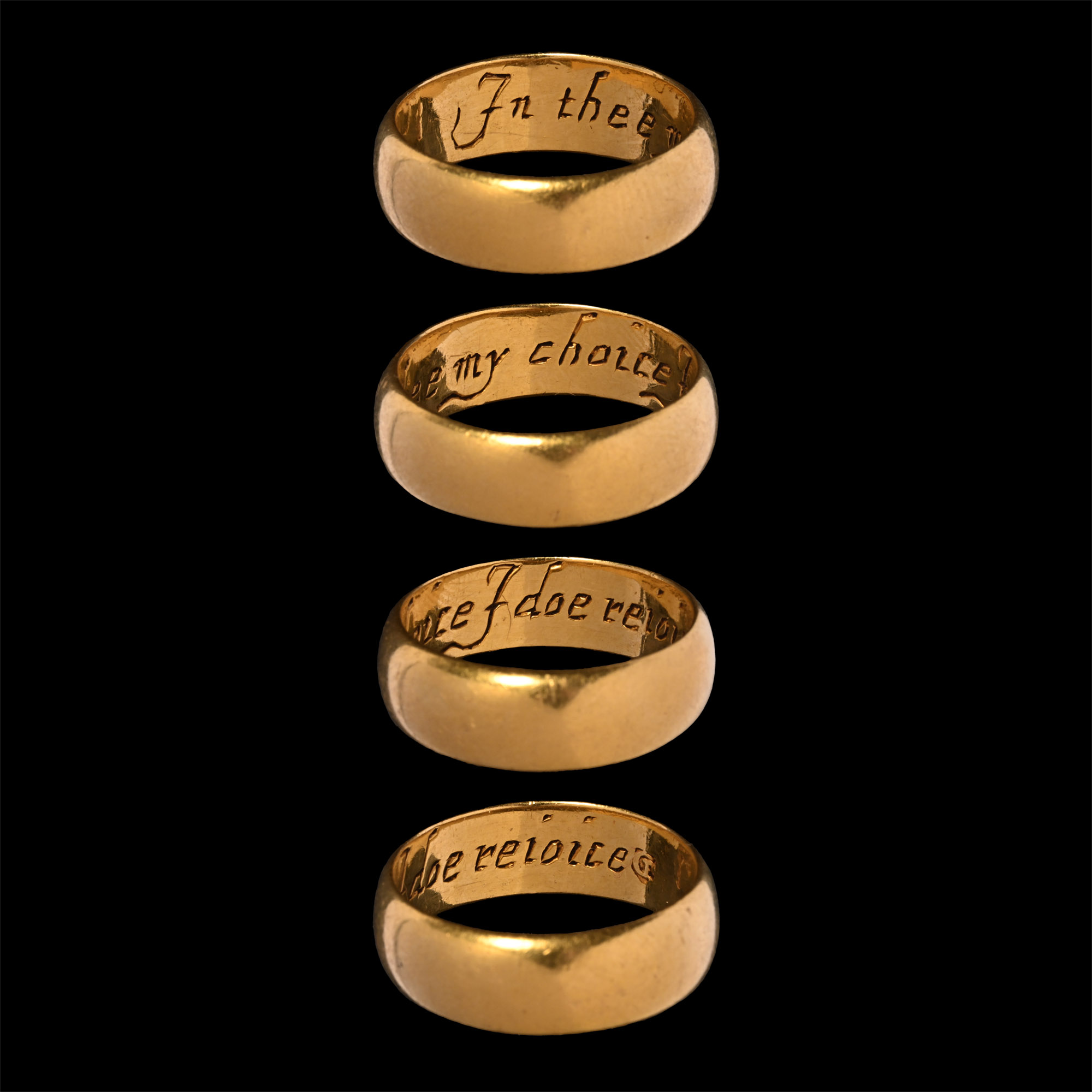
Post Medieval 'Published' Gold 'In thee my choice I doe reioice' Posy Ring
17TH CENTURY A.D.
7/8 in. (8.85 grams, 21.58 mm overall, 18.31 mm internal diameter (approximate size British P, USA 7 1/2, Europe 16.23, Japan 15)).
Barrel-shaped hoop with legend to the inner face in italic script ''In thee my choice I doe rejoice' and maker's mark 'CT'. [No Reserve]
ProvenanceFrom the collection of the famous author, writer and speaker, Gordon Bailey, Essex, UK; formed since 1968.
PublishedBailey, G., Detector Finds 3, Witham, 1997, p.71,73.
LiteratureSee Evans, J., English Posies and Posy Rings, Oxford, 1931, for discussion.
CONDITIONTimeLine Auctions follows a vetting process to ensure the authenticity and legality of all items, reinforcing our commitment to integrity and responsible trading. Each antiquity, antique, and coin lot undergoes thorough examination by a vetting committee of at least ten external specialists, professional trade association members, scientists, and archaeologists: Our Vetting Process
AUCTIONS:
TimeLine is a leading auction house specialising in antiquities, ancient art, collectables, natural history, coins, medals, and books. Our auctions offer museums, collectors, historians, and enthusiasts the opportunity to acquire unique and historically significant pieces.
LOT 0426
Post Medieval 'Published' Gold 'In thee my choice I doe reioice' Posy Ring
Sold for (Inc. bp): £1,430
-
Bronze Statue of 'Primitive Man'
German, early 20th century A.D.Estimate: £500 - 700 (+bp*)
Opening Bid: £250
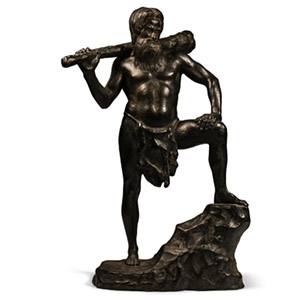
Naturalistically modelled in the round standing astride a rocky outcrop, barefoot and nude apart from a loincloth strung from the waist, resting a club on his muscular shoulders; likely produced for illustrative or anthropological academic purposes. 7.5 kg, 44 cm
Private collection, England. -
Georgian Iconographic 'Love and Enjoy' Silver Posy Ring
Circa 18th century A.D.Sold for (Inc. bp): £468
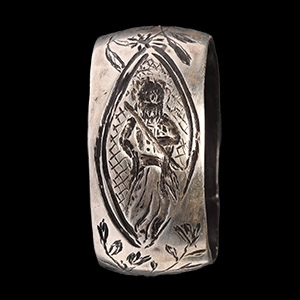
Barrel-shaped with inscribed foliage, floral motifs and vesica panel with standing figure; inscribed 'AMER ET IEOIR' (translating to 'LOVE AND ENJOY'). 8.34 grams, 22.12 mm overall, 18.35 mm internal diameter (approximate size British Q, USA 8, Europe 17.49, Japan 16)
Private collection, Arundel, West Sussex, UK, 1975-late 1990s. -
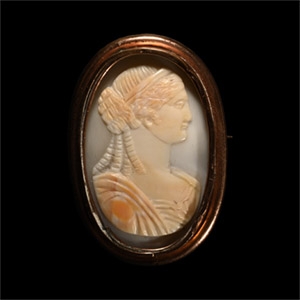
Neoclassical Shell Cameo of a Noble Lady in Gilt Brooch
Late 19th-early 20th century A.D.Sold for (Inc. bp): £7
Lustrous cameo with profile female bust in classical palla and with stephane to the hair; set in a gilt frame with securing pin to reverse. 11.2 grams, 42 mm
Private collection, England.
