
Loading, please wait...
LOT 1953
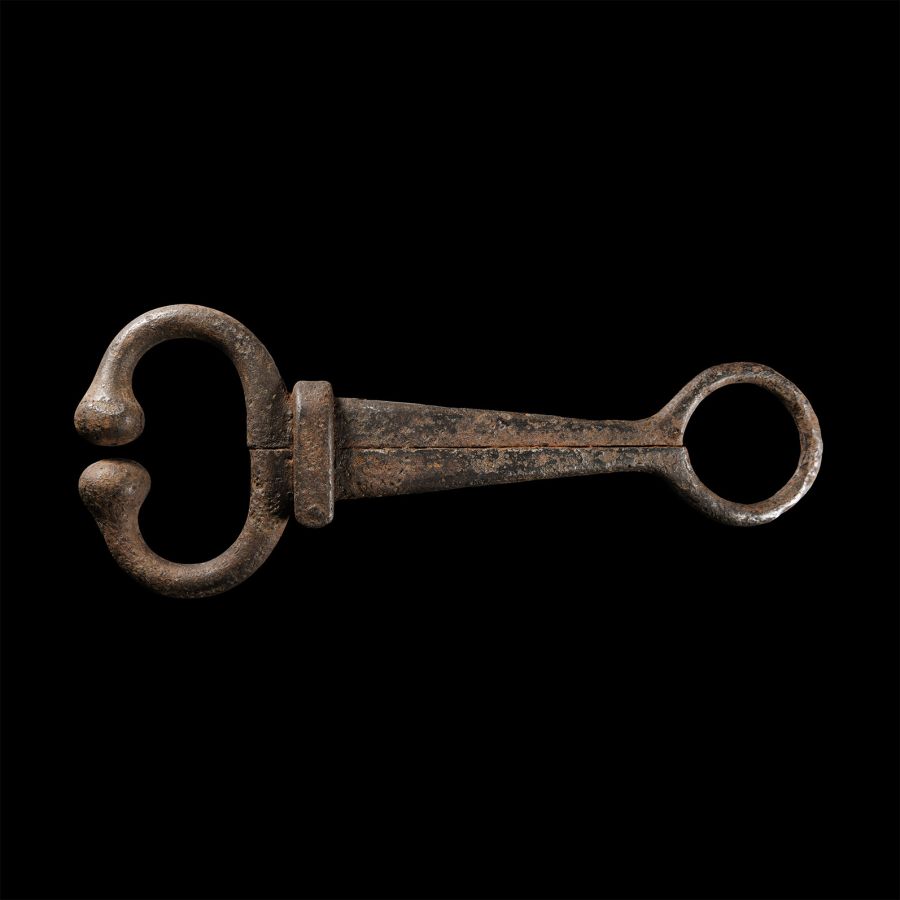
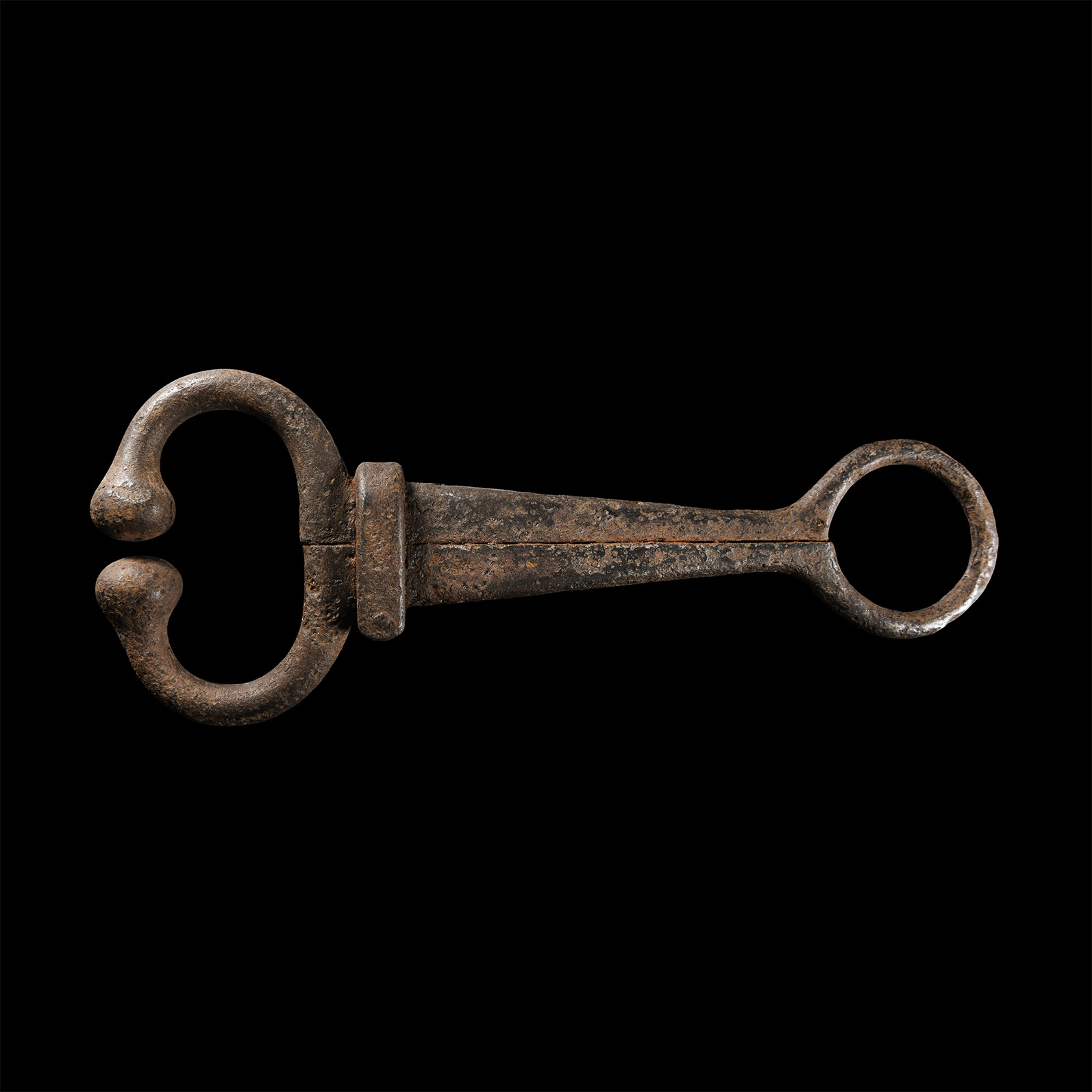
Post Medieval Iron Bull Nose Tether
18TH-19TH CENTURY A.D. OR EARLIER
8 1/4 in. (325 grams, 21 cm).
Formed as a circular spring and two expanding arms developing to a penannular clamp with bulb finials; sliding retainer clip.
ProvenanceFrom a Home Counties collection, 1970-1980.
CONDITIONTimeLine Auctions follows a vetting process to ensure the authenticity and legality of all items, reinforcing our commitment to integrity and responsible trading. Each antiquity, antique, and coin lot undergoes thorough examination by a vetting committee of at least ten external specialists, professional trade association members, scientists, and archaeologists: Our Vetting Process
AUCTIONS:
TimeLine is a leading auction house specialising in antiquities, ancient art, collectables, natural history, coins, medals, and books. Our auctions offer museums, collectors, historians, and enthusiasts the opportunity to acquire unique and historically significant pieces.
LOT 1953
Post Medieval Iron Bull Nose Tether
Estimate £150 - 200€170 - 230 (for guidance only)$200 - 270 (for guidance only)
-
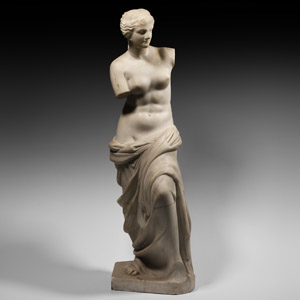
Marble Venus of Milo Statue
19th century A.D.Estimate: £1,000 - 1,400 (+bp*)
Opening Bid: £556
A copy of the famous Venus of Milo, naturalistically portrayed with her garment having fallen from her shoulders, hanging loose at her waist and exposing her breasts. 34.8 kg, 77 cm high
French collection, 1960s-early 2000s. From an important Paris gallery, France.
Aphrodite of Milos, better known as the Venus of Milo, is an ancient Greek statue and one of the most famous works of ancient Greek sculpture known today, created between 130-100 years B.C. The original is currently displayed at the Louvre in Paris. -
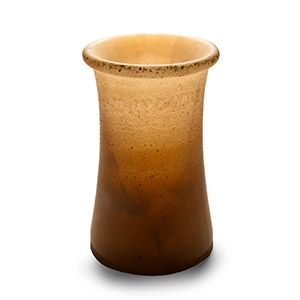
Bactrian Style Alabaster Jar
20th century A.D.Sold for (Inc. bp): £117
Carved with tapering sidewalls and rolled rim; slightly rounded base. 1.7 kg, 19.5 cm high
Property of a North London, UK, gentleman. -
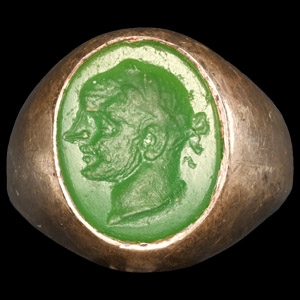
Green Glass Gemstone with Portrait of a Man in Silver Ring
19th-20th century A.D.Sold for (Inc. bp): £117
Green glass cloison with profile bust of a bearded man with laurel-leaf crown. 8.99 grams, 25.82 mm overall, 19.73 mm internal diameter (approximate size British T, USA 9 1/2, Europe 21.26, Japan 20)
Acquired by the vendor's father on the UK art market, before 1990.
