
Loading, please wait...
LOT 1180
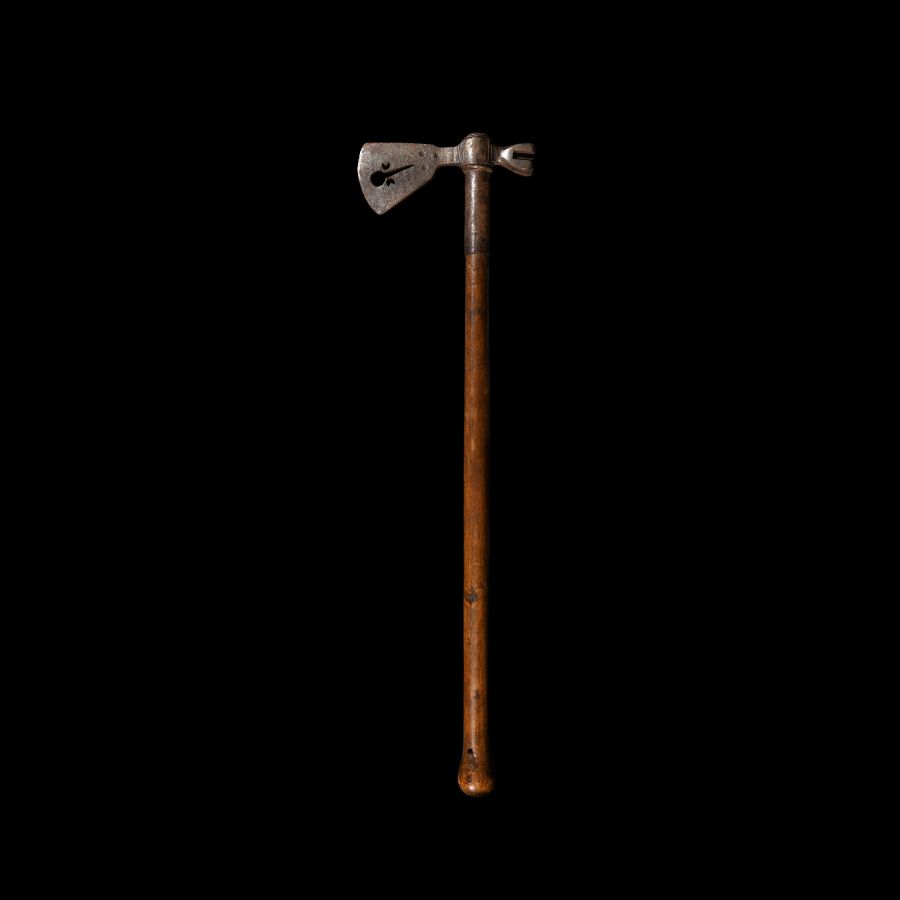
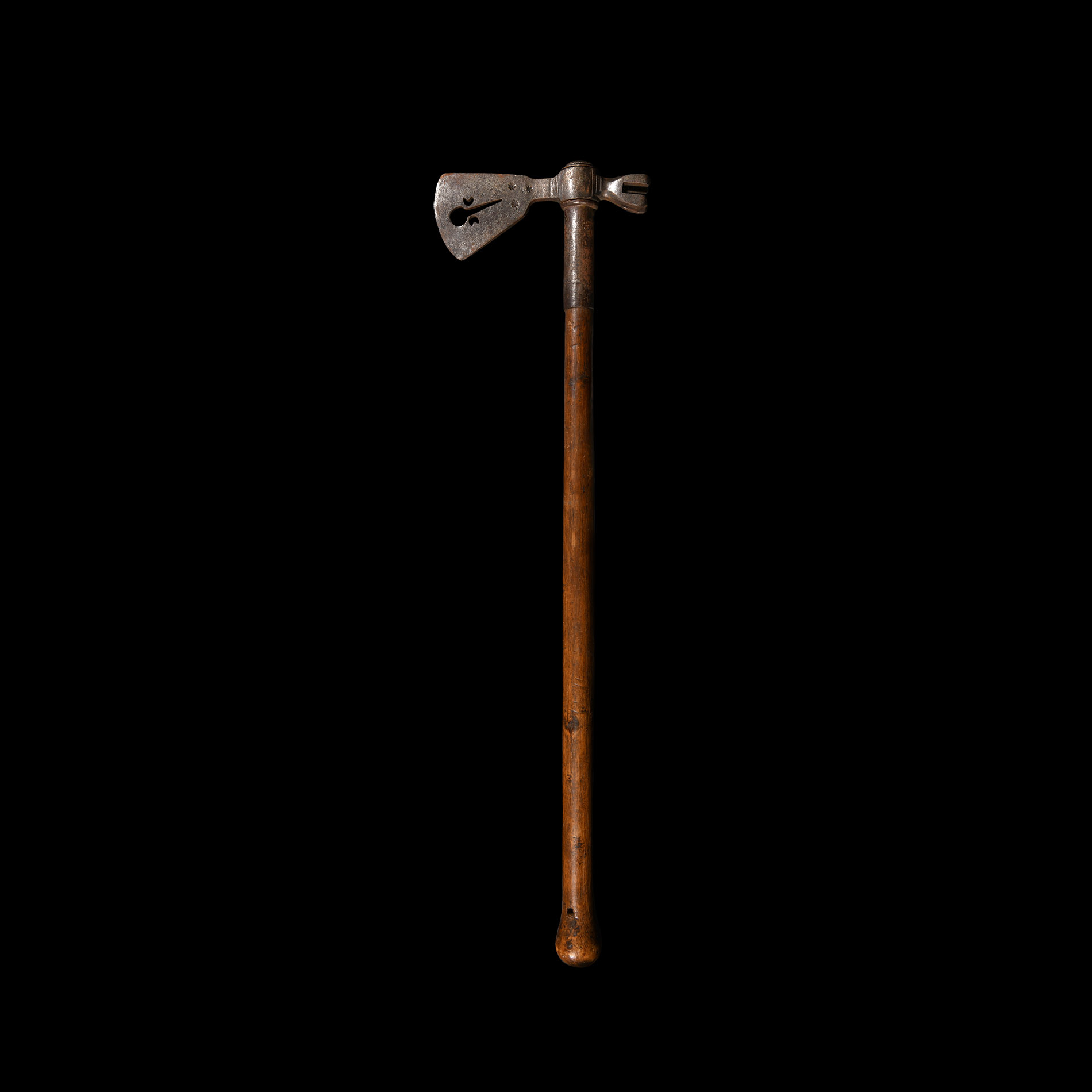
Post Medieval Horseman's Axe
LATE 17TH CENTURY A.D. OR LATER
26 3/8 in. (740 grams, 67 cm).
Featuring an openwork blade stamped with maker's marks on both faces: three punched starburst marks to one face, starburst and cross with two pellets to the reverse; later wooden shaft, collar and rivet.
ProvenanceAcquired 1990s-early 2000s.
East Anglian private collection.
See Wheeler, M., London Museum Medieval Catalogue, reprinted Ipswich, 1993, p.59-65, for discussion.
CONDITIONTimeLine Auctions follows a vetting process to ensure the authenticity and legality of all items, reinforcing our commitment to integrity and responsible trading. Each antiquity, antique, and coin lot undergoes thorough examination by a vetting committee of at least ten external specialists, professional trade association members, scientists, and archaeologists: Our Vetting Process
AUCTIONS:
TimeLine is a leading auction house specialising in antiquities, ancient art, collectables, natural history, coins, medals, and books. Our auctions offer museums, collectors, historians, and enthusiasts the opportunity to acquire unique and historically significant pieces.
-
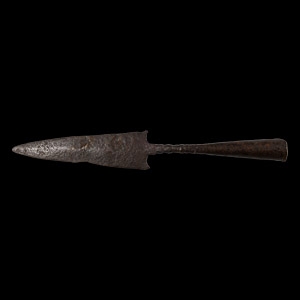
Ummayad Bronze Spearhead
7th-8th century A.D.Estimate: £300 - 400 (+bp*)
Opening Bid: £133
Formed with a broadly triangular blade, narrow neck and tapering round-section socket. 245 grams, 34 cm
Ex old English collection. The Kusmirek Collection, UK.
The basic Arabic term for a spear or lance, whether used by cavalry or infantry, was rumh. In the 7th century it normally would have been ten or twelve cubits long, i.e. four and a half metres. -
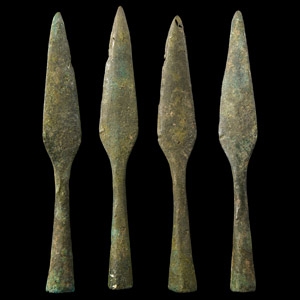
Scythian Bronze Arrowhead Group
5th-3rd century B.C.Sold for (Inc. bp): £208
Composed of four socketted lanceolate arrowheads. 64 grams total, 95-97 mm
Acquired on the EU art market around 2000. From the collection of a North American gentleman. -
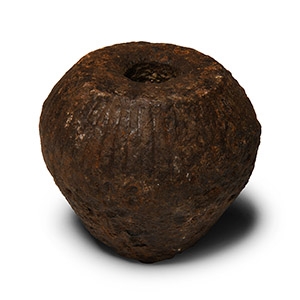
Medieval Eastern European Iron Macehead
14th-15th century A.D.Sold for (Inc. bp): £117
Displaying shallow striations running vertically around the body; cylindrical socket. 828 grams, 64 mm wide
Acquired 1990s-early 2000s. East Anglian private collection.
This kind of later maces, typical of 15th century, had irregularly shaped heads, with spheres having holes for the insertion of the shaft. Incised, parallel strips formed a cross ornament running horizontally and vertically. Grooved lines were carved in the fields between.
