
Loading, please wait...
LOT 2080
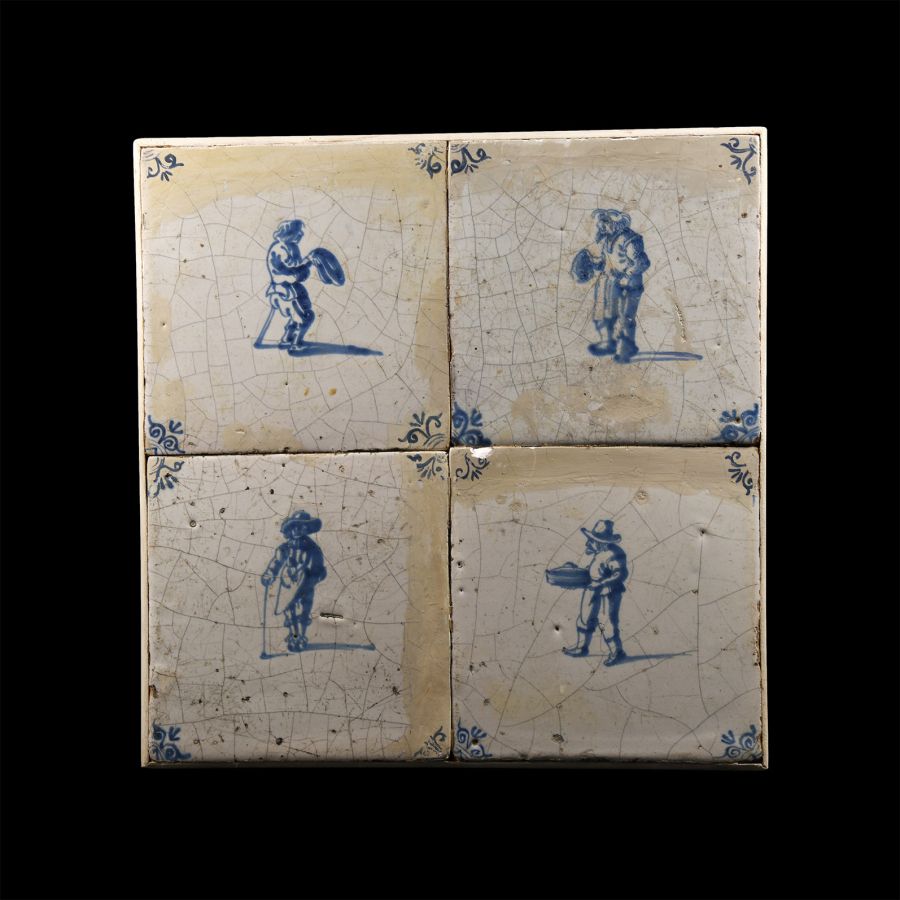
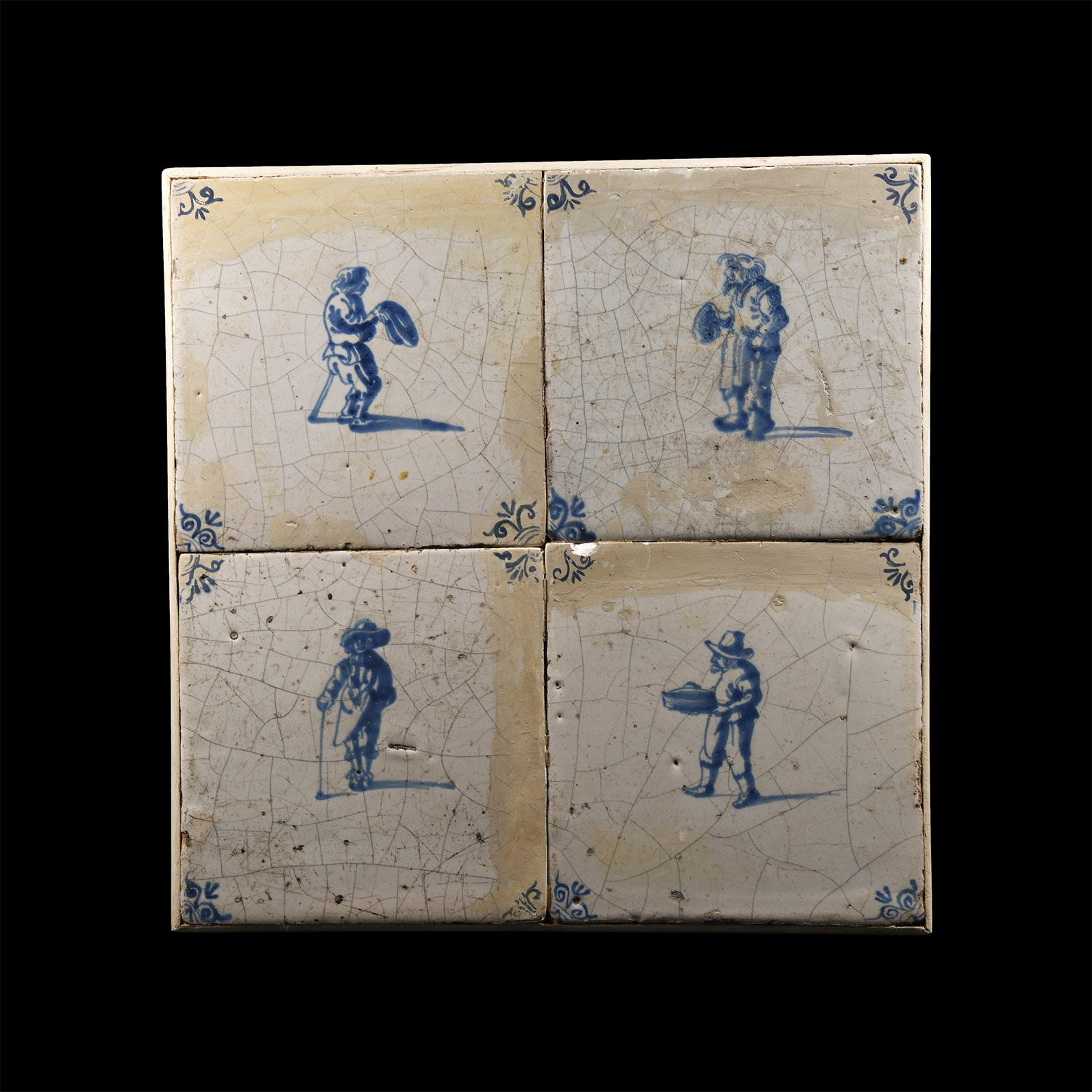
Post Medieval Glazed Ceramic Tile Set
CIRCA 18TH CENTURY A.D.
10 1/2 x 10 1/2 in. (2.14 kg, 26.5 x 26.5 cm).
Displayed in a wooden frame, showing a series of male figures wearing period dress, engaged in various activities. [No Reserve]
ProvenanceAcquired 1990s-early 2000s.
East Anglian private collection.
TimeLine Auctions follows a vetting process to ensure the authenticity and legality of all items, reinforcing our commitment to integrity and responsible trading. Each antiquity, antique, and coin lot undergoes thorough examination by a vetting committee of at least ten external specialists, professional trade association members, scientists, and archaeologists: Our Vetting Process
AUCTIONS:
TimeLine is a leading auction house specialising in antiquities, ancient art, collectables, natural history, coins, medals, and books. Our auctions offer museums, collectors, historians, and enthusiasts the opportunity to acquire unique and historically significant pieces.
-
.jpg)
Post Medieval Bronze Statuette of a Roman Banqueteer
18th-20th century A.D.Sold for (Inc. bp): £494
Seated on a footed plinth, wearing a robe which exposes his left breast, right leg crossed over the left, holding a goblet in his left hand and a bunch of grapes in his right, naturalistic facial features. 741 grams, 11.3 cm high
Fine condition.
Acquired in the 1980s-1990s. Previously with Mansour Gallery, London W1. Property of a North West London gentleman. -
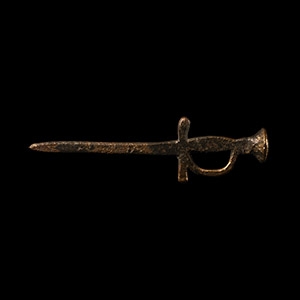
Post Medieval Bronze Model of a Sword
17th-18th century A.D.Sold for (Inc. bp): £13
Formed as a rapier with openwork handle. 9.35 grams, 78 mm
European collection, 1990s. Property of a Cambridgeshire, UK, gentleman. -
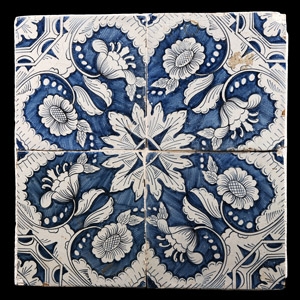
Post Medieval Glazed Ceramic Tile Display
17th century A.D.Sold for (Inc. bp): £13
Displaying a floral design; mounted on a backboard with suspender for display. 1.6 kg, 25.5 x 25.8 cm
Acquired 1960s-1990s. Late Alison Barker collection, a retired London barrister.
