
Loading, please wait...
LOT 2024
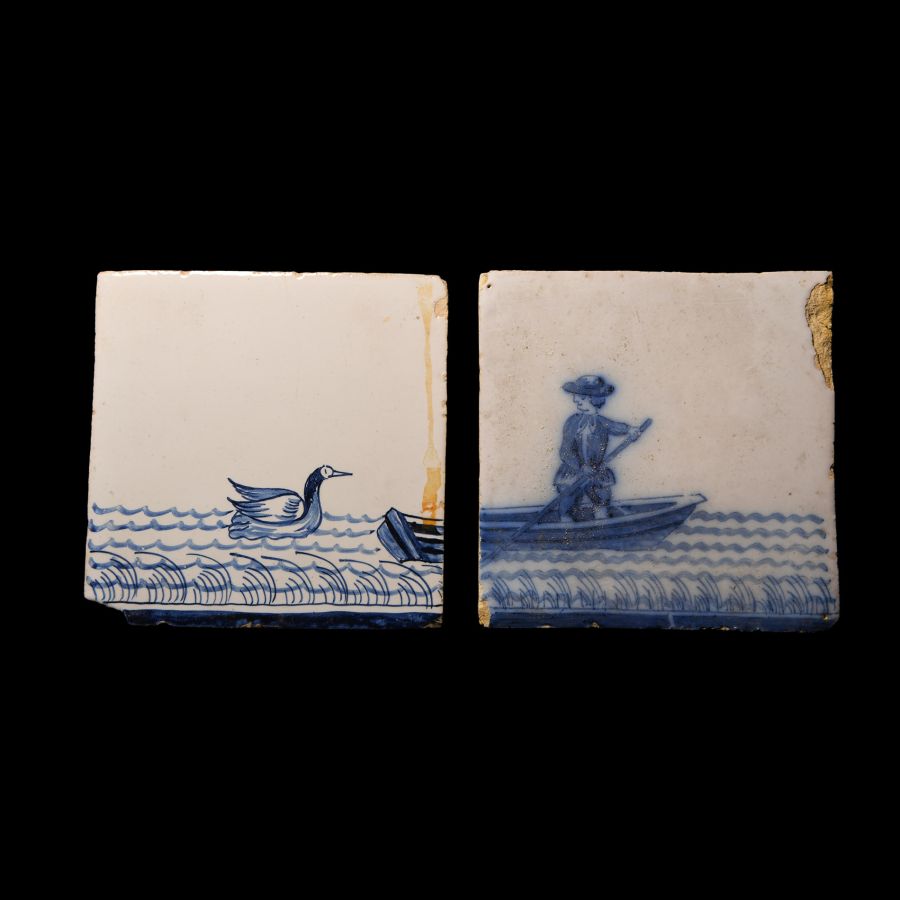
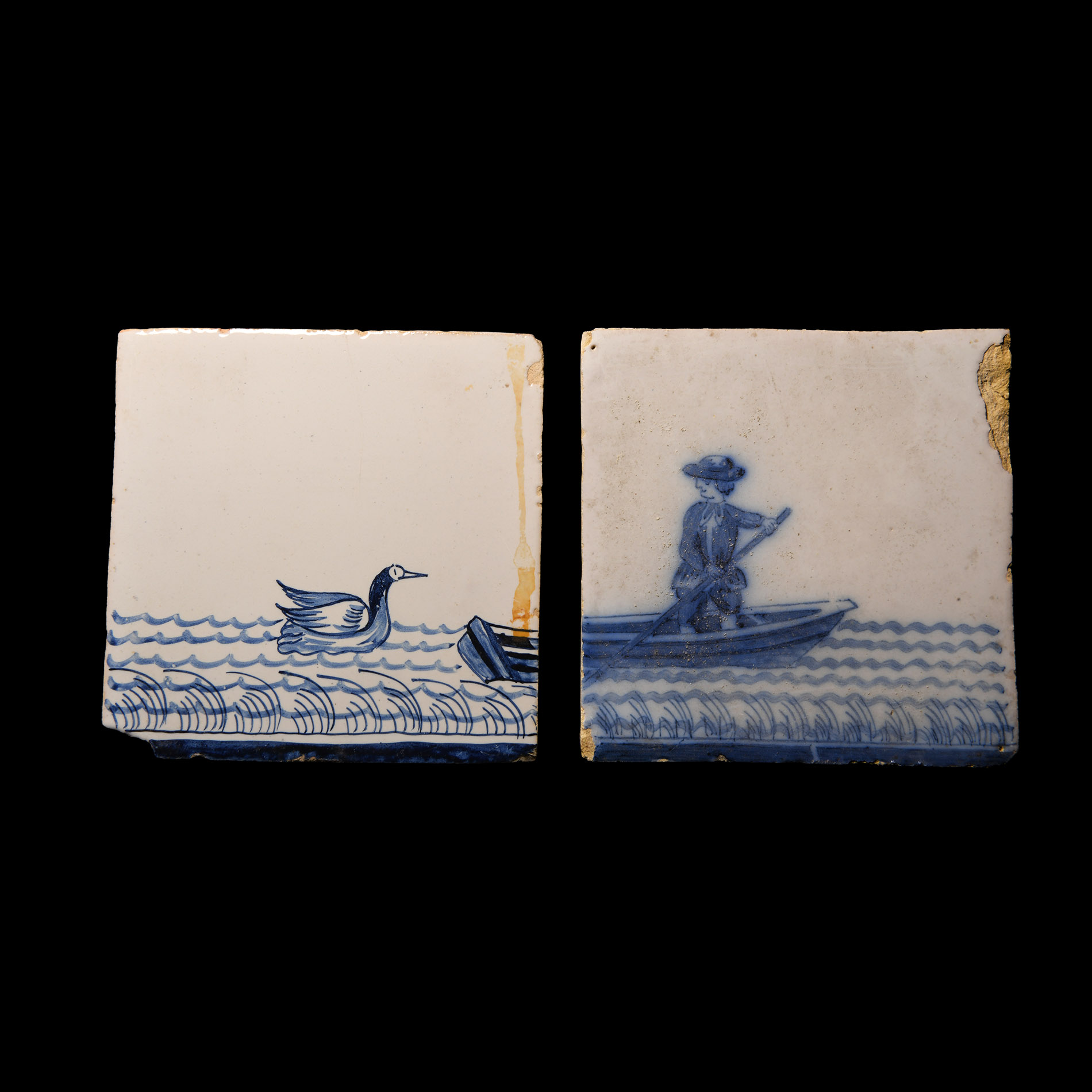
Post Medieval Glazed Ceramic Tile Set with Boating Scene
CIRCA 18TH CENTURY A.D.
5 1/8 x 5 1/8 in. (454 grams total, 13 x 13 cm each).
A duck or swan shown on the water; tiles of different thicknesses. [2, No Reserve]
ProvenanceAcquired 1990s-early 2000s.
East Anglian private collection.
TimeLine Auctions follows a vetting process to ensure the authenticity and legality of all items, reinforcing our commitment to integrity and responsible trading. Each antiquity, antique, and coin lot undergoes thorough examination by a vetting committee of at least ten external specialists, professional trade association members, scientists, and archaeologists: Our Vetting Process
AUCTIONS:
TimeLine is a leading auction house specialising in antiquities, ancient art, collectables, natural history, coins, medals, and books. Our auctions offer museums, collectors, historians, and enthusiasts the opportunity to acquire unique and historically significant pieces.
LOT 2024
Post Medieval Glazed Ceramic Tile Set with Boating Scene
Sold for (Inc. bp): £46
-
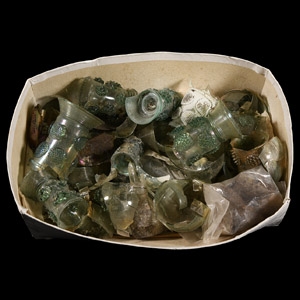
Post Medieval Glass Fragment Group
Circa 16th-17th century A.D.Sold for (Inc. bp): £7
Comprising vessel fragments decorated with appliqués together with plain glass fragments of different colours. 1.6 kg total, 30-92 mm
Acquired 1990s-early 2000s. East Anglian private collection. -
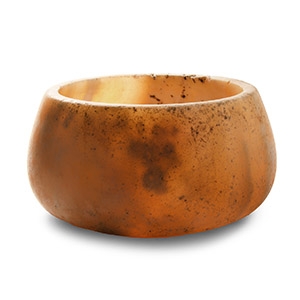
Bactrian Style Alabaster Jar
20th century A.D.Estimate: £100 - 140 (+bp*)
Opening Bid: £50
Squat and broad-based with sloping sidewall, flat rim. 1.5 kg, 16 cm wide
Property of a North London, UK, gentleman. -
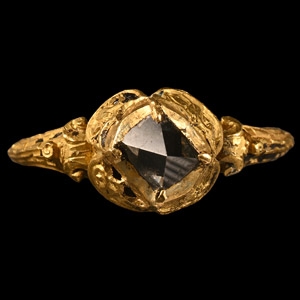
Elizabethan Gold Ring with Diamond Crystal
Circa 16th century A.D.Sold for (Inc. bp): £6,500
Composed of a quatrefoil bezel set with a point-cut diamond, raised and chased shoulders displaying volutes, billeting and pellets, with trace remains of black enamel. 2.98 grams, 24.46 mm overall, 16.75 mm internal diameter (approximate size British L, USA 5 3/4, Europe 11.24, Japan 10)
Acquired 1990s-early 2000s. East Anglian private collection. This lot has been checked against the Interpol Database of stolen works of art and is accompanied by search certificate no.201075.
The point-cut diamond was oftentimes used by the wearer to engrave a personal motto or message onto a pane of glass.
