
Loading, please wait...
LOT 2058
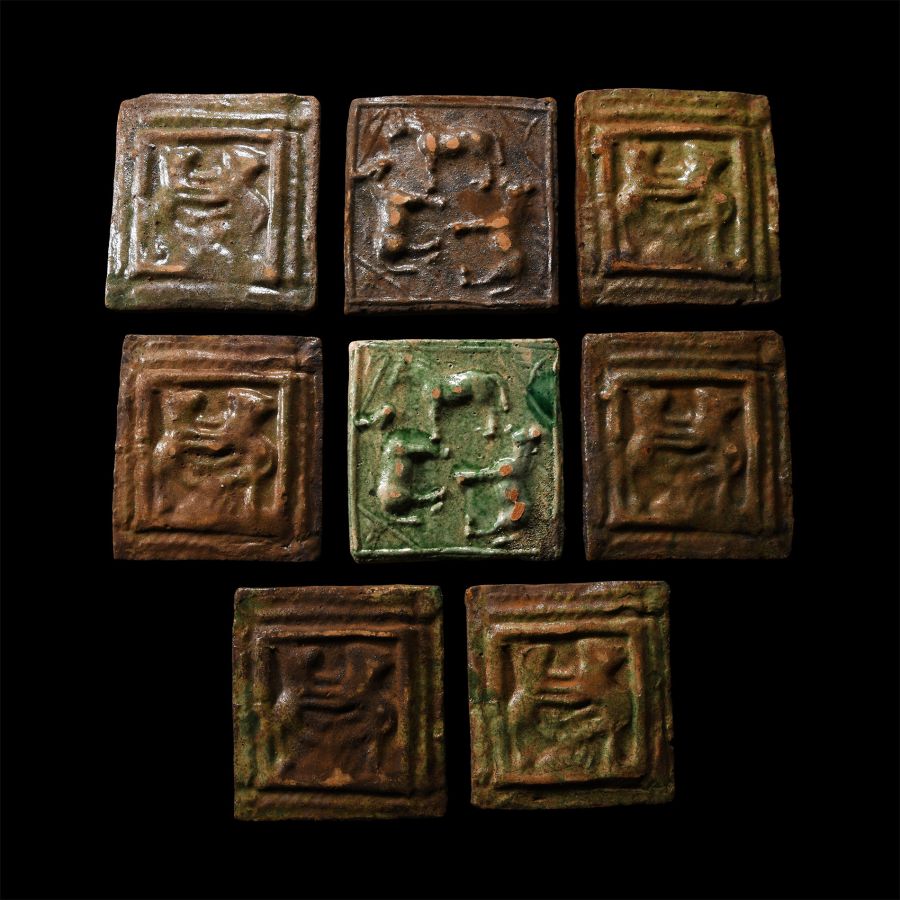
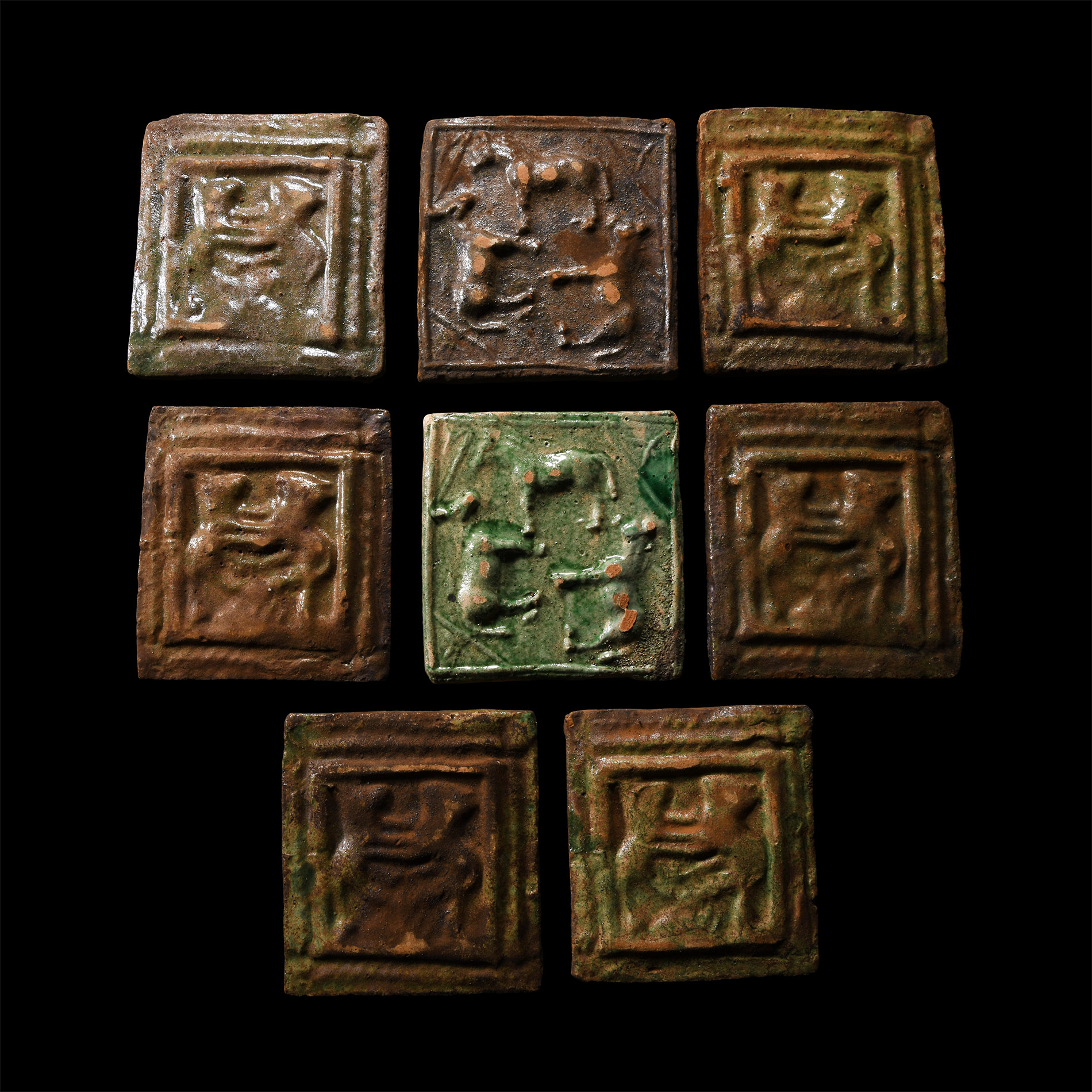
Post Medieval Glazed Ceramic Tile Group
17TH-18TH CENTURY A.D.
3 3/4 x 4 - 3 3/4 x 4 1/8 in. (1.24 kg total, 9.4 x 10 - 9.5 x 10.4 cm).
Comprising two designs in relief: three horses in an enclosure; two felines grappling with each other. [8, No Reserve]
ProvenanceAcquired 1990s-early 2000s.
East Anglian private collection.
Cf. similar example in style, with double border, in the British Museum, inventory no.OA.7394.
FootnotesThe tile production increases in the second half of the sixteenth century and during the following centuries. The fragments discovered from various localities (pot-tiles, rectangular, triangular and trapezoidal panels, open-work crest tiles) were all produced in regional workshops, from the end of the 15th century or at the beginning of the 16th century. They all had diverse decorative motifs, mainly animals and geometrical or vegetal combinations, almost all of them singular finds for this study area.
CONDITIONTimeLine Auctions follows a vetting process to ensure the authenticity and legality of all items, reinforcing our commitment to integrity and responsible trading. Each antiquity, antique, and coin lot undergoes thorough examination by a vetting committee of at least ten external specialists, professional trade association members, scientists, and archaeologists: Our Vetting Process
AUCTIONS:
TimeLine is a leading auction house specialising in antiquities, ancient art, collectables, natural history, coins, medals, and books. Our auctions offer museums, collectors, historians, and enthusiasts the opportunity to acquire unique and historically significant pieces.
-
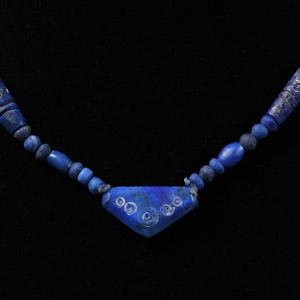
Bactrian Style Lapis Lazuli Bead Necklace String
20th century A.D.Sold for (Inc. bp): £26
Graduated group of beads, mainly tubular, fusiform and annular types with triangular 'elbow' bead centrepiece. 39 grams, 46 cm
London, UK, art market, 1980-2000s -
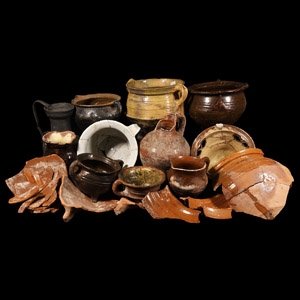
Post Medieval and Later Pottery Group
Circa 16th-19th century A.D.Sold for (Inc. bp): £5
Comprising mainly glazed vessels and fragments including chamber pots, juglets, tripod pouring jugs, bowls with pierced work decoration and others; together with an almost complete vessel in fragments and a pewter tankard. 12.5 kg total, 5.5-26 cm
Acquired 1990s-early 2000s. East Anglian private collection. -
.jpg)
Bactrian Style Lapis Lazuli Bead Necklace String
20th century A.D.Sold for (Inc. bp): £33
Graduated group of beads, mainly polyhedral and annular types. 42 grams, 42.5 cm
London, UK, art market, 1980-2000s
