
Loading, please wait...
LOT 2041
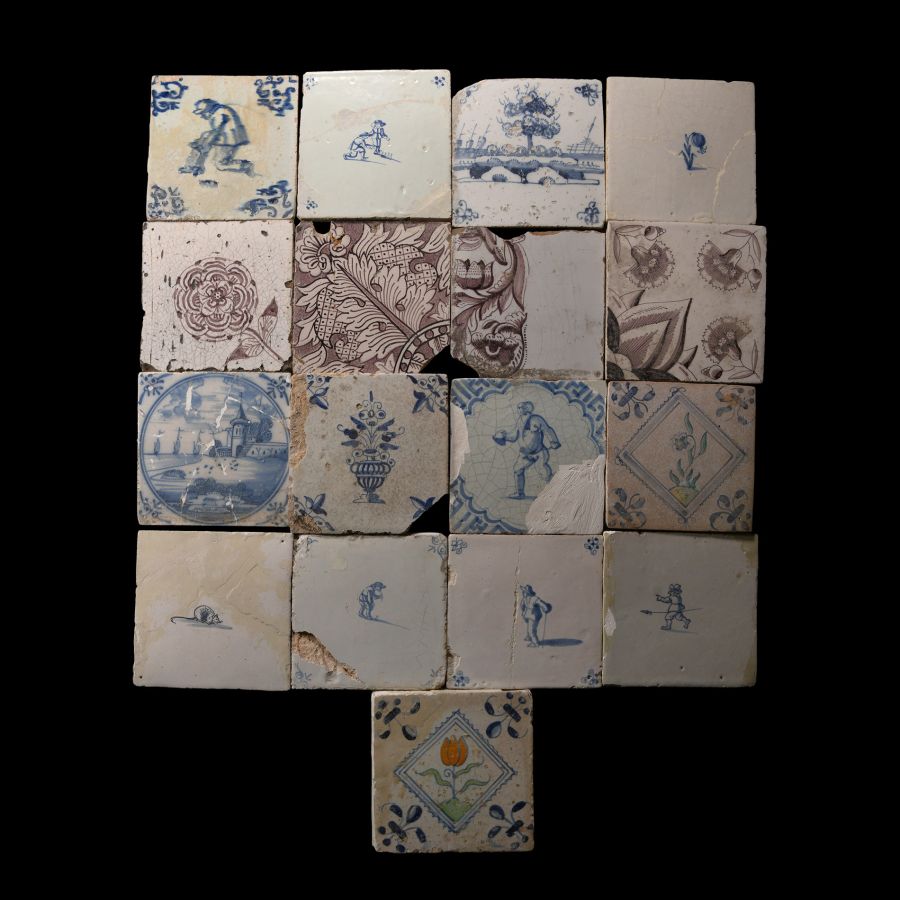
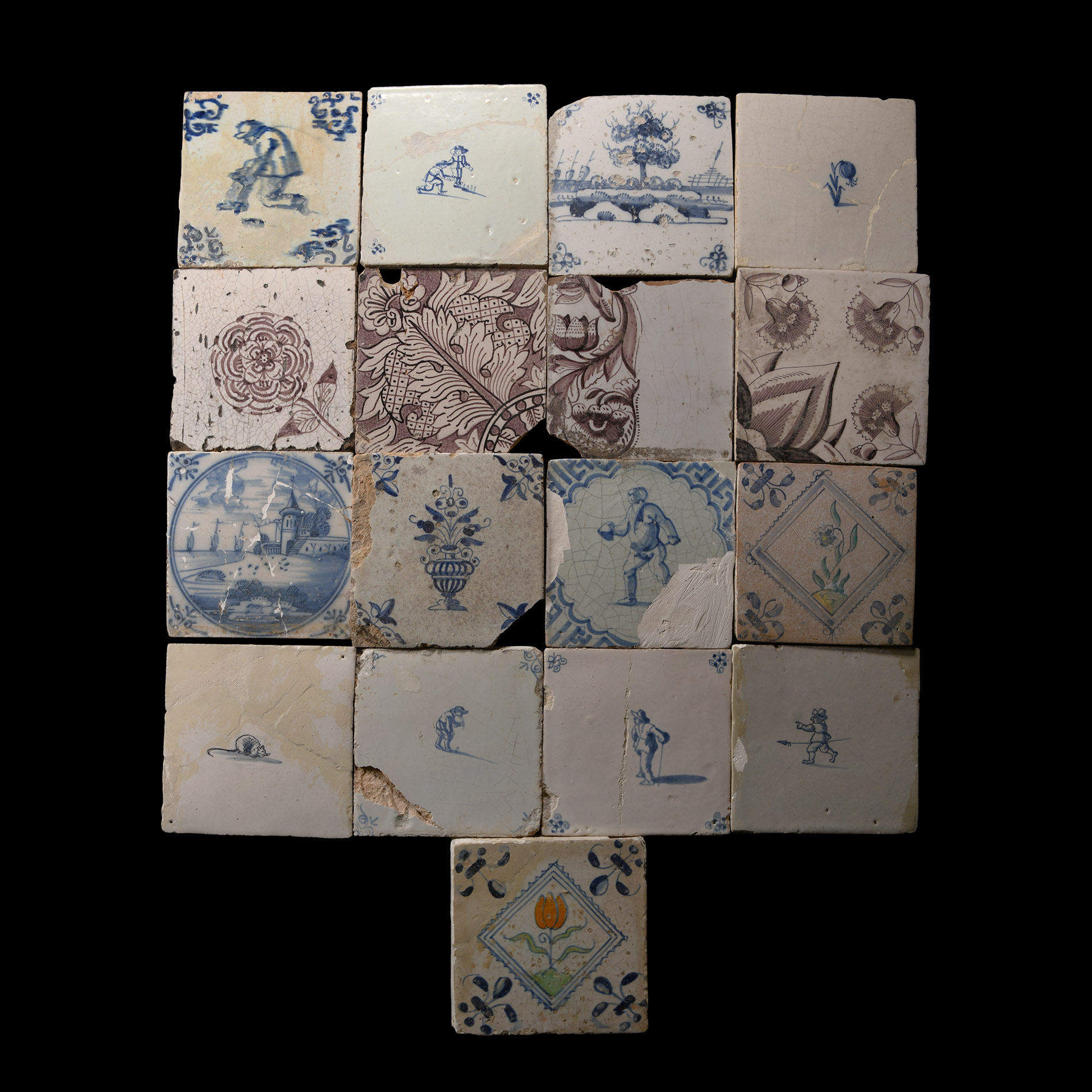
Post Medieval Dutch Glazed Ceramic Tile Group
CIRCA 17TH-18TH CENTURY A.D.
5 1/8 x 5 1/8 - 5 1/4 x 5 1/4 in. (5.33 kg total, 13 x 13 - 13.5 x 13.5 cm).
Comprising various coloured glazed and featuring floral and vegetal motifs, figural scenes, animals and landscape/seascape compositions. [17, No Reserve]
ProvenanceAcquired 1990s-early 2000s.
East Anglian private collection.
TimeLine Auctions follows a vetting process to ensure the authenticity and legality of all items, reinforcing our commitment to integrity and responsible trading. Each antiquity, antique, and coin lot undergoes thorough examination by a vetting committee of at least ten external specialists, professional trade association members, scientists, and archaeologists: Our Vetting Process
AUCTIONS:
TimeLine is a leading auction house specialising in antiquities, ancient art, collectables, natural history, coins, medals, and books. Our auctions offer museums, collectors, historians, and enthusiasts the opportunity to acquire unique and historically significant pieces.
-
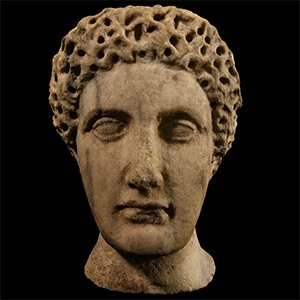
Roman Style Marble Head of a Noble Lady
19th century A.D.Sold for (Inc. bp): £975
Carved in the round as a female bust with detailed chignon hairstyle; mounting socket to underside. 13.65 kg, 27.5 cm
Private collection, England. -
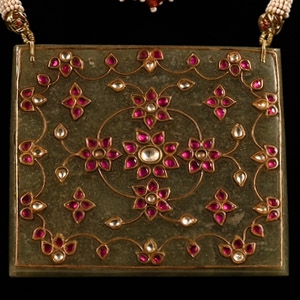
Jadeite Pendant Necklace with 'Rubies' and Other Cabochons
Late 19th-early 20th century A.D.Sold for (Inc. bp): £52
Plaque with floral design comprising inset glass cabochons, synthetic rubies and gold-coloured wire detailing. 151 grams, pendant size: 85 x 73 mm
Property of a South West London gentleman. -
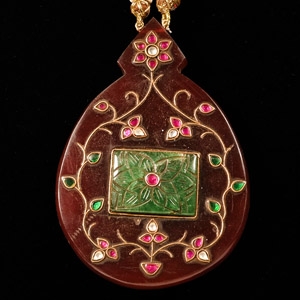
Jadeite Pendant Necklace with 'Rubies' and Other Cabochons
Late 19th-early 20th century A.D.Sold for (Inc. bp): £130
Plaque with floral design comprising inset glass cabochons, synthetic rubies and gold-coloured wire detailing, central floral plaque. 100 grams, pendant height: 98 mm
Property of a South West London gentleman.
