
Loading, please wait...
LOT 2029
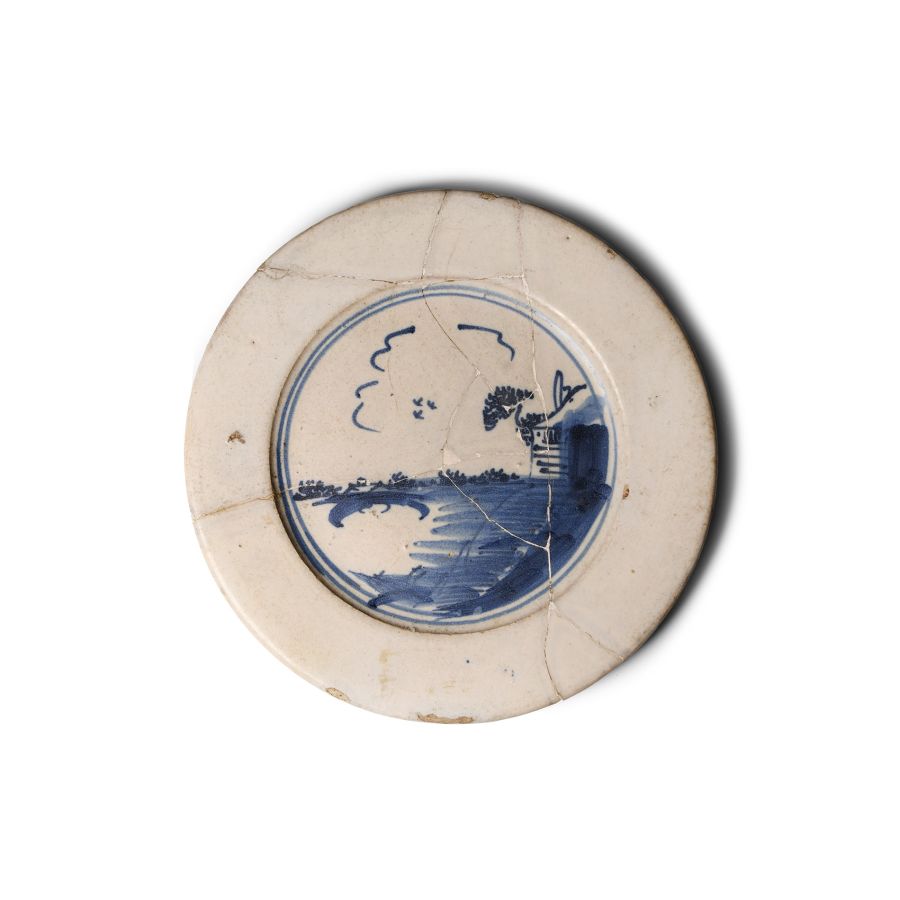
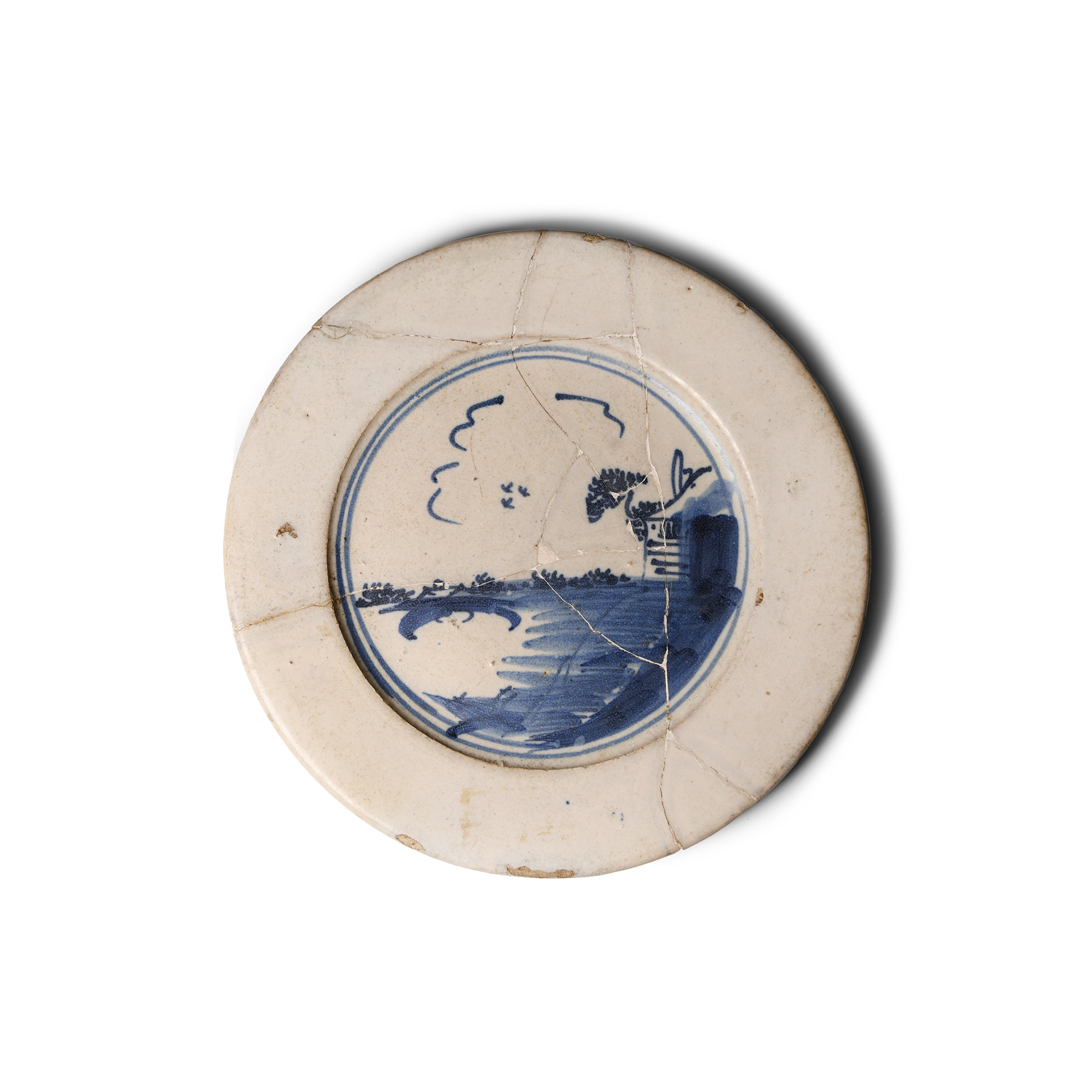
Post Medieval Delft Tin-Glazed Ceramic Plate
17TH CENTURY A.D.
8 1/2 in. (414 grams, 21.5 cm wide).
Displaying a building set in a landscape; repaired. [No Reserve]
ProvenanceAcquired 1960s-1990s.
Late Alison Barker collection, a retired London barrister.
TimeLine Auctions follows a vetting process to ensure the authenticity and legality of all items, reinforcing our commitment to integrity and responsible trading. Each antiquity, antique, and coin lot undergoes thorough examination by a vetting committee of at least ten external specialists, professional trade association members, scientists, and archaeologists: Our Vetting Process
AUCTIONS:
TimeLine is a leading auction house specialising in antiquities, ancient art, collectables, natural history, coins, medals, and books. Our auctions offer museums, collectors, historians, and enthusiasts the opportunity to acquire unique and historically significant pieces.
-
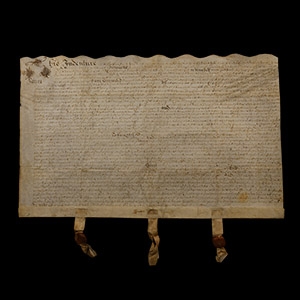
Charles II Period Vellum Indenture with Seals
Dated 1668 A.D.Sold for (Inc. bp): £78
Relating to a parcel of land called 'Conduit field' sold by Rowland and David Pearse of Bridgnorth, Shropshire to Edward Mylner of Bridgnorth for 'forty three pownds of lawful money of England'; with three vellum tags attached, two with red wax seals; endorsed to Thomas Norris by David Pearse. 71 grams, 64 cm wide
Acquired on the UK antiques market between 1974-1985. Albert Ward collection, Essex, UK. -
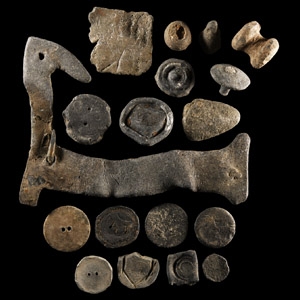
Post Medieval 'Thames' Lead Artefact Collection
18th-19th century A.D.Sold for (Inc. bp): £1
Including two possible candle holders, a large letter 'L 'from a ship's name-plate, a palm guard, a plaque with multiple stamped legends and other items. 872 grams total, 2.1-16 cm
Found Thames foreshore spoil, 1980s. -
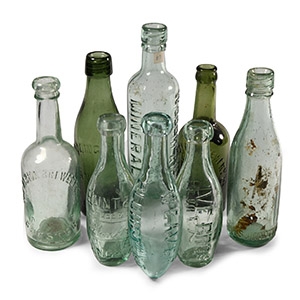
Post Medieval Mixed Glass Drinks Bottles Group
19th-early 20th century A.D.Sold for (Inc. bp): £13
In green, clear and aqua glass including 'Weaver Plumstead', 'Ive Bros Henley', 'Woodhead's Canonbury Minerals' and other types. 3.5 kg total, 17-24 cm high
Acquired UK market. Ian Roper collection.
