
Loading, please wait...
LOT 1979
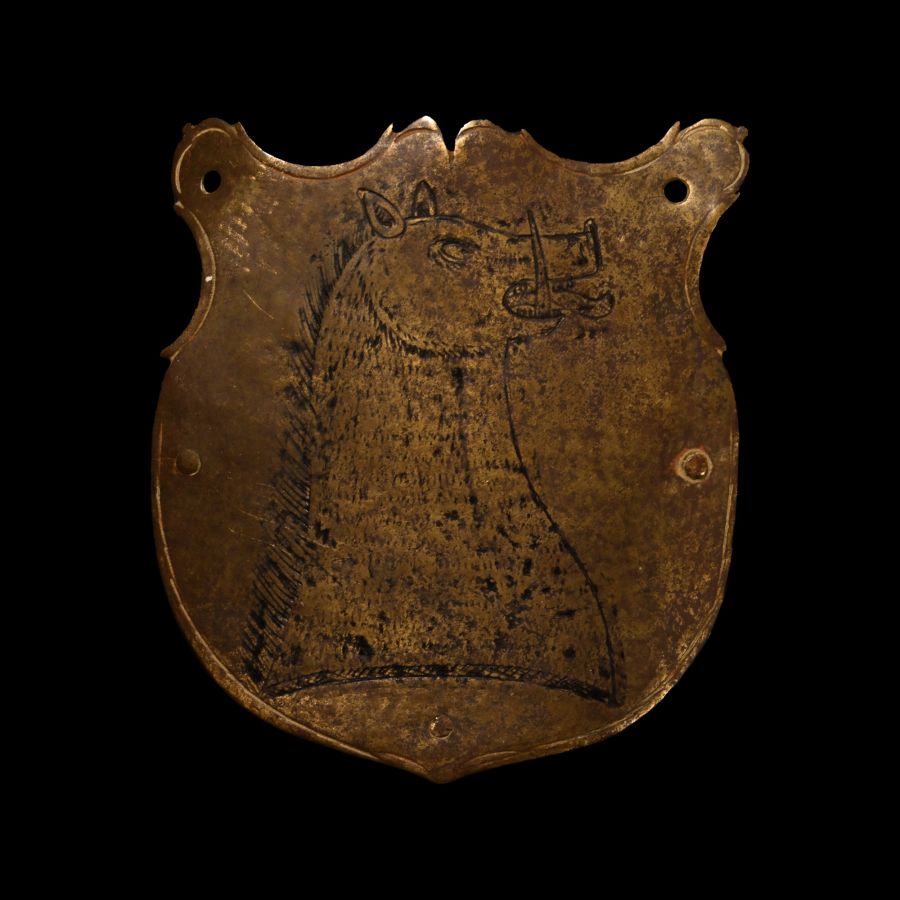
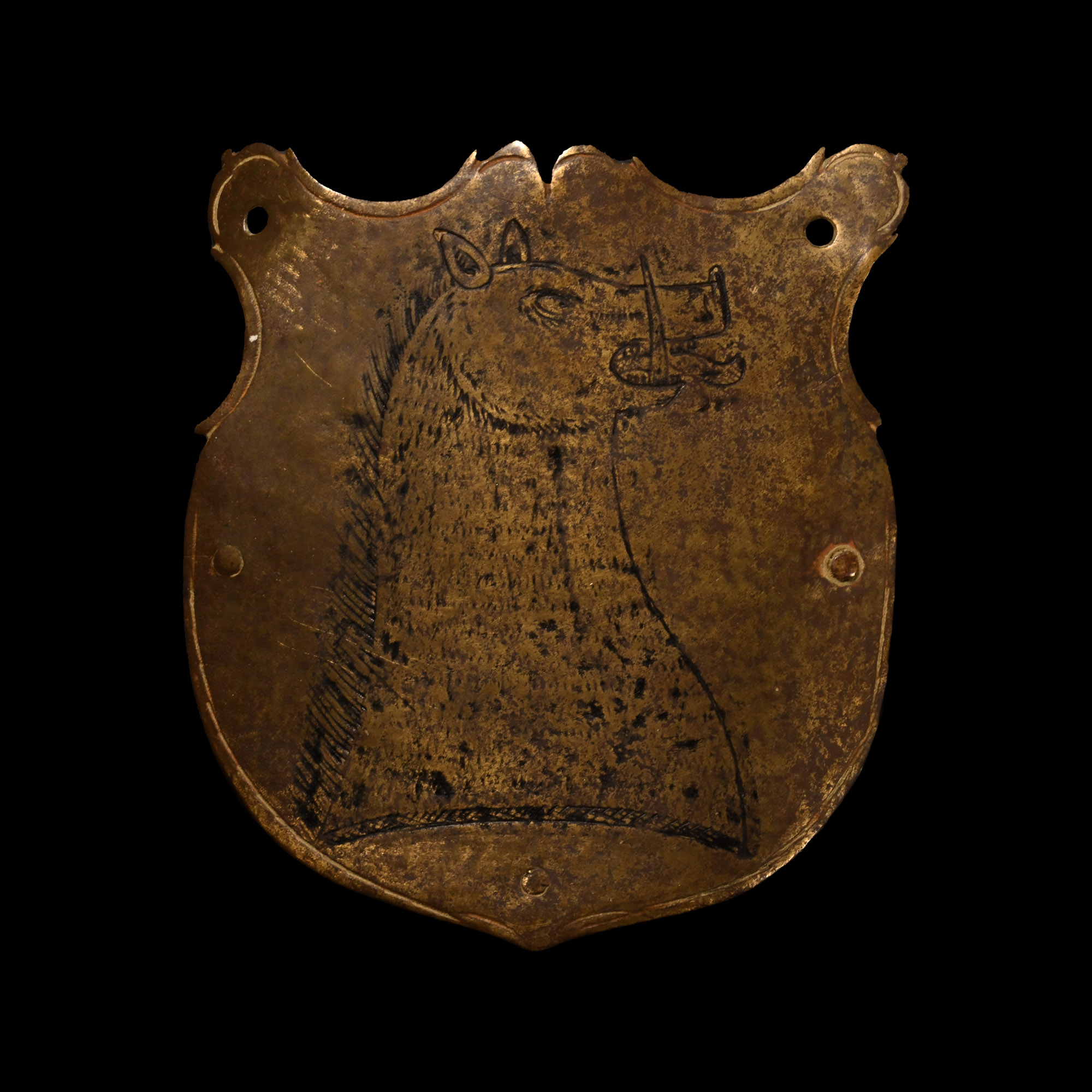
Post Medieval Bronze Hunting Badge with Boar's Head
17TH-18TH CENTURY A.D.
2 3/4 in. (22 grams, 70 mm high).
Of slightly curved profile, heater-shaped with waisting and scrolled upper edge; low-relief boar's head motif; holes to upper corners and three fixing studs to the reverse. [No Reserve]
ProvenanceFrom the collection of the famous author, writer and speaker, Gordon Bailey, Essex, UK; formed since 1968.
PublishedBailey, G., Detector Finds 5, Witham, 2002, p.5.
CONDITIONTimeLine Auctions follows a vetting process to ensure the authenticity and legality of all items, reinforcing our commitment to integrity and responsible trading. Each antiquity, antique, and coin lot undergoes thorough examination by a vetting committee of at least ten external specialists, professional trade association members, scientists, and archaeologists: Our Vetting Process
AUCTIONS:
TimeLine is a leading auction house specialising in antiquities, ancient art, collectables, natural history, coins, medals, and books. Our auctions offer museums, collectors, historians, and enthusiasts the opportunity to acquire unique and historically significant pieces.
-
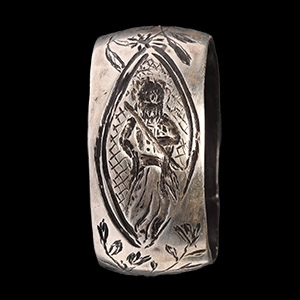
Georgian Iconographic 'Love and Enjoy' Silver Posy Ring
Circa 18th century A.D.Sold for (Inc. bp): £468
Barrel-shaped with inscribed foliage, floral motifs and vesica panel with standing figure; inscribed 'AMER ET IEOIR' (translating to 'LOVE AND ENJOY'). 8.34 grams, 22.12 mm overall, 18.35 mm internal diameter (approximate size British Q, USA 8, Europe 17.49, Japan 16)
Private collection, Arundel, West Sussex, UK, 1975-late 1990s. -
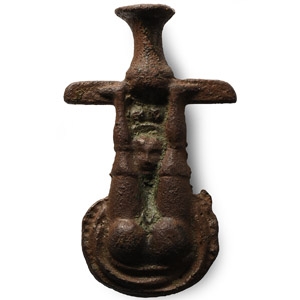
Georgian Erotic Pipe Tamper
19th century A.D.Sold for (Inc. bp): £78
Bifacial handle showing a woman bent down with her head between her legs, dress pulled up to her waist exposing her naked buttocks. 75 grams, 66 mm
From an old private collection of Norfolk, UK, gentleman, formed since 1998. -
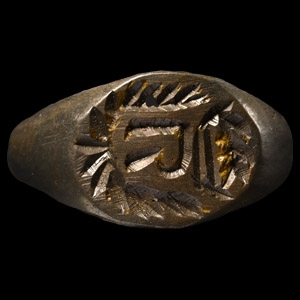
Post Medieval Bronze Ring with Crowned R
Circa 17th century A.D.Sold for (Inc. bp): £72
With a keeled hoop, oval bezel with intaglio motif of a crowned R, wreath below. 2.74 grams, 21.48 mm overall, 19.08 mm internal diameter (approximate size British S 1/2, USA 9 1/4, Europe 20.63, Japan 19)
Private collection formed since the 1940s. UK art market. Property of an Essex, UK, gentleman.
