
Loading, please wait...
LOT 1813
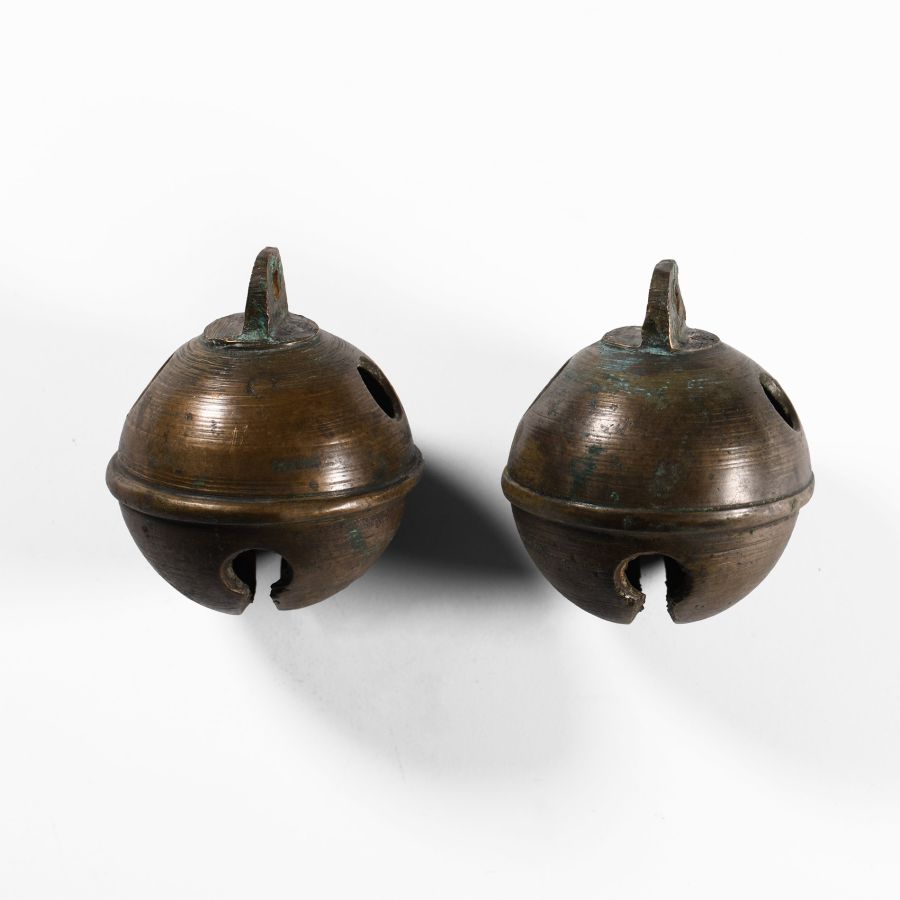
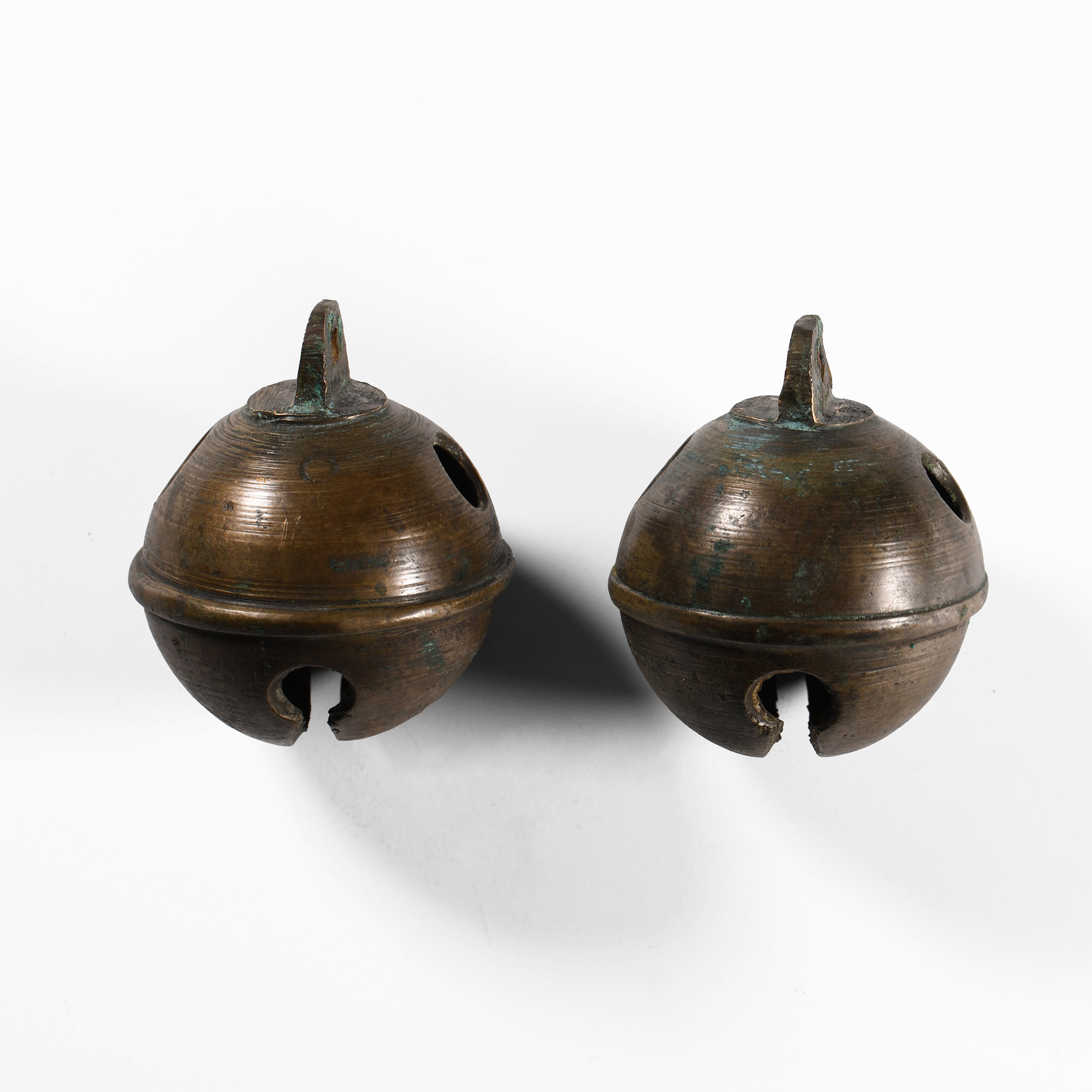
Post Medieval Bronze Crotal Bell Group
18TH-19TH CENTURY A.D.
1 5/8 in. (108 grams total, 42-43 mm).
With thick circumferential band to the equator, slot to underside and vents above. [2, No Reserve]
ProvenanceAcquired 2007.
Property of a Yorkshire, UK, collector.
TimeLine Auctions follows a vetting process to ensure the authenticity and legality of all items, reinforcing our commitment to integrity and responsible trading. Each antiquity, antique, and coin lot undergoes thorough examination by a vetting committee of at least ten external specialists, professional trade association members, scientists, and archaeologists: Our Vetting Process
AUCTIONS:
TimeLine is a leading auction house specialising in antiquities, ancient art, collectables, natural history, coins, medals, and books. Our auctions offer museums, collectors, historians, and enthusiasts the opportunity to acquire unique and historically significant pieces.
-
.jpg)
Framed Watercolour Painting
India, 20th century A.D.Sold for (Inc. bp): £39
Showing two figures standing in a courtyard, the woman with her head covered, pointing towards the hills beyond, gold-coloured embellishments to their clothes, border around the whole, Indian workmanship; set in a glazed wooden frame. 370 grams, 25.5 x 19.5 cm
Very fine condition.
Acquired on the UK art market, 1980s-1990s. The Woodbridge collection of Indo-Persian art. -
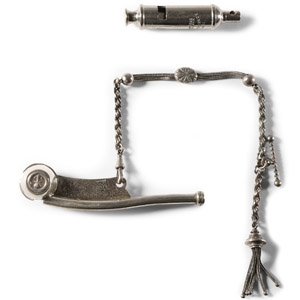
Post Medieval Silver Acme Scout and Bosun's Whistle
19th-20th century A.D.Sold for (Inc. bp): £42
Bosun's whistle with chain and crossbar, Scout's whistle with stamped maker's mark. 48 grams total, 6.5-28 cm
From an Essex, UK, collection. Ex property of an Essex gentleman. From the private collection of a Surrey, UK, gentleman. -
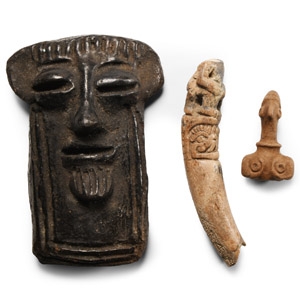
Idol Group
20th century A.DSold for (Inc. bp): £7
Comprising: a rectangular panel with applied facial features; a carved antler fragment with seated figure; a stylised human bust with spiral to the underside. 109 grams total, 35-89 mm
Acquired from Drout, Paris, in the 1990s. Ex Paris collection.
