
Loading, please wait...

LOT 2197
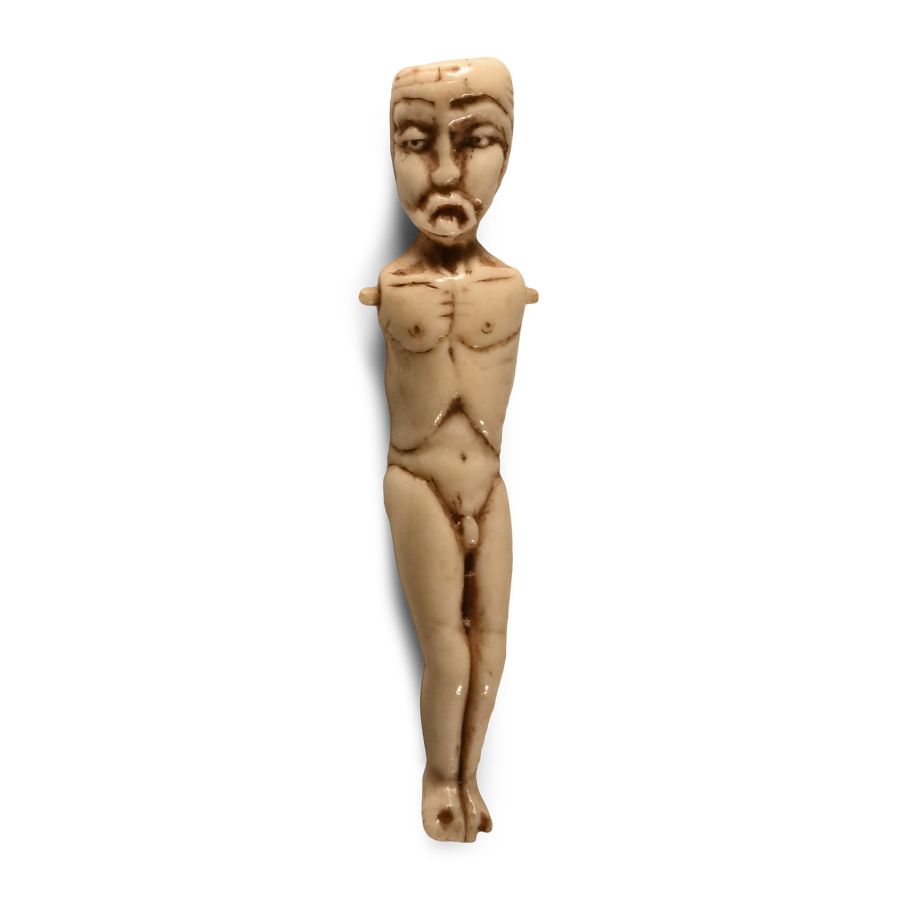
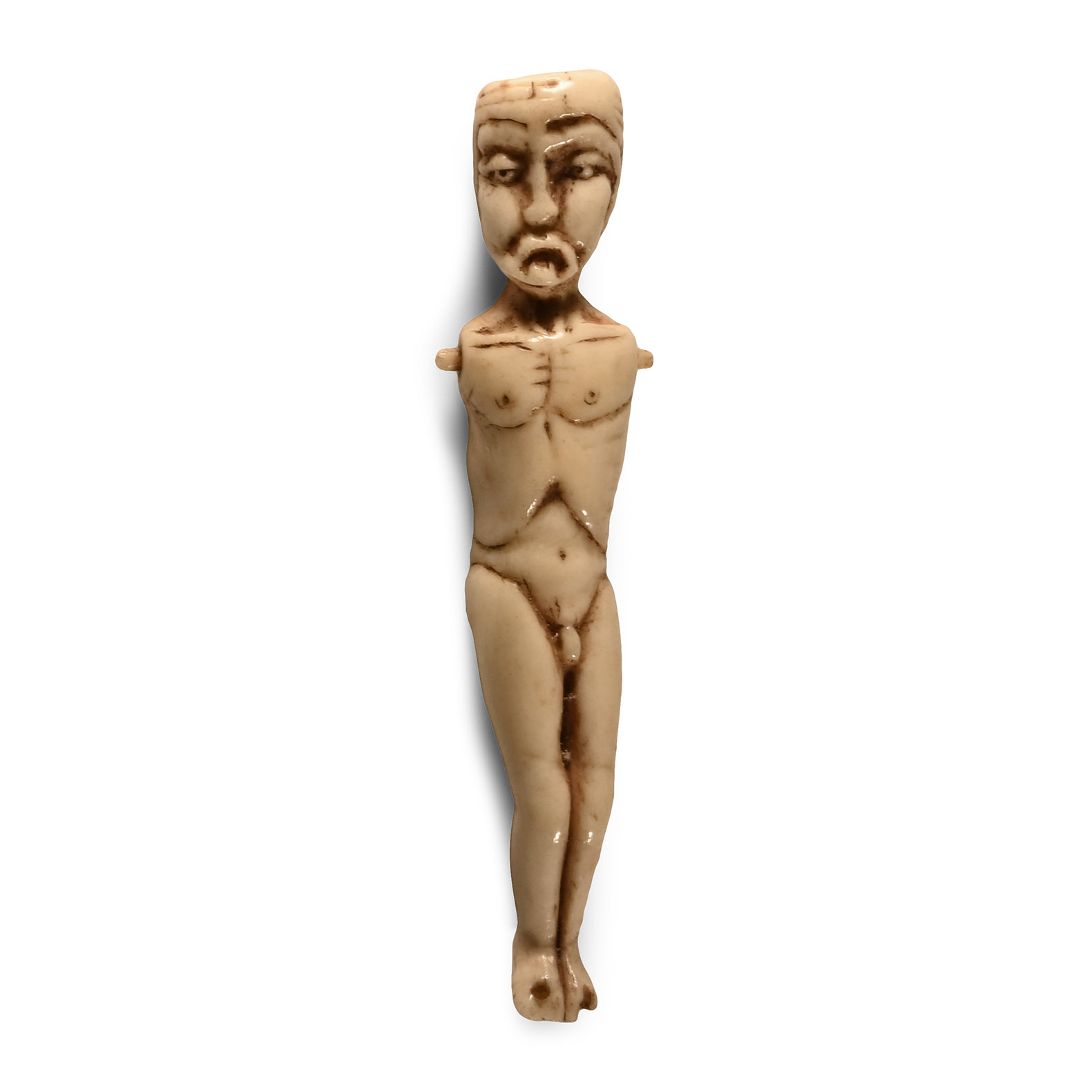
Post Medieval Bone Figure of Christ
18TH CENTURY A.D.
3 5/8 in. (18 grams, 93 mm).
Corpus Christi carved in the round with exaggerated head, spigots for posable arms, holes to the feet. [No Reserve]
ProvenanceFrom a collection acquired on the UK art market from various auction houses and collections mostly before 2000.
From an important Cambridgeshire estate; thence by descent.
TimeLine Auctions follows a vetting process to ensure the authenticity and legality of all items, reinforcing our commitment to integrity and responsible trading. Each antiquity, antique, and coin lot undergoes thorough examination by a vetting committee of at least ten external specialists, professional trade association members, scientists, and archaeologists: Our Vetting Process
AUCTIONS:
TimeLine is a leading auction house specialising in antiquities, ancient art, collectables, natural history, coins, medals, and books. Our auctions offer museums, collectors, historians, and enthusiasts the opportunity to acquire unique and historically significant pieces.
-
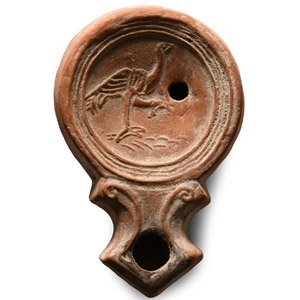
Roman Style Terracotta Oil Lamp
20th century A.D.Sold for (Inc. bp): £20
With broad discus, scallop nozzle, low-relief wading bird image; after the antique. 56 grams, 89 mm
Acquired on the UK art market. Property of a North London, UK, gentleman. -
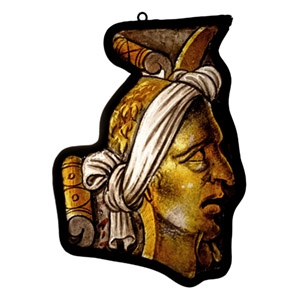
Renaissance Stained Glass Panel of a Grotesque Head in Profile
Northern France, probably Champagne, circa 1540 A.D.Sold for (Inc. bp): £143
Figural panel with profile head wearing a draped fabric covering knotted at the rear, the eyes cast upwards and mouth agape, with wispy facial hair; scrolled arm from a piece of furniture and other items in the field; lead cames with loop to the upper edge. 124 grams, 16.7 cm
UK trade, 2018. Ex central London gallery. -
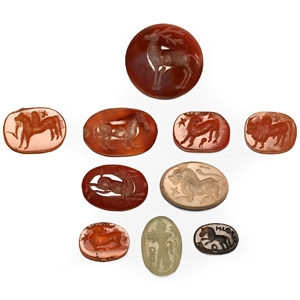
Gemstone Collection
20th century AD.Sold for (Inc. bp): £85
Mainly flat and plano-convex carnelian inserts with low-relief beast images. 26 grams total, 15-26 mm
Acquired on the UK art market. Property of a North London, UK, gentleman.
