
Loading, please wait...
LOT 1931
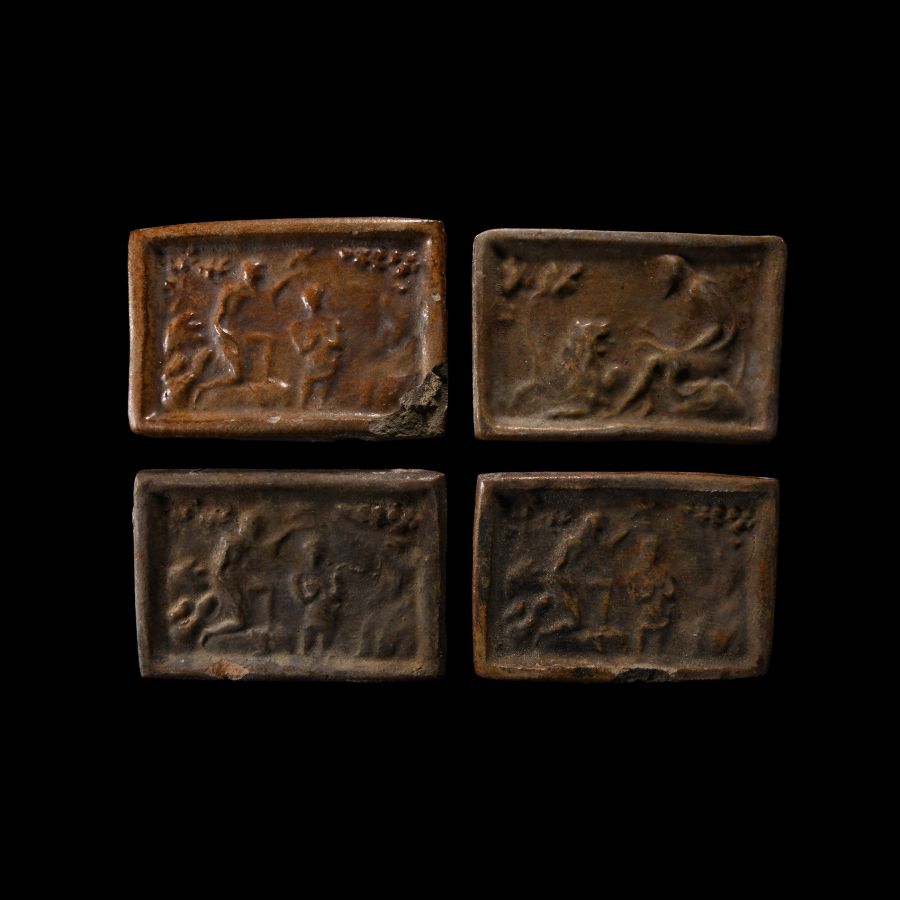
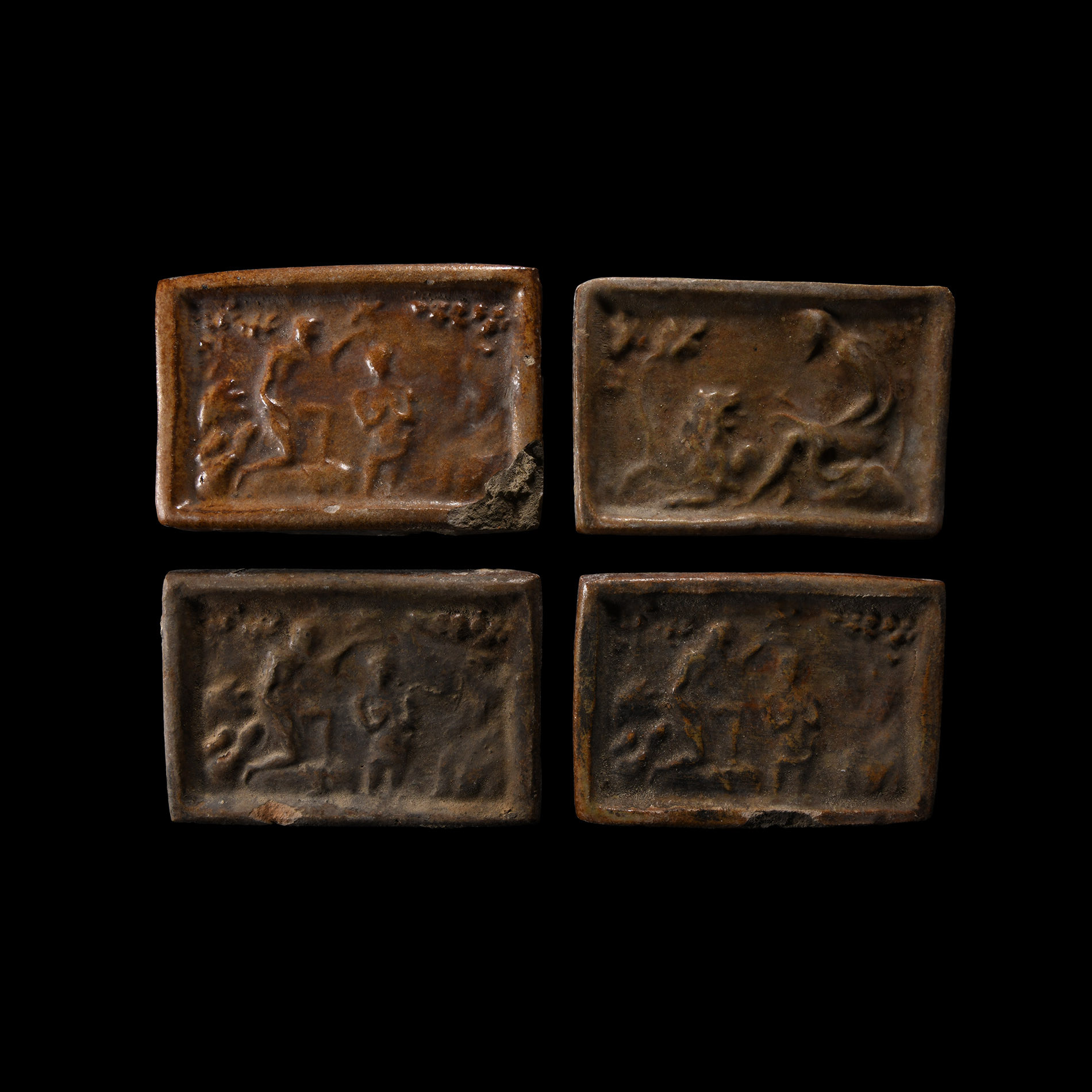
Post Medieval Biblical Ceramic Tile Group
16TH-17TH CENTURY A.D.
5 1/8 X 3 1/2 in. (1.7 kg total, 13 x 9 cm each).
Displaying biblical scenes in relief, including three with the same design; remains of coloured glazes. [4, No Reserve]
ProvenanceAcquired 1990s-early 2000s.
East Anglian private collection.
TimeLine Auctions follows a vetting process to ensure the authenticity and legality of all items, reinforcing our commitment to integrity and responsible trading. Each antiquity, antique, and coin lot undergoes thorough examination by a vetting committee of at least ten external specialists, professional trade association members, scientists, and archaeologists: Our Vetting Process
AUCTIONS:
TimeLine is a leading auction house specialising in antiquities, ancient art, collectables, natural history, coins, medals, and books. Our auctions offer museums, collectors, historians, and enthusiasts the opportunity to acquire unique and historically significant pieces.
-
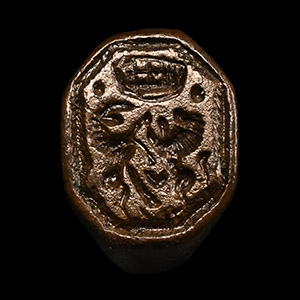
Tudor Period Bronze Armorial Ring with Crowned Lion and Unicorn
16th-17th century A.D.Sold for (Inc. bp): £234
The hoop with convex outer face, expanding at the shoulders to an octagonal bezel bearing incuse design. 11.41 grams, 24.13 mm overall, 19.50 mm internal diameter (approximate size British S, USA 9, Europe 20, Japan 19)
London art market before 2000. Property of an Essex gentleman. -
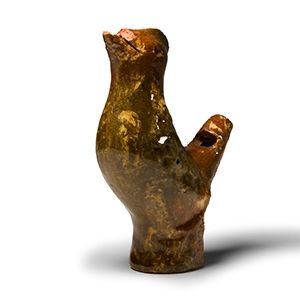
Post Medieval Glazed Ceramic Bird Whistle
18th century A.D.Sold for (Inc. bp): £26
Possibly in the form of a hen or other bird with crest, with feather detailing; chip to beak. 80 grams, 95 mm
Acquired 1960s-1990s. Late Alison Barker collection, a retired London barrister. -
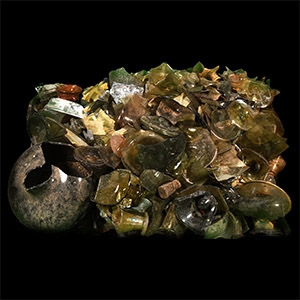
Post Medieval Glass Fragment Group
17th-18th century A.D.Estimate: £50 - 70 (+bp*)
Opening Bid: £5
Comprising fragments from the neck, body and feet of various vessel types; including opaque and transparent glass of various colours; illustrating various glass-making techniques including mould-blown, wheel-cut, applied and possibly others; some iridescent surfaces. 8.6 kg total, 1.5-18 cm
Acquired 1990s-early 2000s. East Anglian private collection.
