
Loading, please wait...
LOT 1888
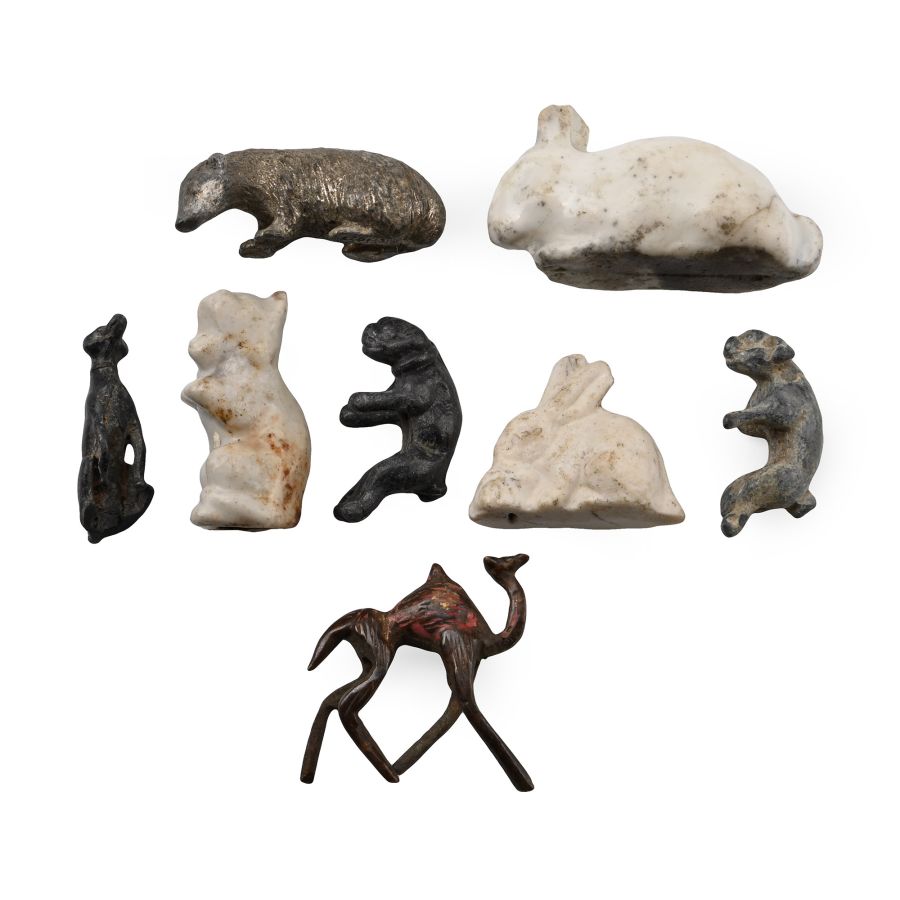
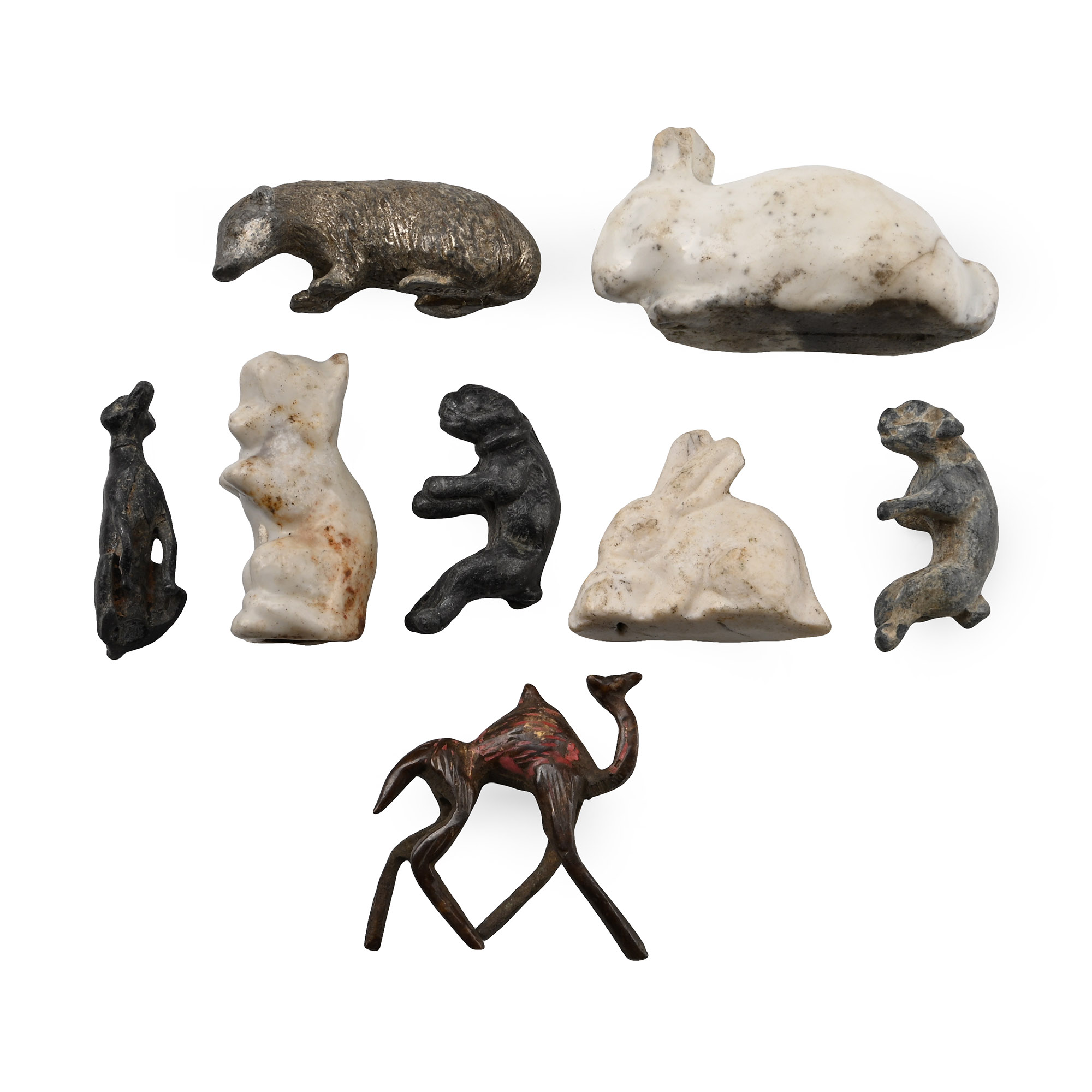
Post Medieval Animal Figure Collection
19TH-20TH CENTURY A.D.
1 - 1 3/4 in. (109 grams total, 27-45 mm).
A mixed group of animal figures of various materials, including rabbits, dogs, a camel, and a badger. [8, No Reserve]
ProvenanceFrom Tyne and Wear, UK.
CONDITIONTimeLine Auctions follows a vetting process to ensure the authenticity and legality of all items, reinforcing our commitment to integrity and responsible trading. Each antiquity, antique, and coin lot undergoes thorough examination by a vetting committee of at least ten external specialists, professional trade association members, scientists, and archaeologists: Our Vetting Process
AUCTIONS:
TimeLine is a leading auction house specialising in antiquities, ancient art, collectables, natural history, coins, medals, and books. Our auctions offer museums, collectors, historians, and enthusiasts the opportunity to acquire unique and historically significant pieces.
-
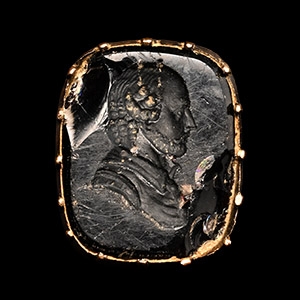
George III Gold Fob Seal Base with Portrait Intaglio
1727-1760 A.D.Sold for (Inc. bp): £104
Rectangular cell with claw setting, fluted panels to underside; inset intaglio portrait bust of a bearded gentleman with fashionable silk collar and gorget. 3.67 grams, 16.3 mm
Found Clanfield, Petersfield, East Hampshire, UK, on 5th August 2017. -
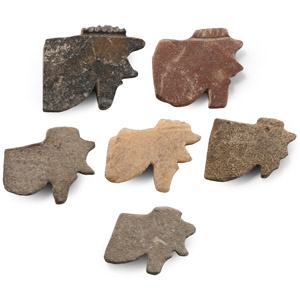
Egyptian Style Stone Wedjat Eye Amulet Collection
20th century A.D.Sold for (Inc. bp): £20
Amuletic plaques in various materials, each in the form of the wedjat Eye of Horus. 14.9 grams total, 21-25 mm
with Archaeologia, Switzerland, before 1983. Ex private North American collection. London private collection, 2016. -
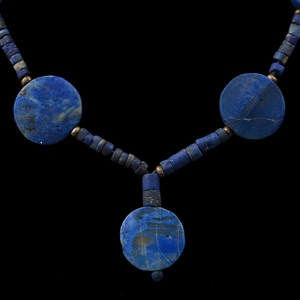
Lapis Lazuli Bead Necklace String
20th century A.D.Sold for (Inc. bp): £13
Restrung group of tabular, oblate and other types. 41 grams, 37 cm
London, UK, collection, 2000s.
