Loading, please wait...

Post Classical Gilt Silver Handle with Lion and Mask Post Classical Gilt Silver Handle with Lion and Mask Post Classical Gilt Silver Handle with Lion and Mask Post Classical Gilt Silver Handle with Lion and Mask Post Classical Gilt Silver Handle with Lion and Mask Post Classical Gilt Silver Handle with Lion and Mask Post Classical Gilt Silver Handle with Lion and Mask Post Classical Gilt Silver Handle with Lion and Mask Post Classical Gilt Silver Handle with Lion and Mask Post Classical Gilt Silver Handle with Lion and Mask Post Classical Gilt Silver Handle with Lion and Mask Post Classical Gilt Silver Handle with Lion and Mask
Use mousewheel to zoom in and out, click to enlarge
Details

LOT 1946

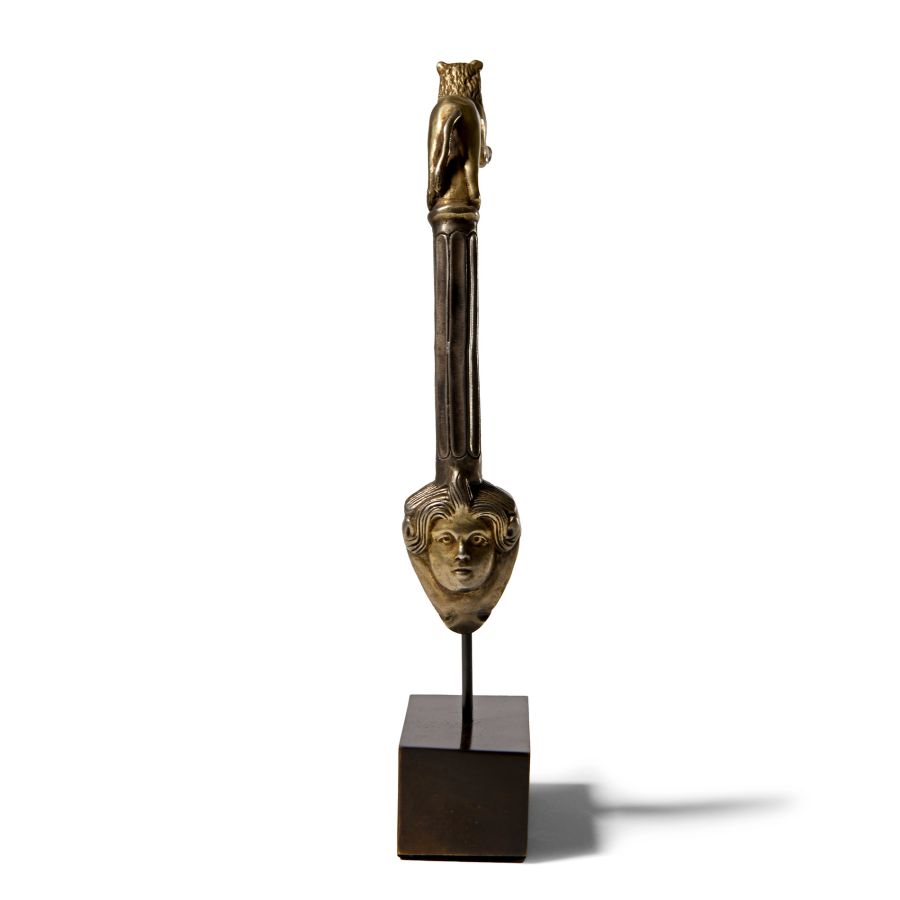
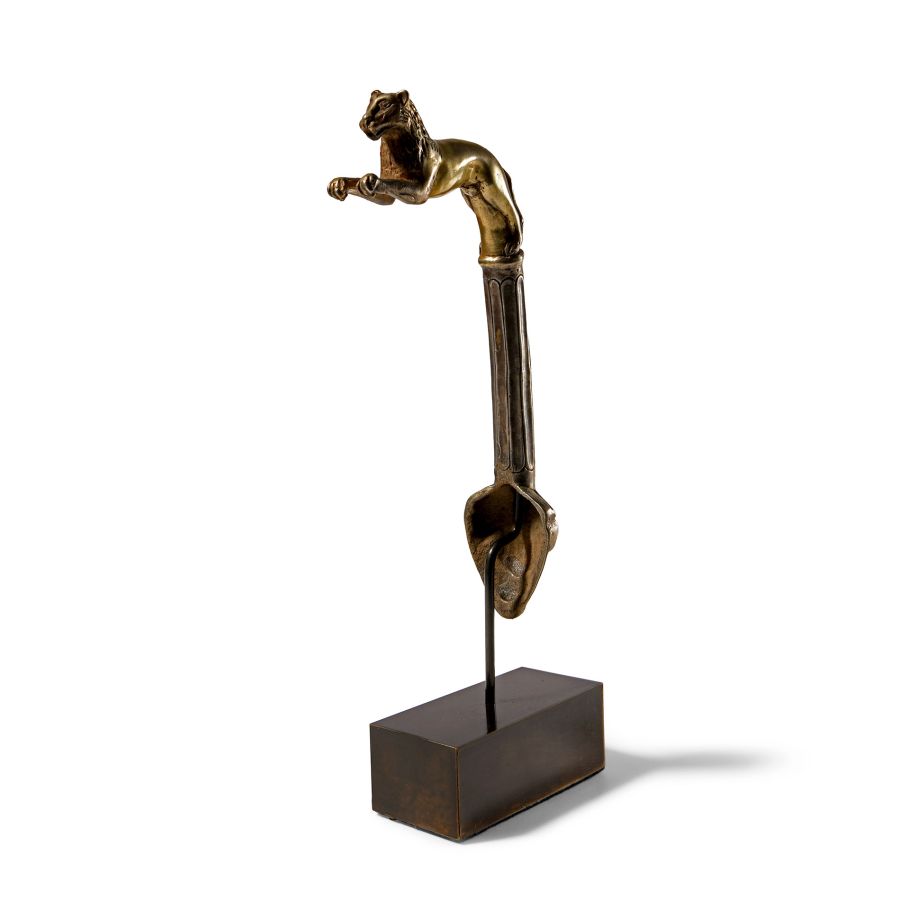
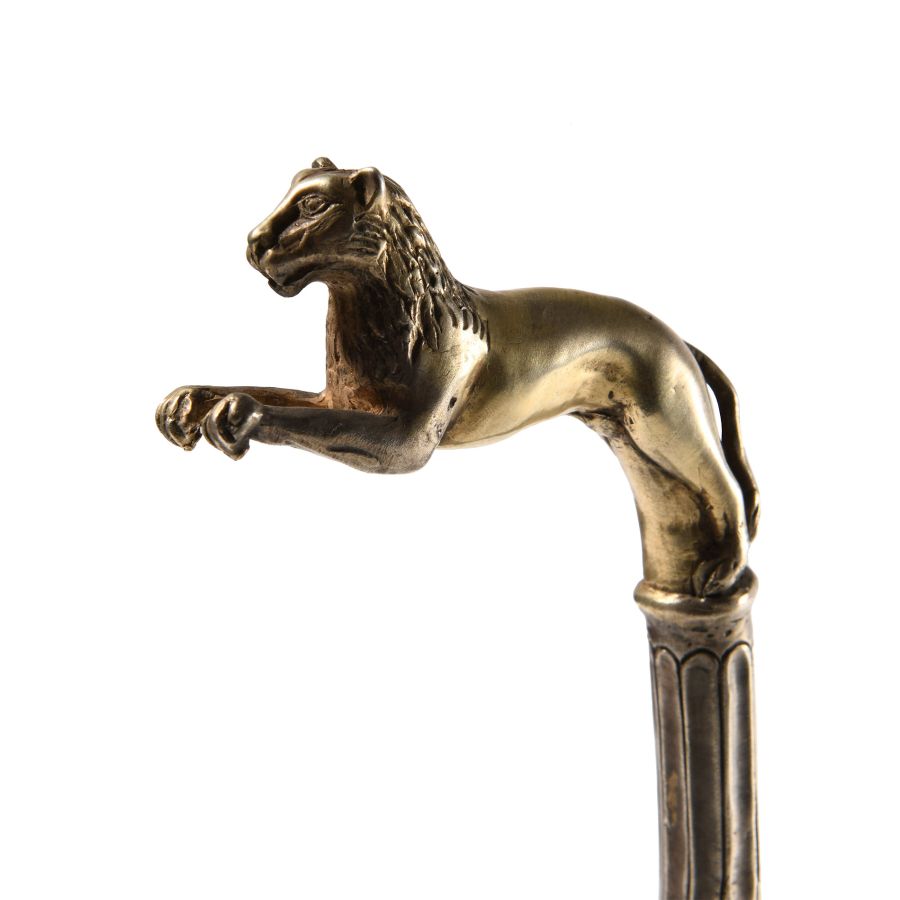
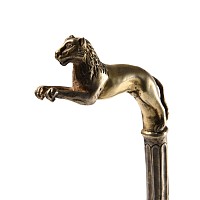
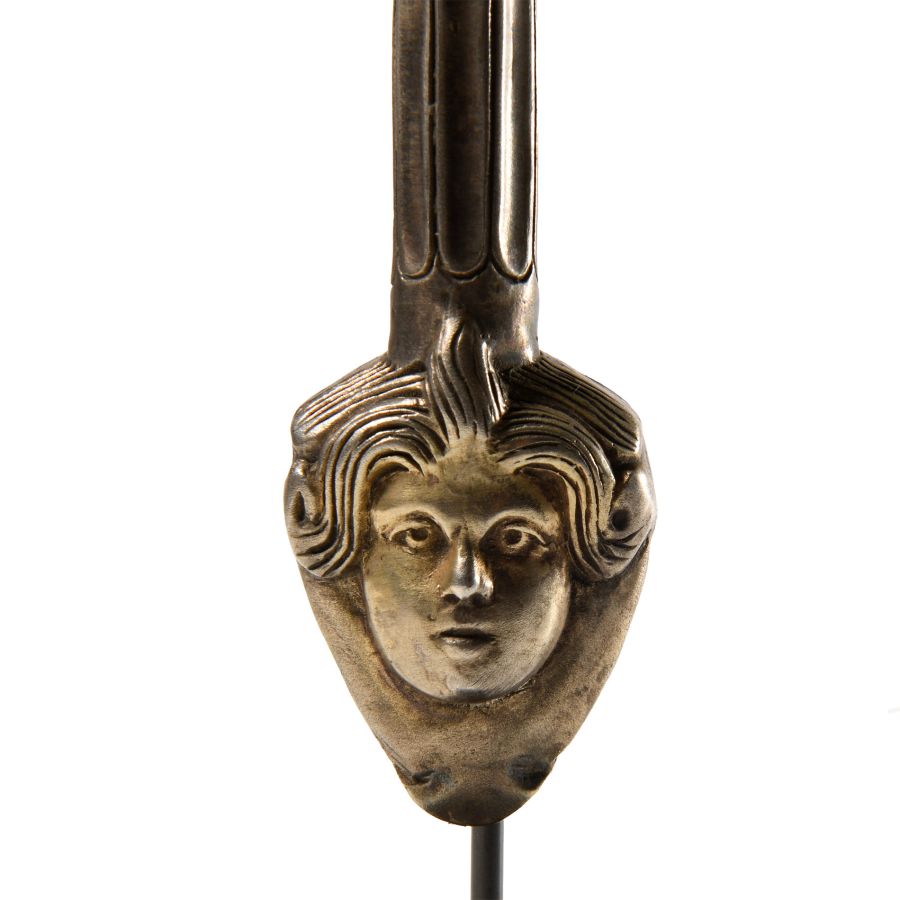
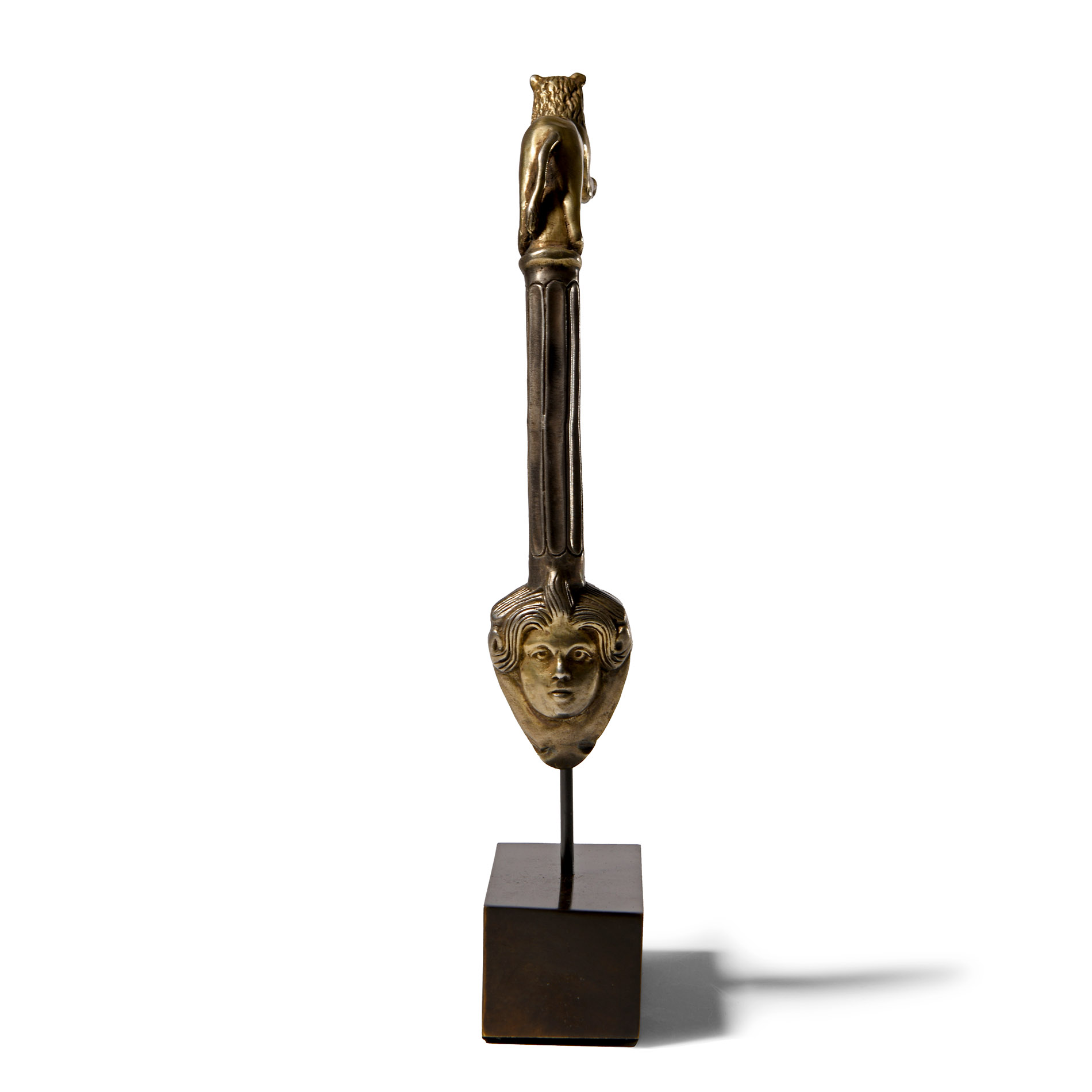
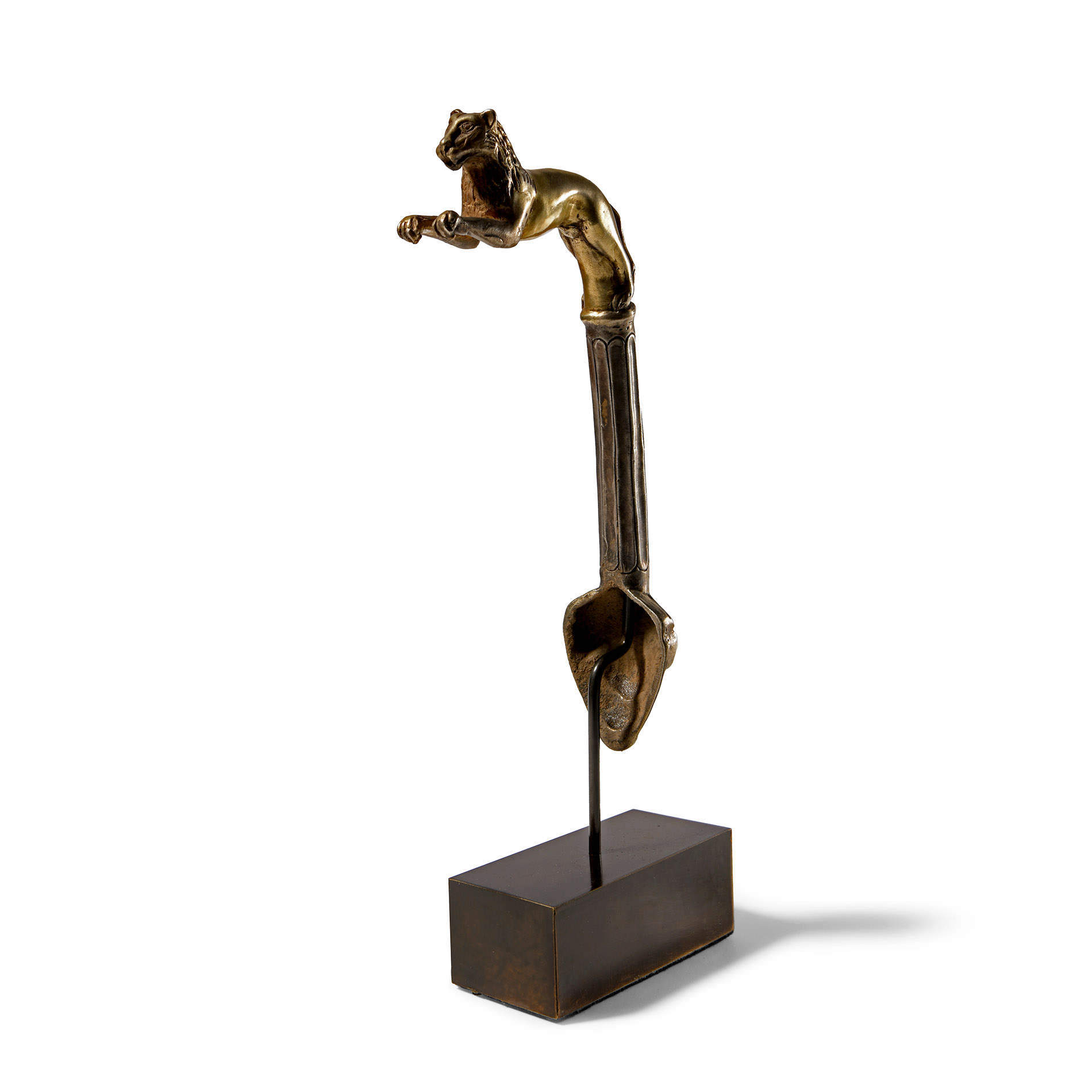
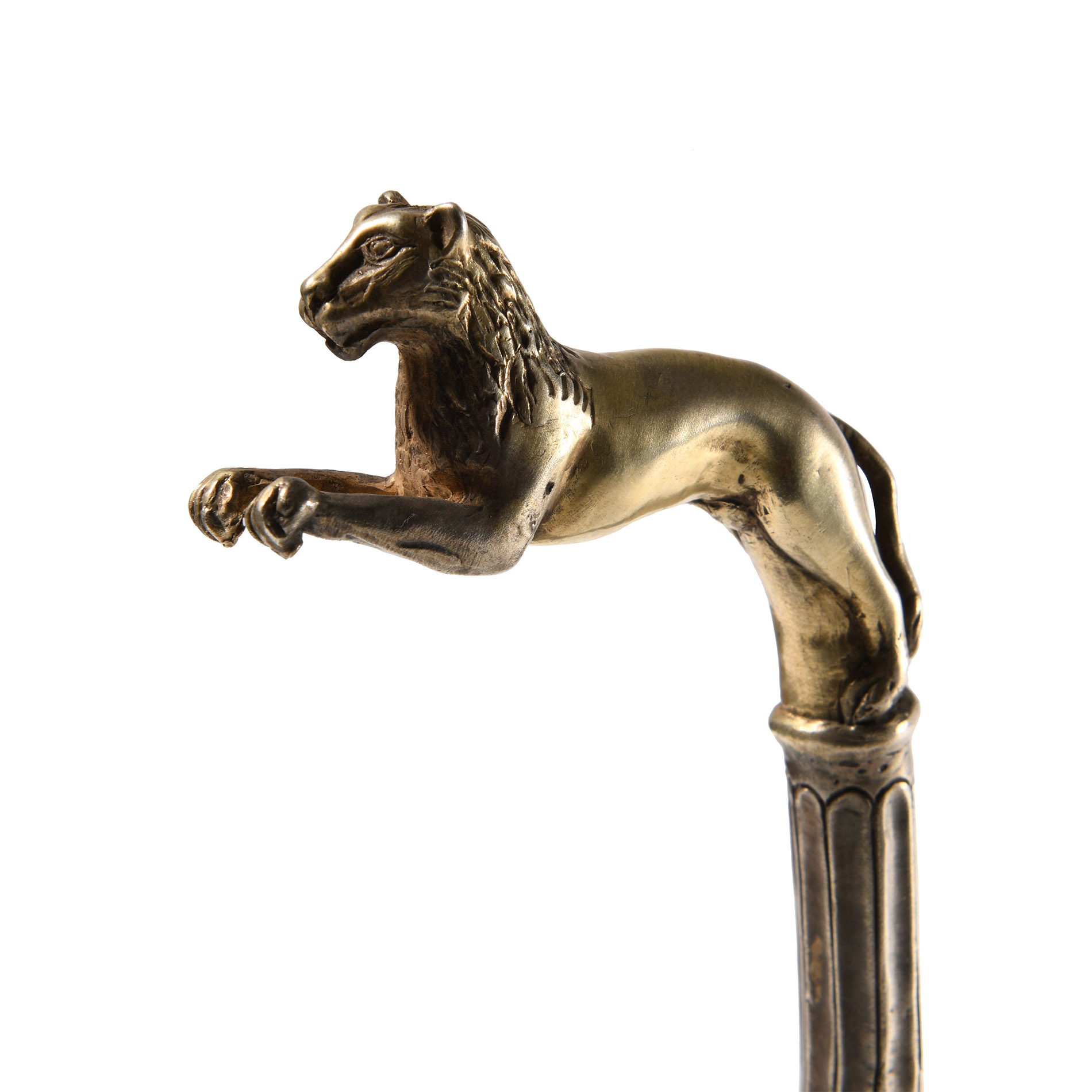
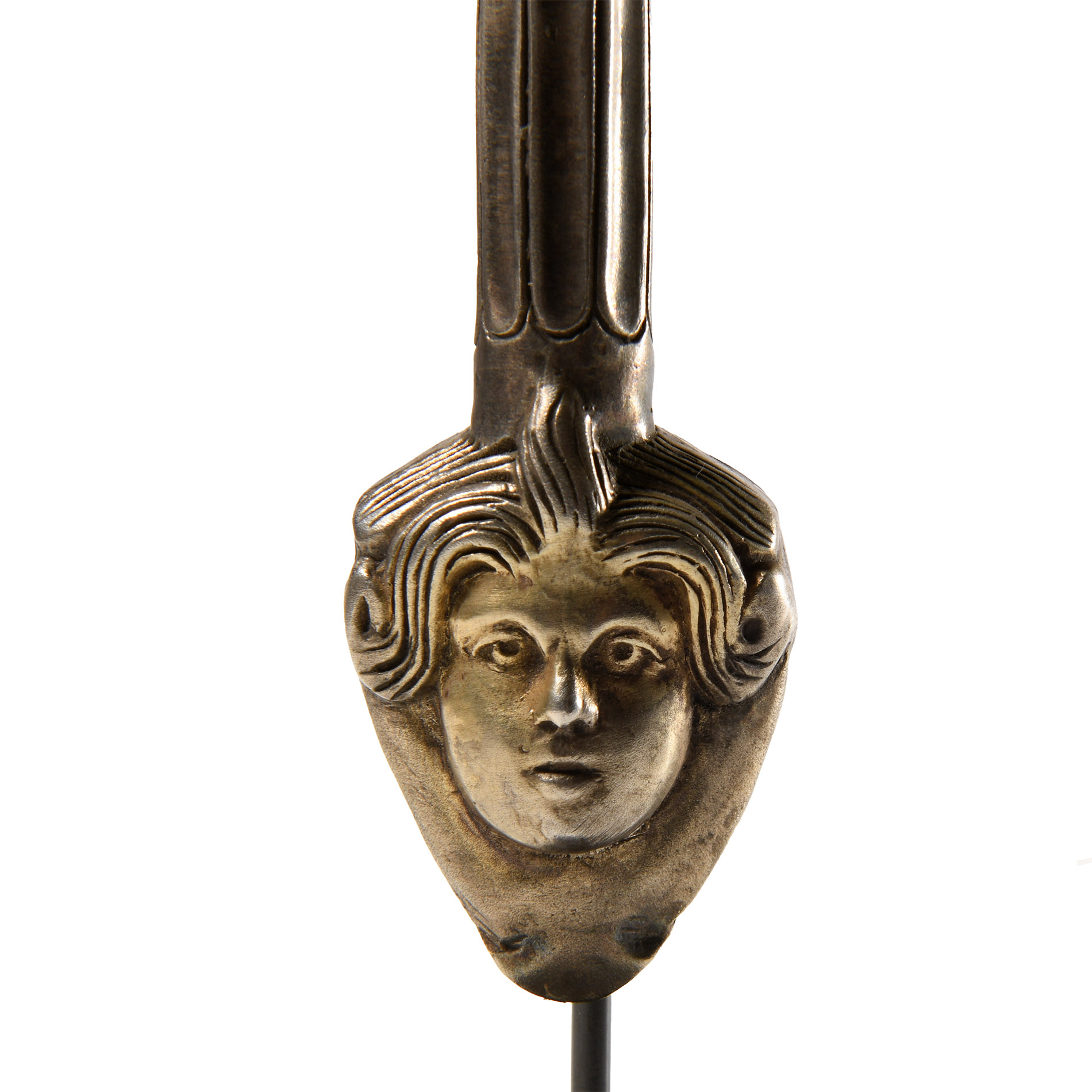
Post Classical Gilt Silver Handle with Lion and Mask

CIRCA 18TH CENTURY A.D.

6 3/4 in. (8 1/4 in.) (243 grams total, 17 cm high (21 cm high including stand)).

Of fluted columnar form with the upper part formed as a lion leaping forward with its forepaws resting on the rim of the vessel; ovoid attachment plate at the lower end with mask of Venus; mounted on a custom-made stand. [No Reserve]

Provenance

Acquired between 1980-1983.

CONDITION
VETTING:

TimeLine Auctions follows a vetting process to ensure the authenticity and legality of all items, reinforcing our commitment to integrity and responsible trading. Each antiquity, antique, and coin lot undergoes thorough examination by a vetting committee of at least ten external specialists, professional trade association members, scientists, and archaeologists: Our Vetting Process


AUCTIONS:

TimeLine is a leading auction house specialising in antiquities, ancient art, collectables, natural history, coins, medals, and books. Our auctions offer museums, collectors, historians, and enthusiasts the opportunity to acquire unique and historically significant pieces.

LOT 1946

Post Classical Gilt Silver Handle with Lion and Mask

Sold for (Inc. bp): £247

Print page

RELATED LOTS
  • Ethiopian Diptych Icon of the Crucifixion and Saints
    Ethiopian Diptych Icon of the Crucifixion and Saints
    Circa 1680 A.D.

    Sold for (Inc. bp): £390

    Carved rectangular diptych with pierced suspension bar above and braided thread hinges; obverse with ornate reserved cross on a field with concentric chip-carved borders; reverse with off-set quatrefoil in a square frame with concentric bands surrounding; hatched panels and saltires to the lateral edges; left inner panel a painted scene of the Crucifixion with Ge'ez script text surrounding; right panel with three nimbate figures. 98 grams, 8.4 x 10.2 cm


    Ex Henry Brownrigg, 1999.

    Lot Details

  • Stone Pendant Group with Rubies
    Stone Pendant Group with Rubies
    20th century A.D.

    Sold for (Inc. bp): £1,950

    Group of four pelta-shaped stone plaques each with a rectangular lug at centre-top pierced for suspension; floral and other designs with applied wire detailing, cabochon rubies and other inserts. 120 grams total, 62-76 mm


    Property of a South West London gentleman.

    Lot Details

  • Renaissance Gold Ring with Reused Ancient Roman Gemstone
    Renaissance Gold Ring with Reused Ancient Roman Gemstone
    16th-17th century A.D. and earlier

    Sold for (Inc. bp): £7,800

    The ring with slender hoop, slightly expanding shoulders modelled as open lotus flowers supporting the rounded bezel, the flower motif repeated beneath the bezel; the bezel with raised rim and inset with a Roman 2nd century A.D. green jasper intaglio engraved with an ant motif. 4.32 grams, 22.07 mm overall, 18.35 mm internal diameter (approximate size British O, USA 7, Europe 14.98, Japan 14)

    Excellent condition, rare.

    From the private collection of the late A.B., London, UK; acquired before 1989. Accompanied by an academic report by Dr Raffaele D’Amato. This lot has been checked against the Interpol Database of stolen works of art and is accompanied by search certificate number no.12009-213037.

    The style and technique of the ring seem to be German or Central European and date to the late 16th or early 17th centuries. The iconography of the intaglio was directly linked with one of the attributes of the Roman goddess Ceres and consecrated to the cult of Juno Lanuvina (a symbol of fertility, industry and richness), patron of grain and fertility.

    Lot Details

Stay up-to-date with the latest from TimeLine Auctions by joining our mailing list