
Loading, please wait...
LOT 2271
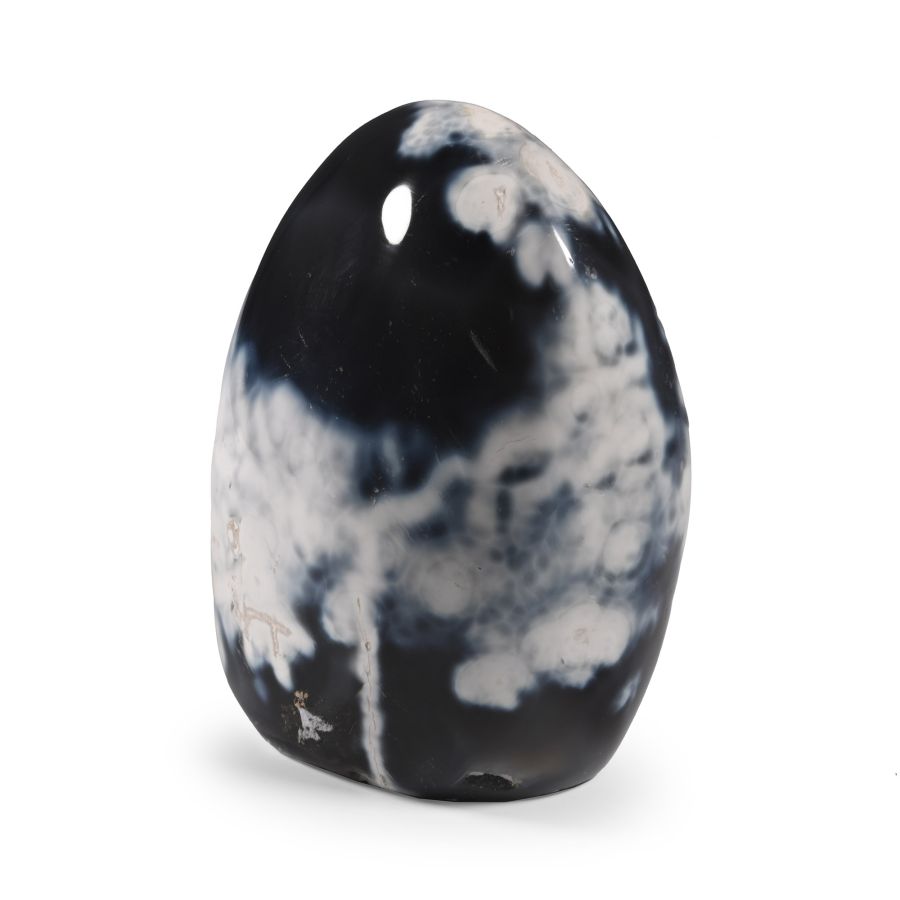
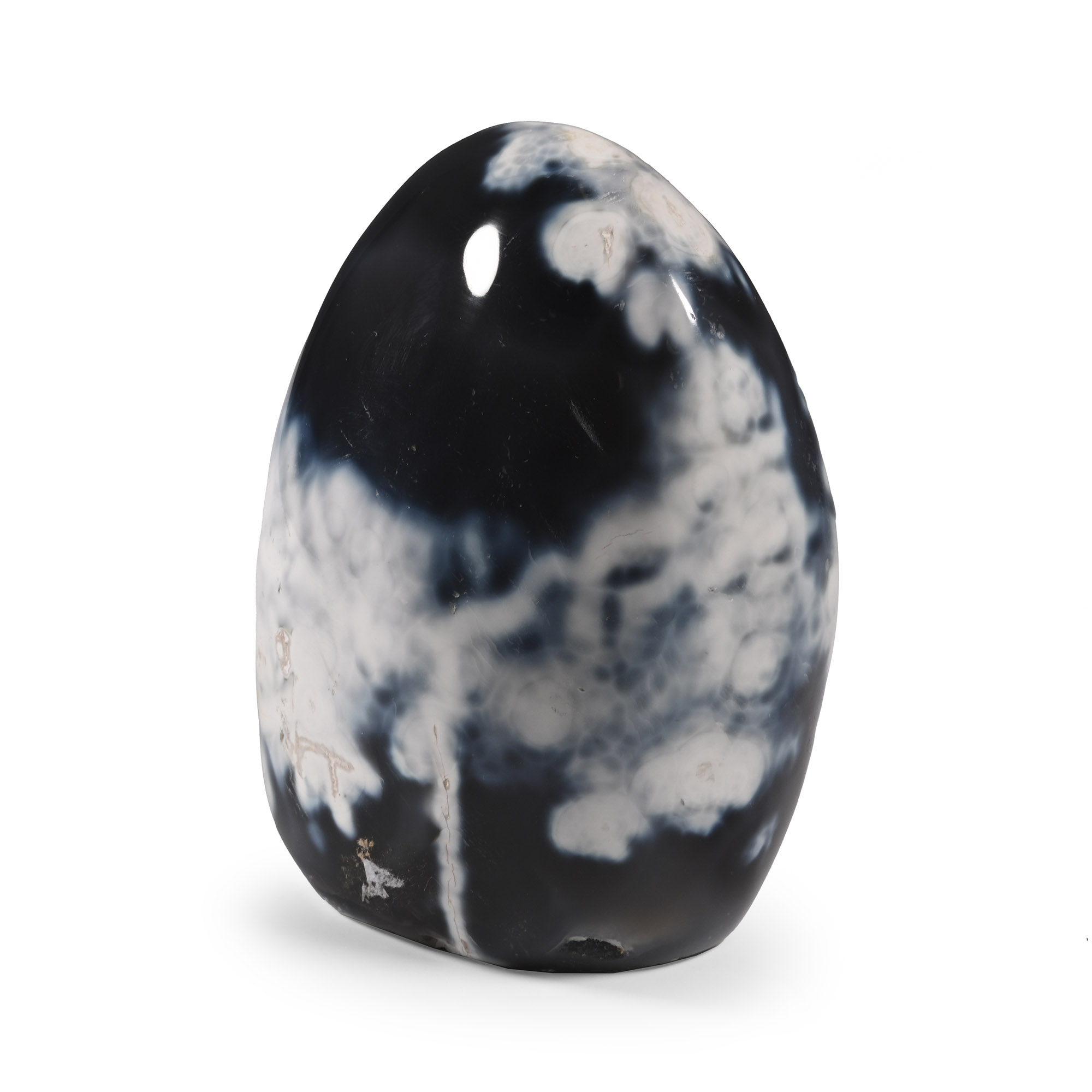
Polished 'Orca' Agate Display Pillar
4 in. (932 grams, 10.1 cm).
A freestanding display, polished to enhance the mimicking patterns and colours of an orca. [No Reserve]
ProvenanceFrom a Cambridgeshire, UK, collection.
CONDITIONTimeLine Auctions follows a vetting process to ensure the authenticity and legality of all items, reinforcing our commitment to integrity and responsible trading. Each antiquity, antique, and coin lot undergoes thorough examination by a vetting committee of at least ten external specialists, professional trade association members, scientists, and archaeologists: Our Vetting Process
AUCTIONS:
TimeLine is a leading auction house specialising in antiquities, ancient art, collectables, natural history, coins, medals, and books. Our auctions offer museums, collectors, historians, and enthusiasts the opportunity to acquire unique and historically significant pieces.
-
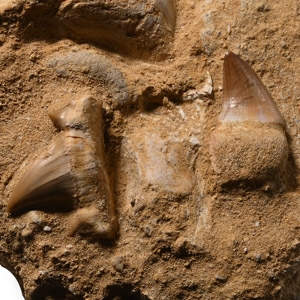
Fossil Mosasaur 'Marine Dinosaur' and Otodus Teeth with on Composite Rock
Cretaceous Period, 145-65 million years B.P.Sold for (Inc. bp): £7
An irregular sandstone matrix set with a Mosasaur prognathodon sp. and an Otodus obliquus sp. teeth and other fossils. 301 grams, 10 cm
From Morocco, North Africa. From a Cambridgeshire, UK, collection.
The Mosasaur is an extinct, large marine reptile dinosaur with an elongated body, long snout and paddle-like limbs. Found worldwide, they competed with other well-known sea predators of the Late Cretaceous, such as plesiosaurs and ichthyosaurs, for food, existing primarily on a diet of ammonoids, cuttlefish and fish. -
.jpg)
Madagascan Giant Monkey Ladder Sea Bean
Sold for (Inc. bp): £130
A very large Entada gigas or sea bean pod, containing nine separate sea bean segments; rare. 419 grams, 79 cm
Fine condition. Rare.
From Madagascar. Ex private Shropshire, UK collection.
Entada gigas, the ‘sea bean’ or ‘monkey ladder vine’ is a flowering liana in the Fabaceae pea family. The plant has the longest seed pods in the family, as well as the largest seeds, which can float for miles along sea currents, being washed up on beaches around the world. The seed pod segments snap off, dropping into the river below. The pod segment will quickly rot, revealing the seed or ‘sea bean’ inside. The seed contains a sealed pocket of air, which enables it to float. It can survive for up to two years at sea, and actually requires prolonged exposure to water in order to germinate. Some of these seeds will find their way into the major sea currents, such as the Gulf Stream, and end up washed up on coasts around the world. -
.jpg)
Woolly Rhinoceros Fossil Vertebra
Pleistocene Period, circa 2.6 million-11,700 years B.P.Sold for (Inc. bp): £130
With neural arch, from the woolly rhinoceros Coelodonta antiquitatis. 305 grams, 11.8 cm
Fine condition.
From Brown Bank, Dogger beds, Lowestoft, Suffolk, UK. Collected between 1930 and 1960. From the collection of the palaeontologist R Gledhill.
