
Loading, please wait...
LOT 0451
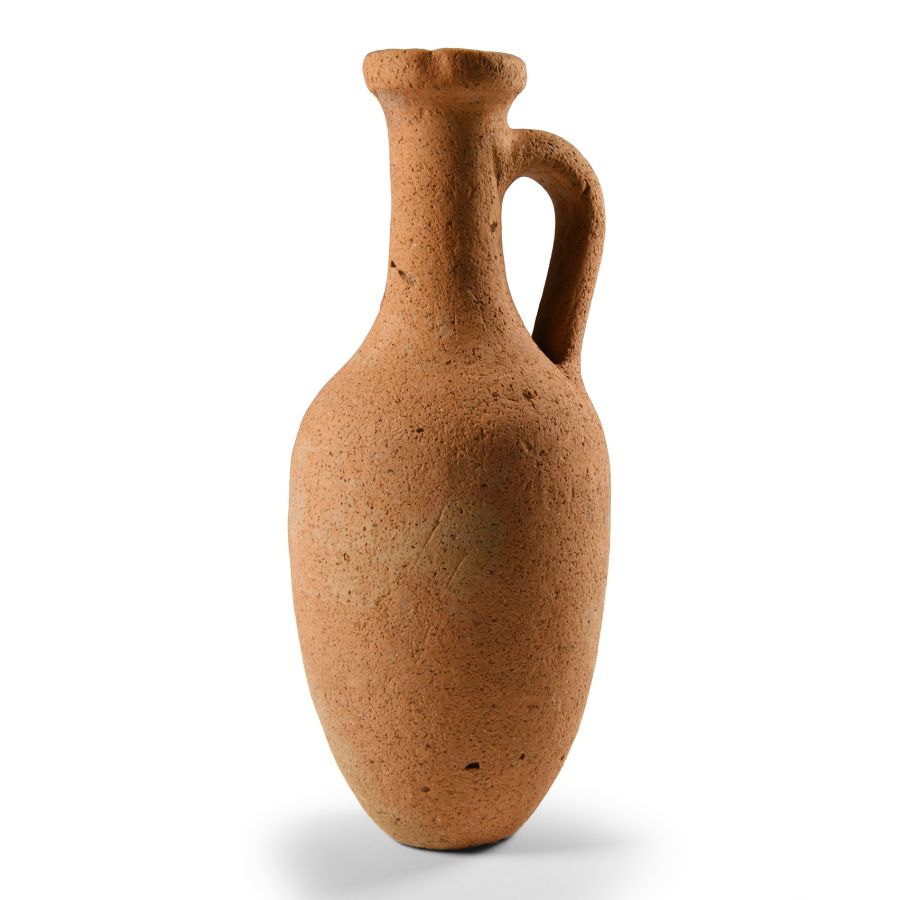
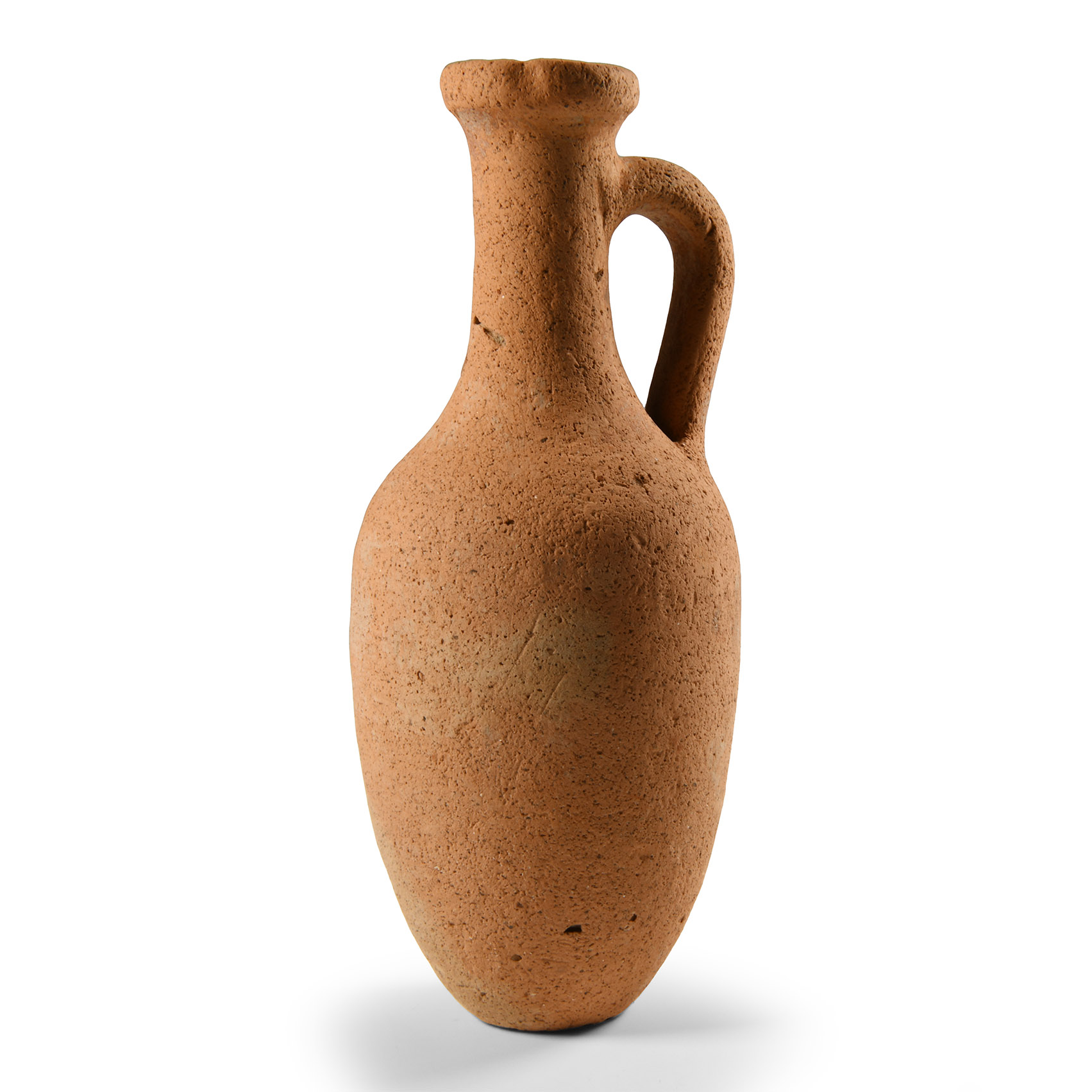
Phoenician Terracotta Jug
1ST MILLENNIUM B.C.
5 1/8 in. (249 grams, 15 cm).
Ovoid body with narrow base, tall columnar neck and flared mouth. single strap handle to the shoulder. [No Reserve]
ProvenanceFrom the H.N. collection, Milton Keynes, Berkshire, UK, 1990s.
CONDITIONTimeLine Auctions follows a vetting process to ensure the authenticity and legality of all items, reinforcing our commitment to integrity and responsible trading. Each antiquity, antique, and coin lot undergoes thorough examination by a vetting committee of at least ten external specialists, professional trade association members, scientists, and archaeologists: Our Vetting Process
AUCTIONS:
TimeLine is a leading auction house specialising in antiquities, ancient art, collectables, natural history, coins, medals, and books. Our auctions offer museums, collectors, historians, and enthusiasts the opportunity to acquire unique and historically significant pieces.
-
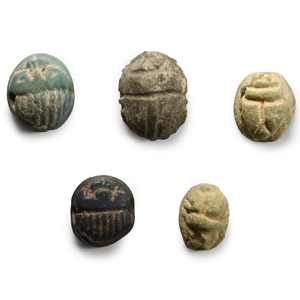
Phoenician Faience Scarab Group
1st millennium B.C.Sold for (Inc. bp): £117
Mixed scarab and scaraboid group, two with design to the underside. 2.47 grams total, 8-11 mm
From the H.N. collection, Milton Keynes, Berkshire, UK, 1990s. -
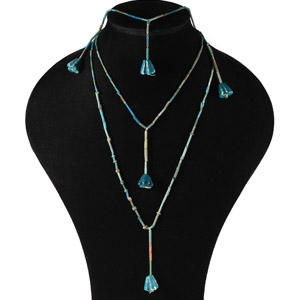
Egyptian Faience Mummy Bead Necklace with Lotus Flower Amulets
Late Period, 664-332 B.C.Sold for (Inc. bp): £208
Restrung group of mainly tubular beads with five faience lotus-flower pendants. 24.9 grams, 111 cm long
From an old English deceased estate. Acquired on the London art market in the early 1990s. Property of a London, UK, collector. -
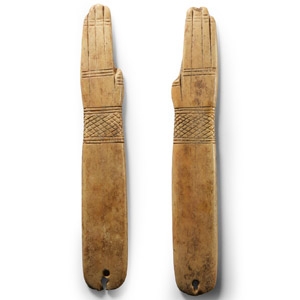
Large Egyptian Bone Doll's Arms
Coptic, circa 5th-8th century A.D.Sold for (Inc. bp): £572
Matched pair, carved with creases to the fingers, hatched cuff at the wrist, pierced at the shoulder. 80 grams total, 16 cm each
Ex London, UK collection, 1990s.
