
Loading, please wait...
LOT 0575
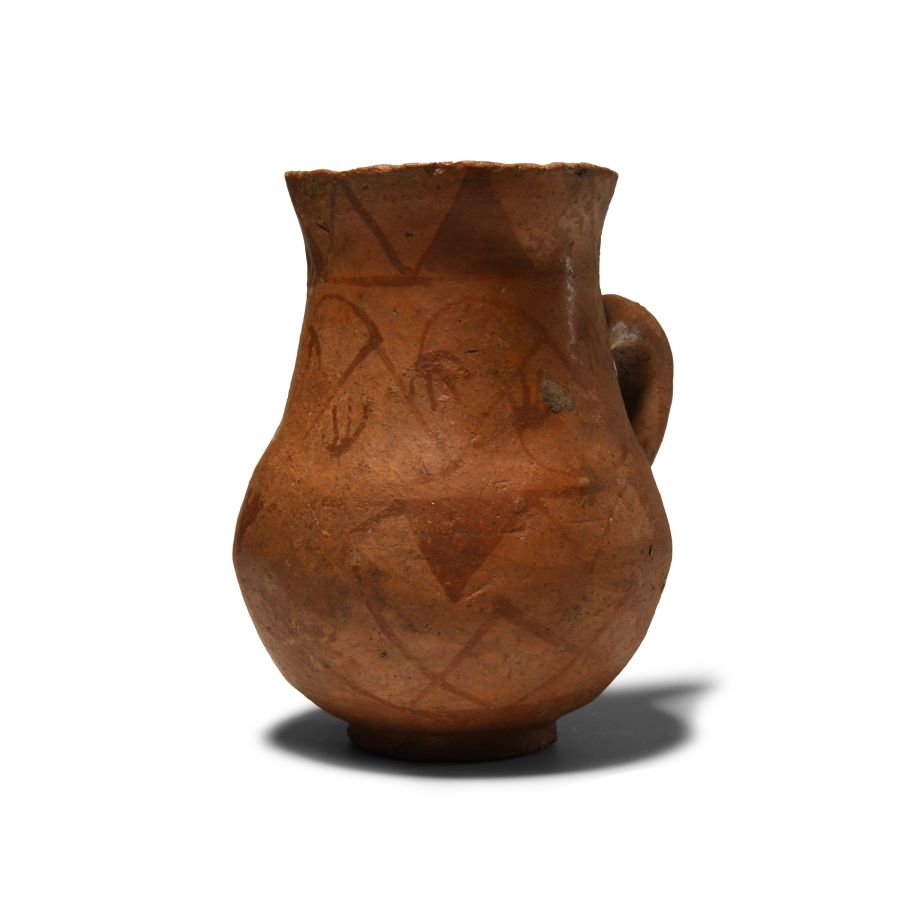
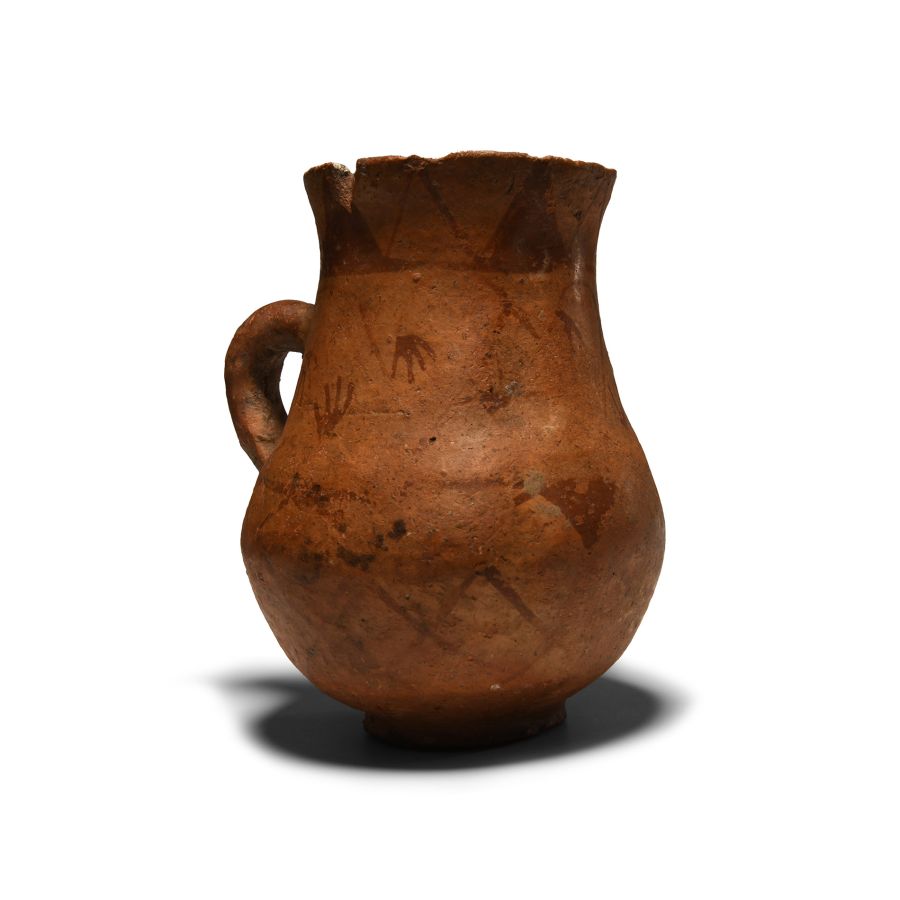
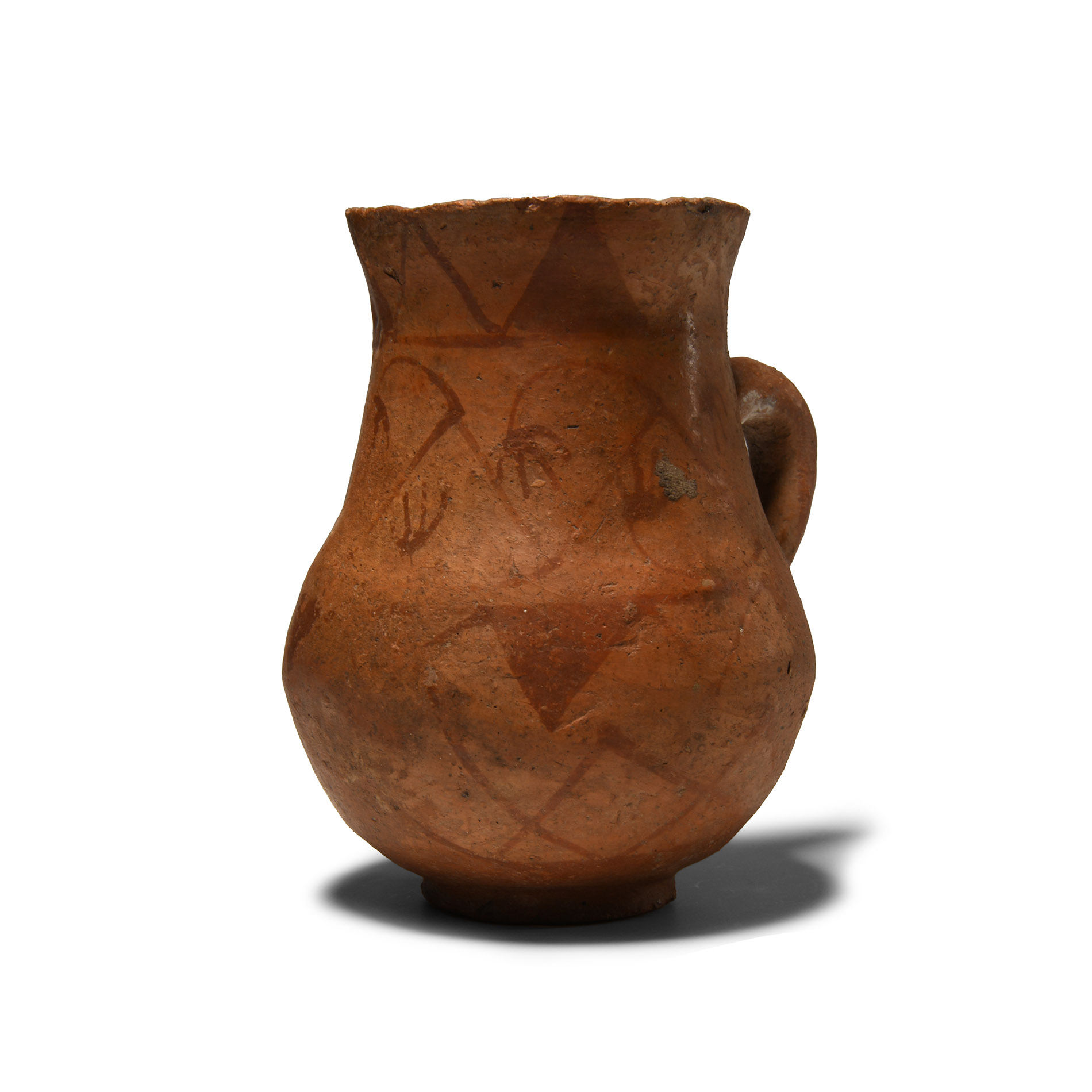
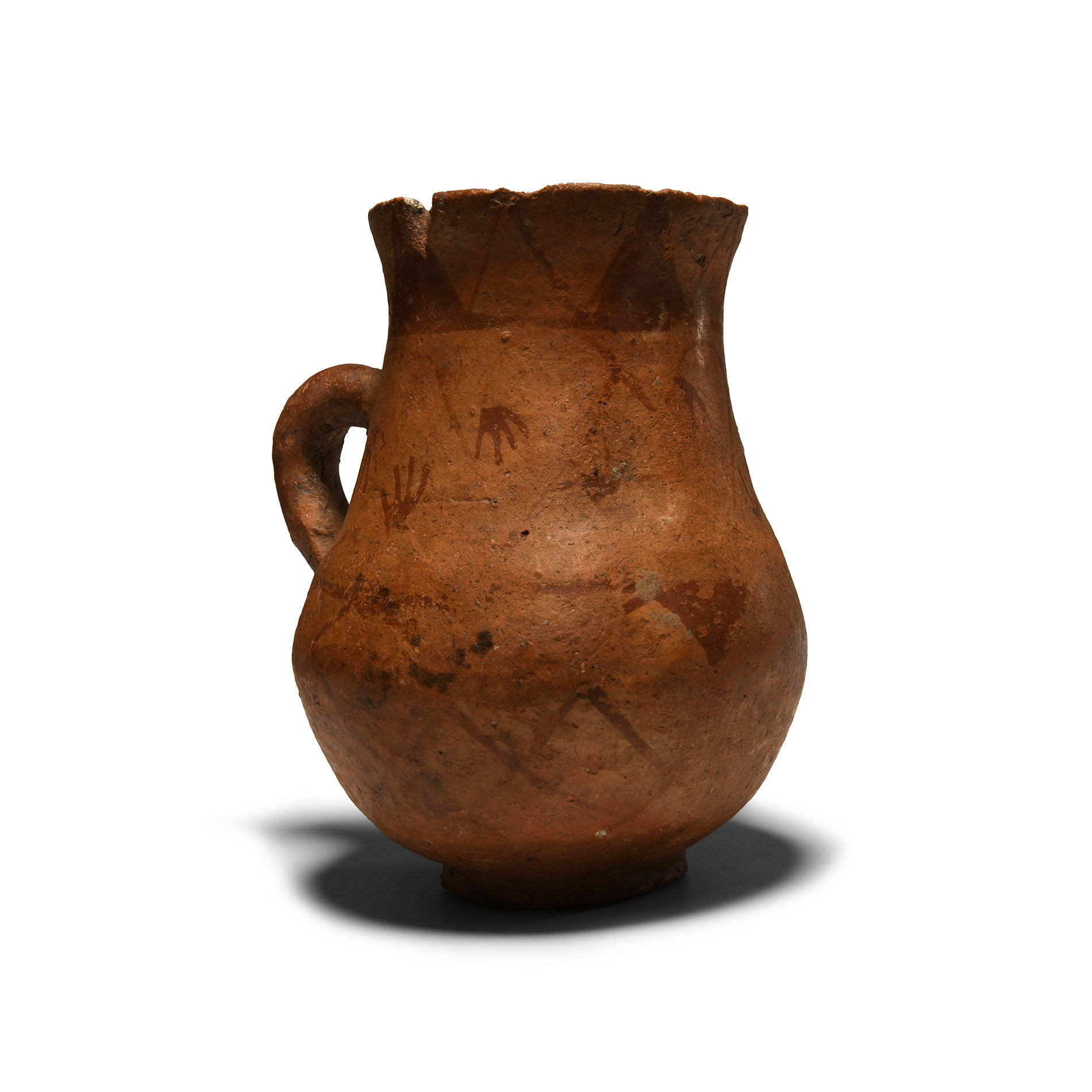
Phoenician Painted Terracotta Cup
CIRCA 6TH CENTURY B.C.
5 in. (467 grams, 12.5 cm).
Redware cup with rounded underside to the body, conical shoulder, short neck and gently flared rim; strap handle to the shoulder; decoration of red linear triangular blocks. median band with stylised hand motifs. [No Reserve]
ProvenanceFrom a collection acquired on the UK art market from various auction houses and collections mostly before 2000.
From an important Cambridgeshire estate; thence by descent.
TimeLine Auctions follows a vetting process to ensure the authenticity and legality of all items, reinforcing our commitment to integrity and responsible trading. Each antiquity, antique, and coin lot undergoes thorough examination by a vetting committee of at least ten external specialists, professional trade association members, scientists, and archaeologists: Our Vetting Process
AUCTIONS:
TimeLine is a leading auction house specialising in antiquities, ancient art, collectables, natural history, coins, medals, and books. Our auctions offer museums, collectors, historians, and enthusiasts the opportunity to acquire unique and historically significant pieces.
-
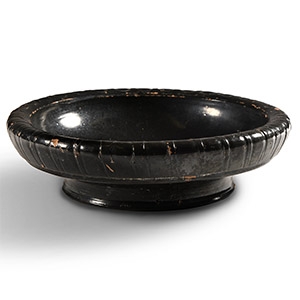
Greek Black-Glazed Plate
5th-4th century B.C.Estimate: £300 - 400 (‡+bp*)
Opening Bid: £150
Shallow-bodied with broad foot; incised fluting around the exterior body and rim. 192 grams, 12.7 cm wide
Acquired in the 1960s-1970s. Ex European private collection. -
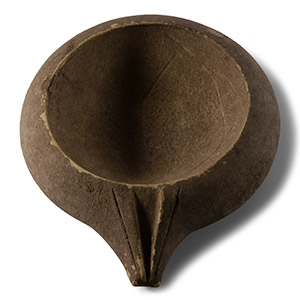
Greek Terracotta Libation Bowl
7th-5th century B.C.Sold for (Inc. bp): £286
Squat in profile with deep carinated rim and broad bowl; basal ring beneath; funicular pouring spout. 704 grams, 25 cm
From a collection acquired on the UK art market from various auction houses and collections mostly before 2000. From an important Cambridgeshire estate; thence by descent. -
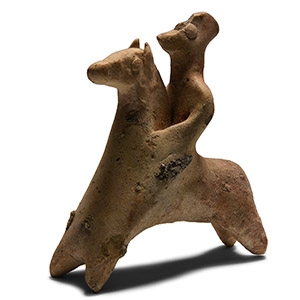
Archaic Greek Terracotta Horse and Rider Statuette
7th-5th century B.C.Sold for (Inc. bp): £234
Integrally modelled horse and rider with applied pellet eyes, traces of red pigment. 112 grams, 96 mm high
From a collection acquired on the UK art market from various auction houses and collections mostly before 2000. From an important Cambridgeshire estate; thence by descent.
Terracotta figurines of horse and rider were common grave offerings in Boeotia, northwest of Attica, particularly during the 6th century B.C. Representations of warriors on horseback were already widespread in the Geometric Period, and widely used in Cyprus during this period. The rider, although influenced by Cypriot designs, does not show typical Cypriot characteristics.
