
Loading, please wait...
LOT 0494
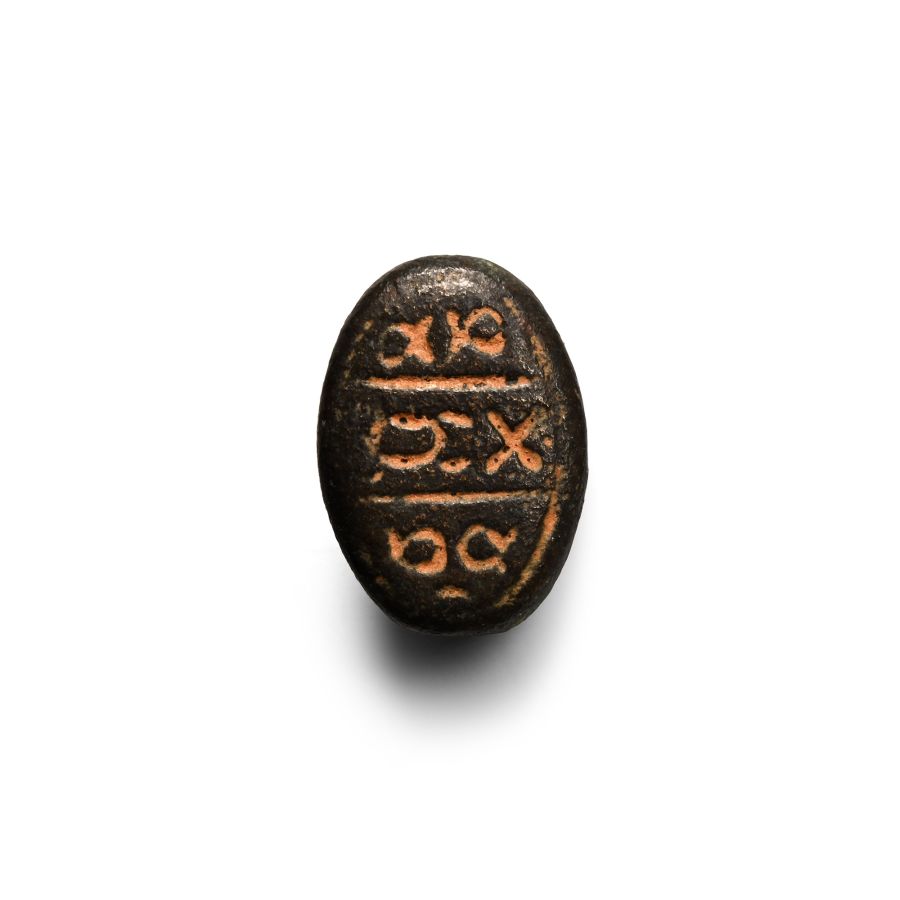
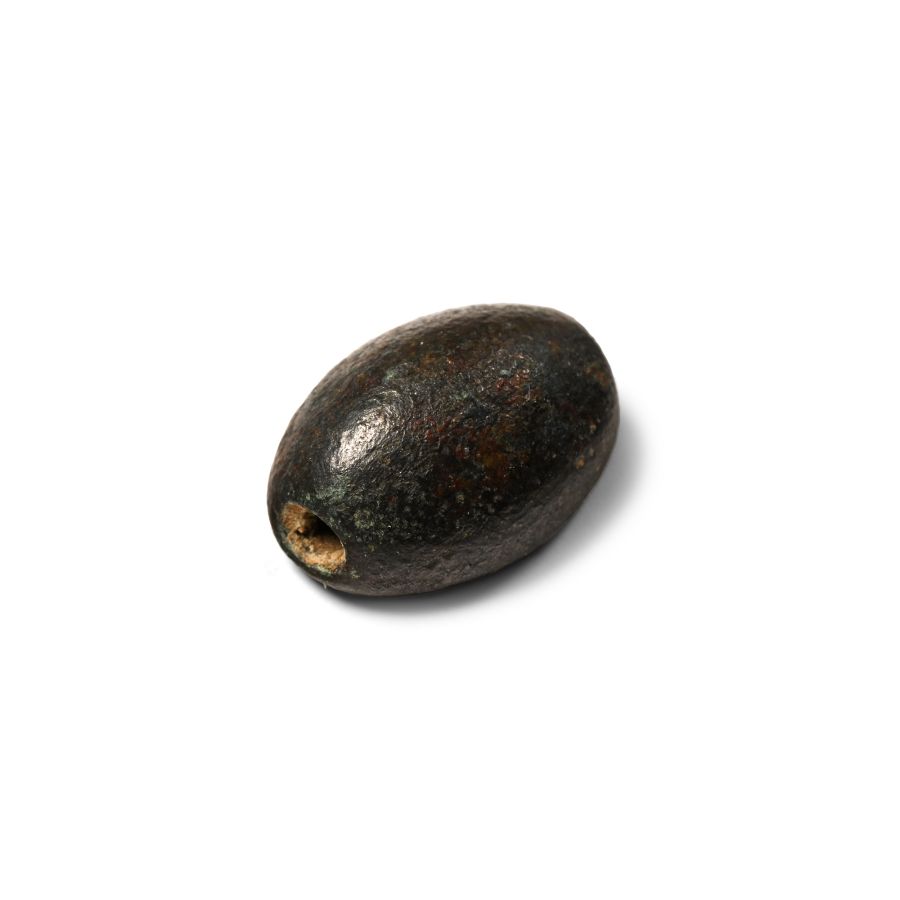
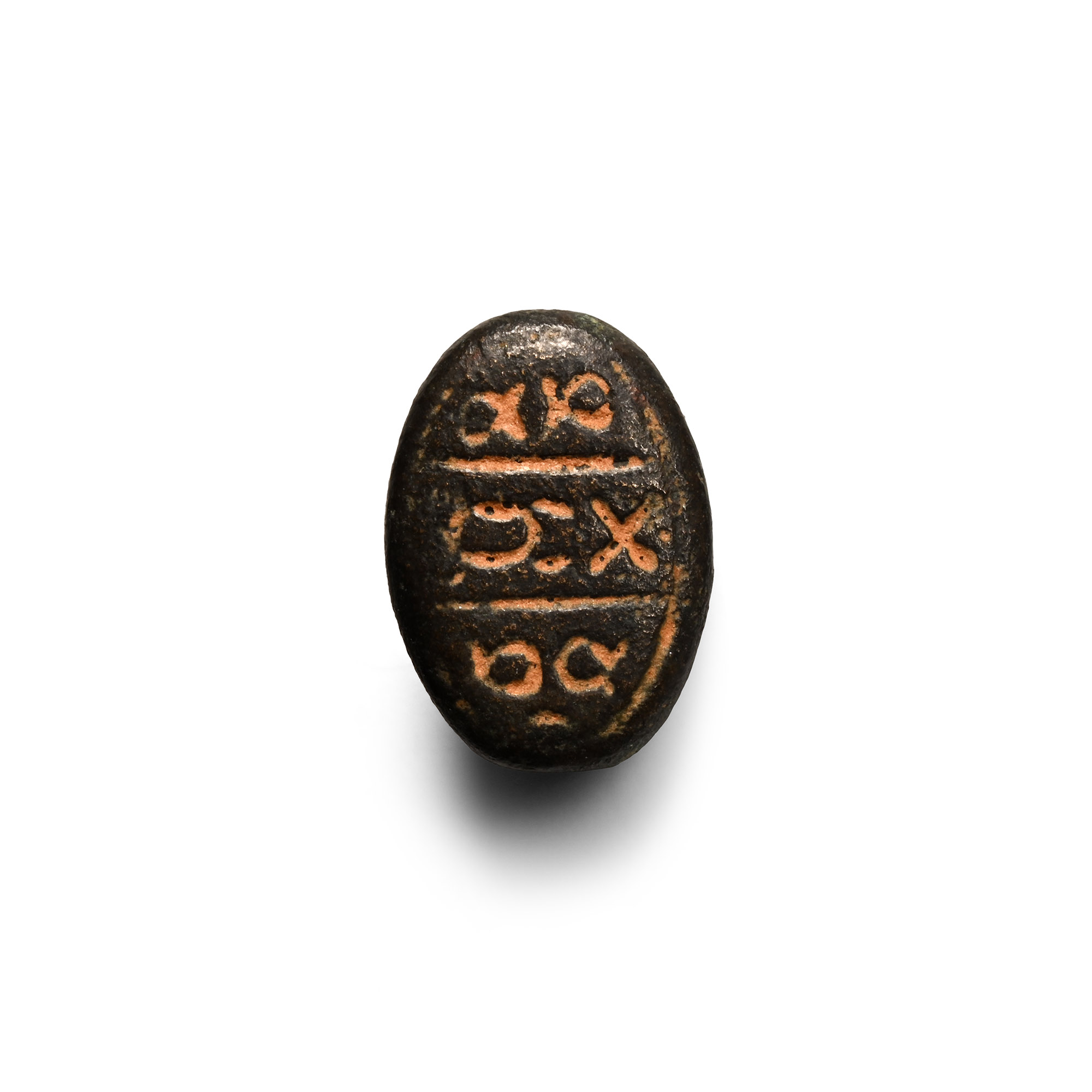
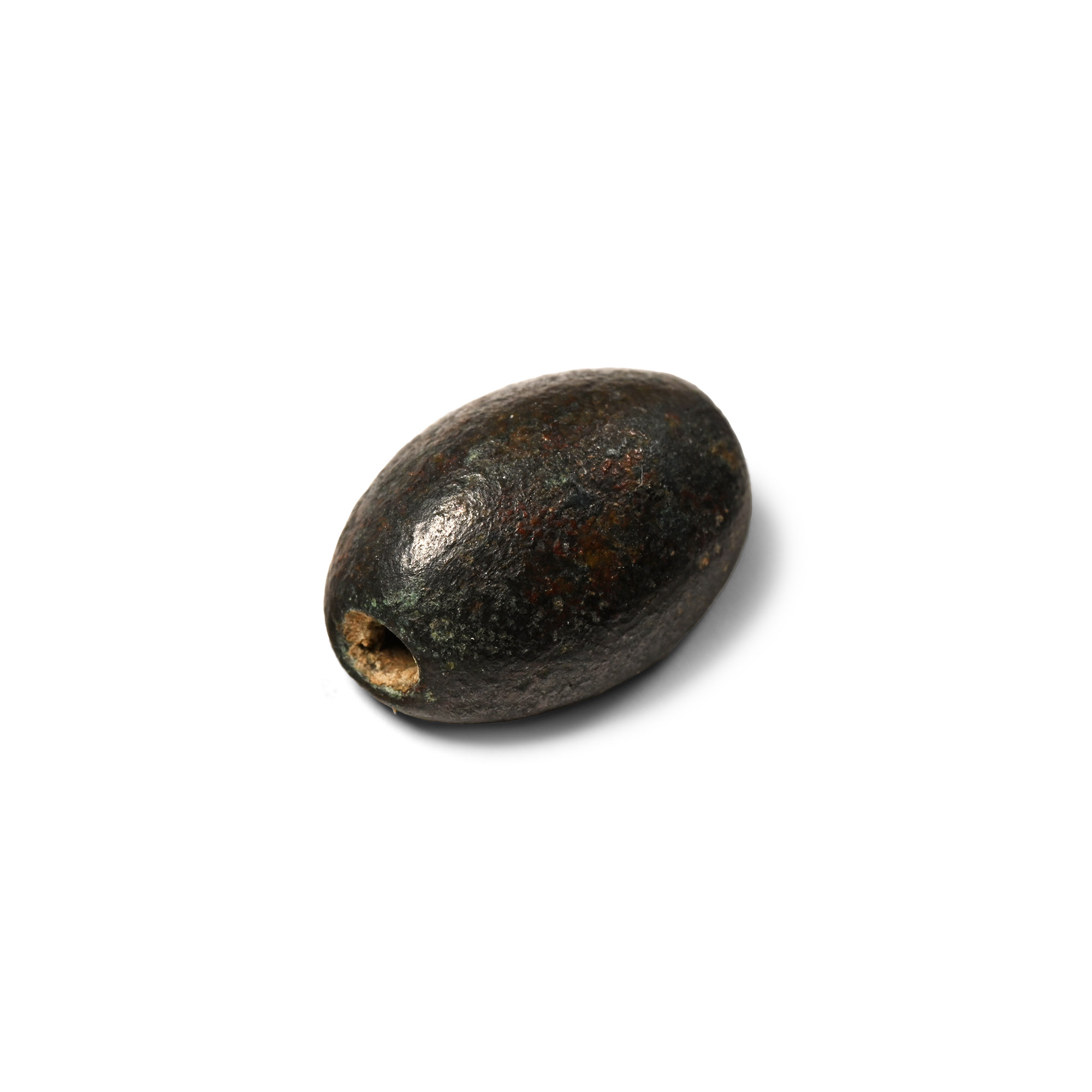
Phoenician Inscribed Bronze Scaraboid Seal
LATE 1ST MILLENNIUM B.C.
1/2 in. (3.5 grams, 13 mm).
With plain body and three lines of characters including a scarab to the underside.
ProvenanceEx London, UK, gentleman, 1990.
This lot is accompanied by an illustrated lot declaration signed by the Head of the Antiquities Department, Dr Raffaele D'Amato.
TimeLine Auctions follows a vetting process to ensure the authenticity and legality of all items, reinforcing our commitment to integrity and responsible trading. Each antiquity, antique, and coin lot undergoes thorough examination by a vetting committee of at least ten external specialists, professional trade association members, scientists, and archaeologists: Our Vetting Process
AUCTIONS:
TimeLine is a leading auction house specialising in antiquities, ancient art, collectables, natural history, coins, medals, and books. Our auctions offer museums, collectors, historians, and enthusiasts the opportunity to acquire unique and historically significant pieces.
-
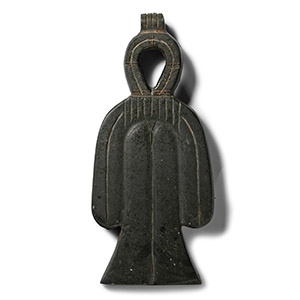
Egyptian Stone Tyet Amulet
Third Intermediate Period-Late Period, circa 743-332 B.C.Sold for (Inc. bp): £1,300
Finely carved tyet amulet with incised internal detailing and ribbed suspension loop at the top. 38.9 grams, 81 mm
Acquired in the mid 1980s-1990s. Private collection, Switzerland, thence by descent. Private collection, since the late 1990s. This lot is accompanied by an illustrated lot declaration signed by the Head of the Antiquities Department, Dr Raffaele D'Amato.
The tyet amulet was associated with the goddess Isis and was often referred to as the 'knot' or 'girdle' of Isis. Some believe that it represents a bandage used to absorb menstrual blood. It was commonly placed within the mummy wrappings on the upper torso of the deceased, with the belief that it would invoke Isis' protection and safeguard the body, thus ensuring their rebirth in the afterlife. -
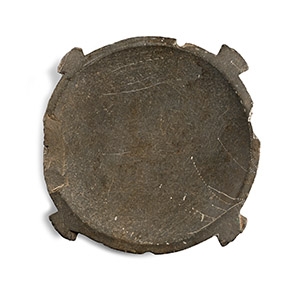
Egyptian Schist Plate
Ptolemaic Period, 323-30 B.C.Estimate: £800 - 1,000 (‡+bp*)
Opening Bid: £360
Discoid palette with rounded underside and flat base, dished central field, flat rim with four radiating trapezoidal projections. 450 grams, 16.4 cm
Acquired in the mid 1980s-1990s. Private collection, Switzerland, thence by descent. Private collection, since the late 1990s. Accompanied by a copy of an Art Loss Register certificate no.S00038135. This lot is accompanied by an illustrated lot declaration signed by the Head of the Antiquities Department, Dr Raffaele D'Amato. -
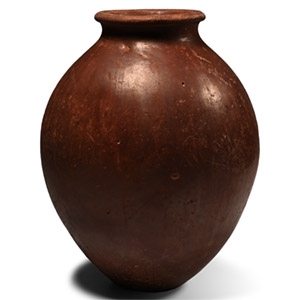
Egyptian Predynastic Globular Flask
Naqada II, 3500-3150 B.C.Sold for (Inc. bp): £1,040
A globular-shaped body with a disc base, short neck, and everted rim at the mouth; featuring a burnished red wash surface. 925 grams, 21 cm
Private collection. with Bonhams, London, 22 September 1998, no.130. European private collection. This lot is accompanied by an illustrated lot declaration signed by the Head of the Antiquities Department, Dr Raffaele D'Amato.
