
Loading, please wait...
LOT 1182
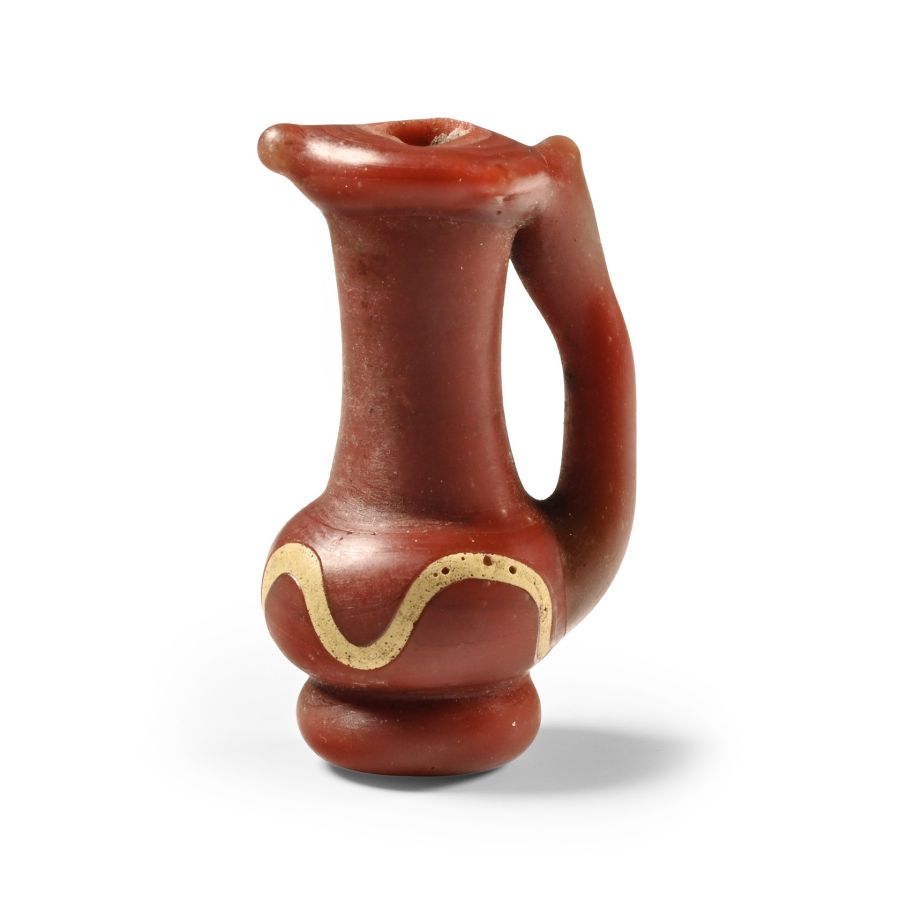
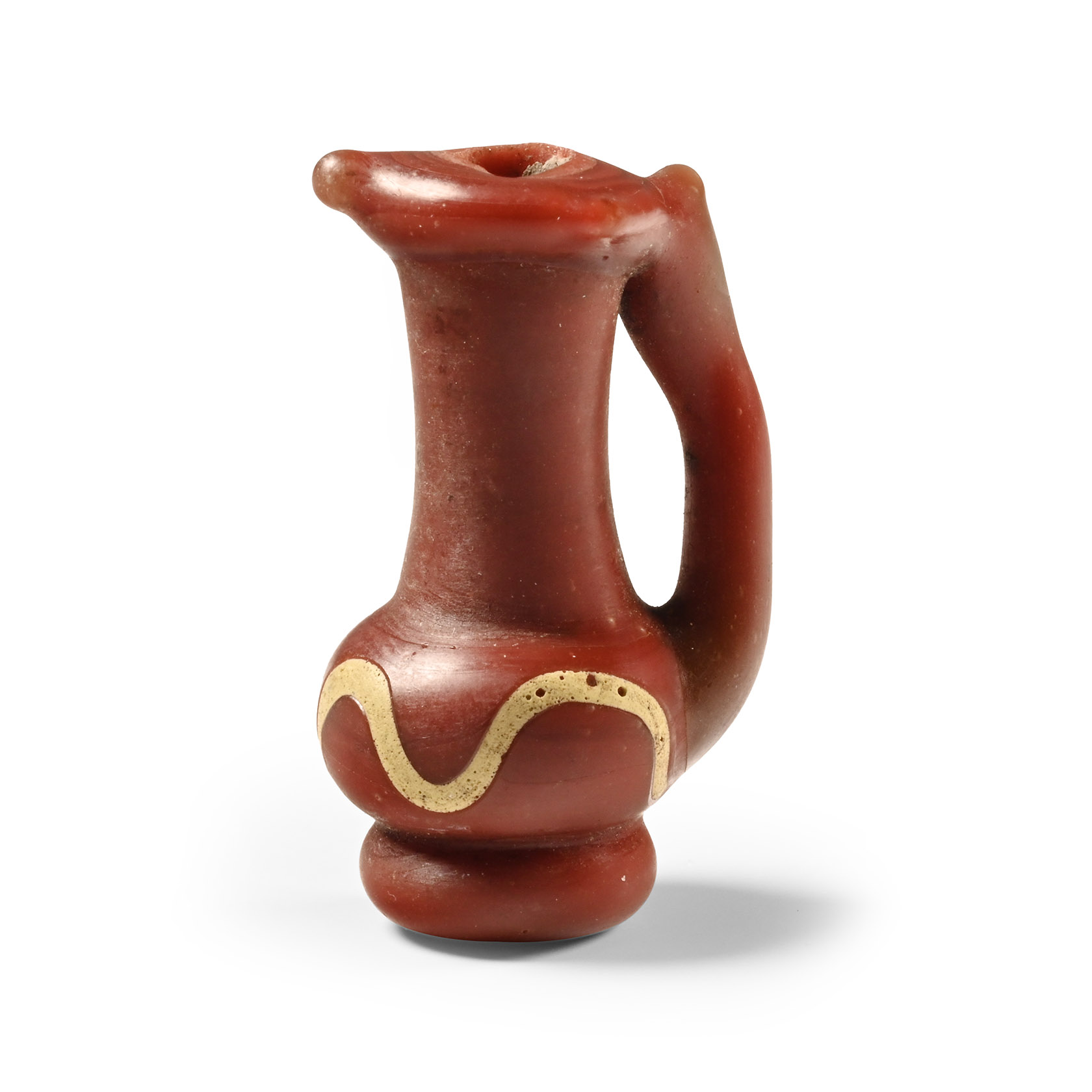
Phoenician Core-Formed Glass Juglet Bead
6TH-4TH CENTURY B.C.
1 in. (4.24 grams, 27 mm).
Formed of maroon glass with a yellow trail decoration to the body, applied handle to the rear. [No Reserve]
ProvenanceFrom the property of late Mr SM, London, UK, 1969-1999, thence by descent.
CONDITIONTimeLine Auctions follows a vetting process to ensure the authenticity and legality of all items, reinforcing our commitment to integrity and responsible trading. Each antiquity, antique, and coin lot undergoes thorough examination by a vetting committee of at least ten external specialists, professional trade association members, scientists, and archaeologists: Our Vetting Process
AUCTIONS:
TimeLine is a leading auction house specialising in antiquities, ancient art, collectables, natural history, coins, medals, and books. Our auctions offer museums, collectors, historians, and enthusiasts the opportunity to acquire unique and historically significant pieces.
-
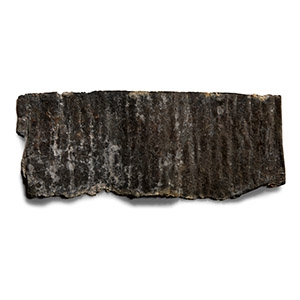
Aramaic Lead Magical Scroll
2nd-8th century A.D.Sold for (Inc. bp): £312
Comprising a flattened sheet fragment with cursive text to one face. 13 grams, 96 mm
From the property of late Mr SM, London, UK, 1969-1999. -
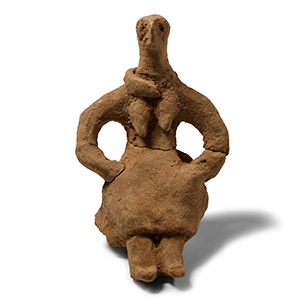
Chalcolithic Fertility Figure
Circa 3rd millennium B.C.Sold for (Inc. bp): £390
Formed as a seated female with pinched facial features, applied collar, arms bent and hands on the hips, flared skirt with separately moulded legs protruding; repaired. 88 grams, 82 mm high
From the property of late Mr SM, London, UK, 1969-1999. -

Neo-Babylonian Chalcedony Duck Weight with Engraved Figure
Circa 8th-6th century B.C.Sold for (Inc. bp): £169
The animal carved with its head and neck resting along its back; stylised figure with crescent horns or headdress engraved to base; pierced for suspension. 5.07 grams, 21 mm
From an early 20th century collection, Caernarfon, North Wales, UK.
A corpus of similar pieces was found by Italian archaeologists in the city of Karkemish. They were produced and in use in the Iron Age I-III (i.e. from ca. 1190 B.C., date of the collapse of the Hittite Empire and the rise of the “Great Kings” of Karkemish, to 605 B.C., date of the “battle of Karkemish”, when the Babylonian army conquered the city.
