
Loading, please wait...
LOT 0058
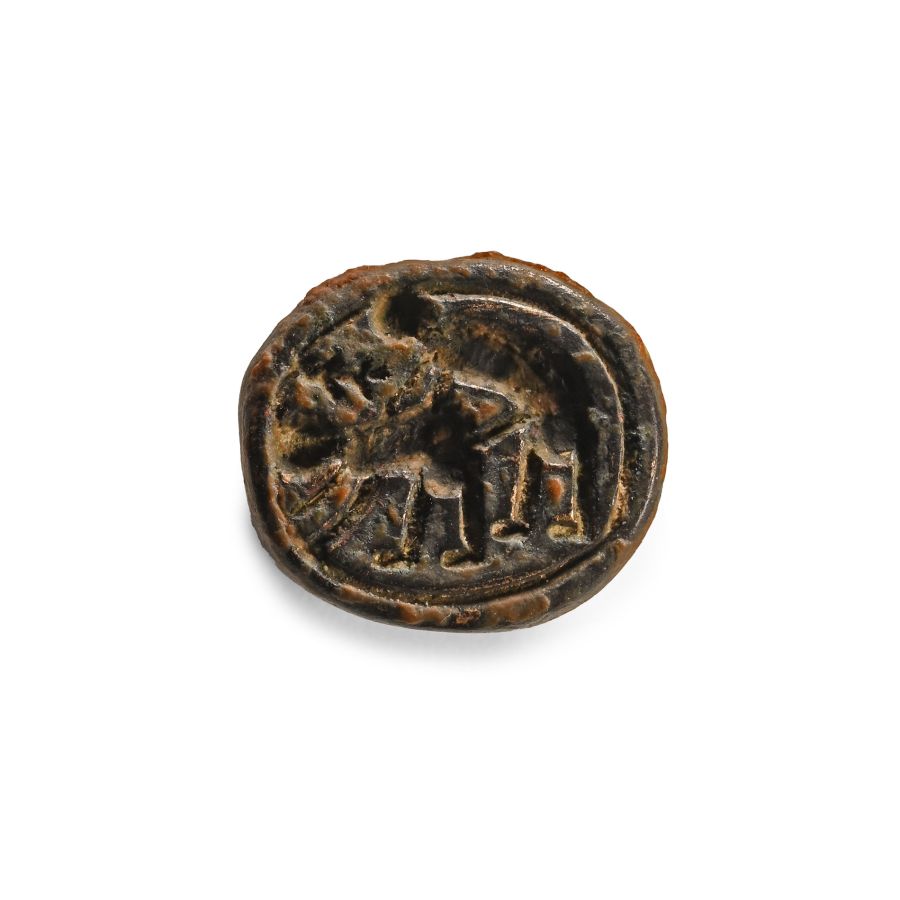
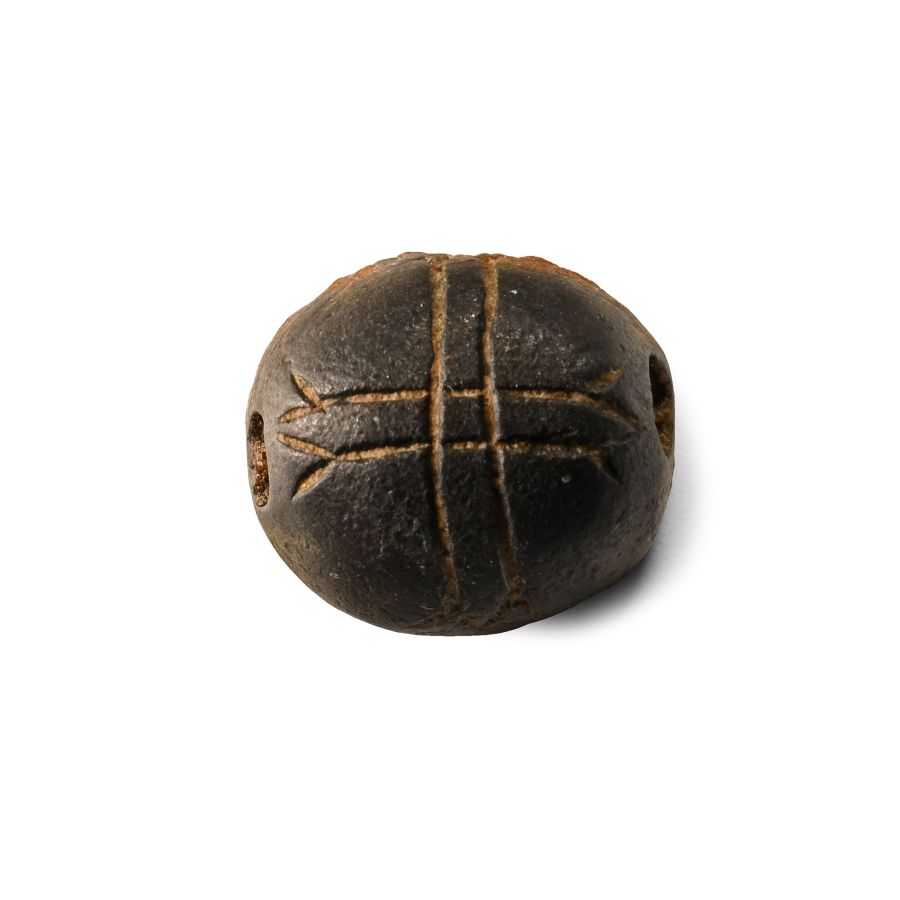
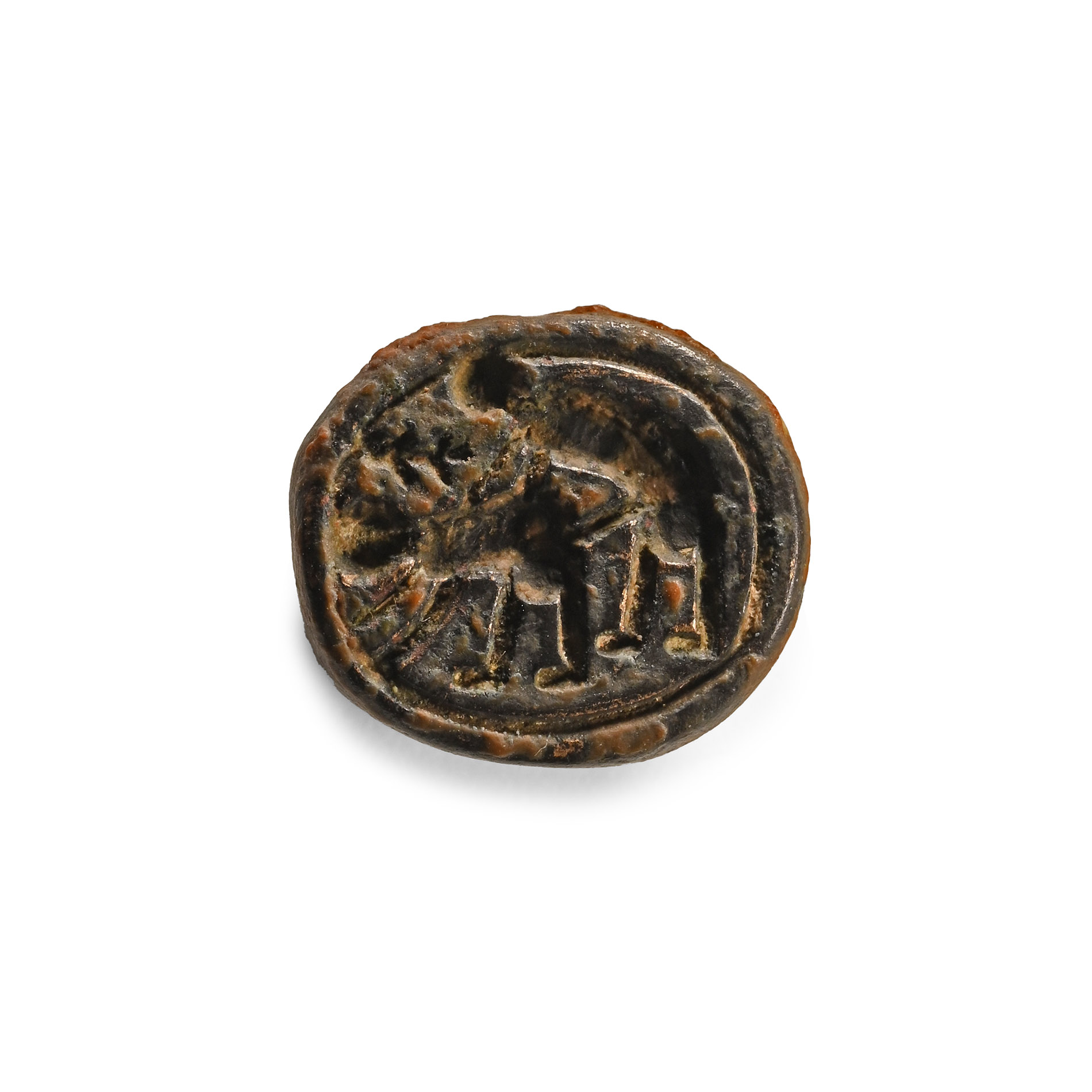
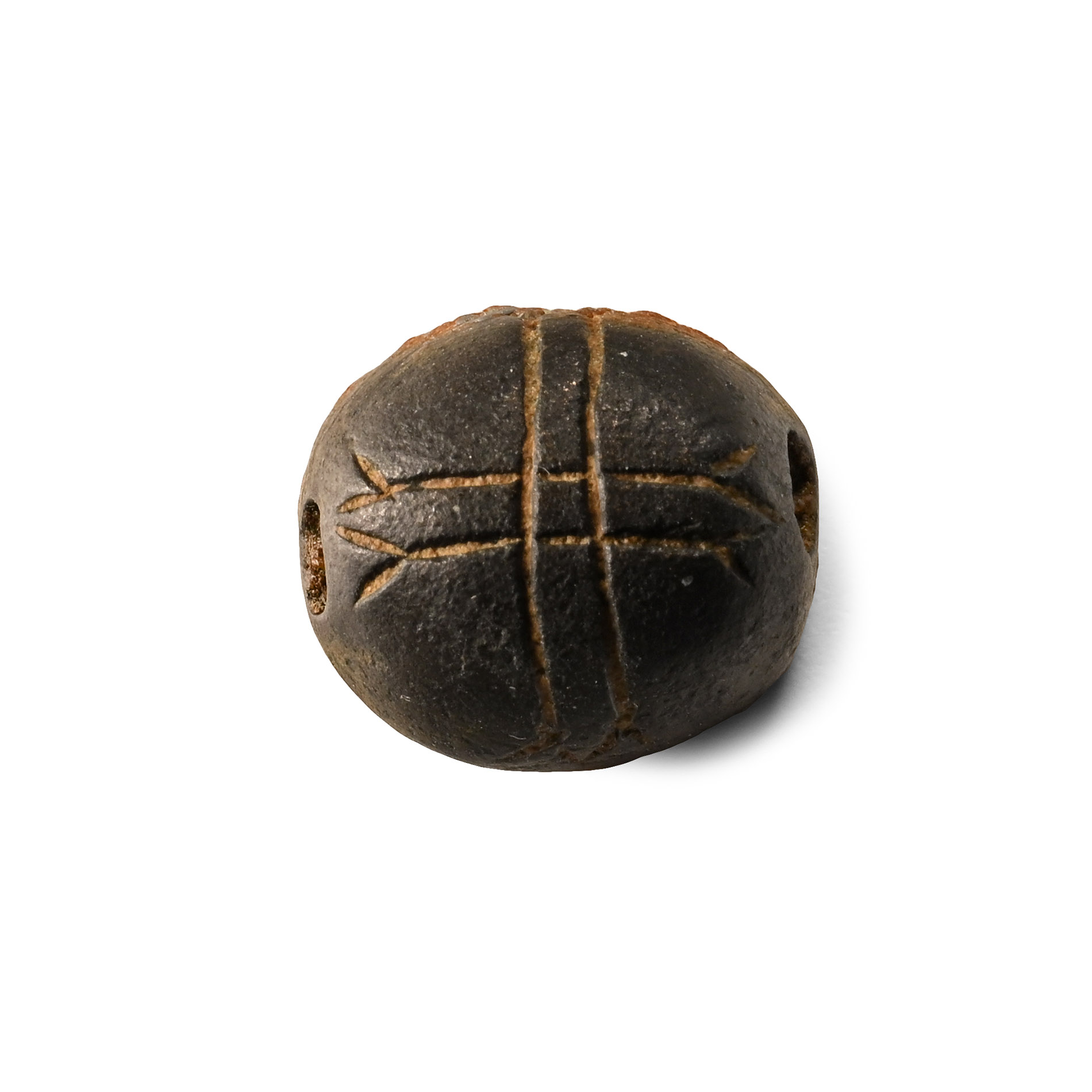
Phoenician Bronze Scaraboid Stamp Seal with Erotic Scene
1ST MILLENNIUM B.C.
1/2 in. (5.9 grams, 13 mm).
Plano-convex stamp with scarab detailing, incuse scene to the underside.
ProvenanceFrom the collection of a gentleman, acquired on the London art market in the 1990s.
CONDITIONTimeLine Auctions follows a vetting process to ensure the authenticity and legality of all items, reinforcing our commitment to integrity and responsible trading. Each antiquity, antique, and coin lot undergoes thorough examination by a vetting committee of at least ten external specialists, professional trade association members, scientists, and archaeologists: Our Vetting Process
AUCTIONS:
TimeLine is a leading auction house specialising in antiquities, ancient art, collectables, natural history, coins, medals, and books. Our auctions offer museums, collectors, historians, and enthusiasts the opportunity to acquire unique and historically significant pieces.
LOT 0058
Phoenician Bronze Scaraboid Stamp Seal with Erotic Scene
Sold for (Inc. bp): £780
-
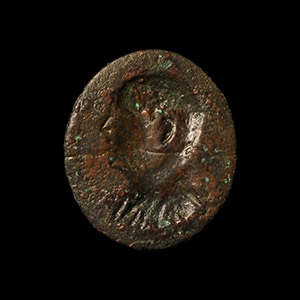
Egyptian Bronze Ring with Bust
Ptolemaic Period, 332-30 B.C.Sold for (Inc. bp): £338
With discoid bezel with incuse profile facing left. 7.03 grams, 23.09 mm overall, 17.15 mm internal diameter (approximate size British G 1/2, USA 3 1/2, Europe 5.55, Japan 5)
Acquired 1980-2015. Ex Abelita family collection. -
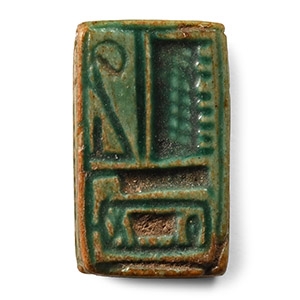
Egyptian Faience Block Bead of Thutmose III
New Kingdom, 18th Dynasty, circa 1504-1452 B.C.Sold for (Inc. bp): £442
With impressed hieroglyphs on all four faces, two sides giving the throne name of Thutmose III (Men-kheper-Re), the others mentioning the god Amun. 1.1 grams, 12 mm
From the old collection of Emile Bouillon Bey, c. 1880. Ex Gaston Maspero archaeological fund. Property of a French collector.
Thutmose III was a renowned warrior king widely revered even centuries after his reign. -
.jpg)
Greek Marble Head of Dionysus
3rd-1st century B.C.Sold for (Inc. bp): £23,400
Carved in the half-round in three-quarter view, youthful male head with stern features, hair gathered in a browband, horns to the brow; from a frieze or relief; mounted on a custom-made stand. 1.59 kg total, 18.7 cm high including stand
Private European collection. Acquired on the Swiss art market, October 2013. European private collection. Accompanied by a copy of the 2013 invoice. Accompanied by an academic report by Dr Raffaele D'Amato. This lot has been checked against the Interpol Database of stolen works of art and is accompanied by a search certificate number no.12085-218192.
