
Loading, please wait...
LOT 1346
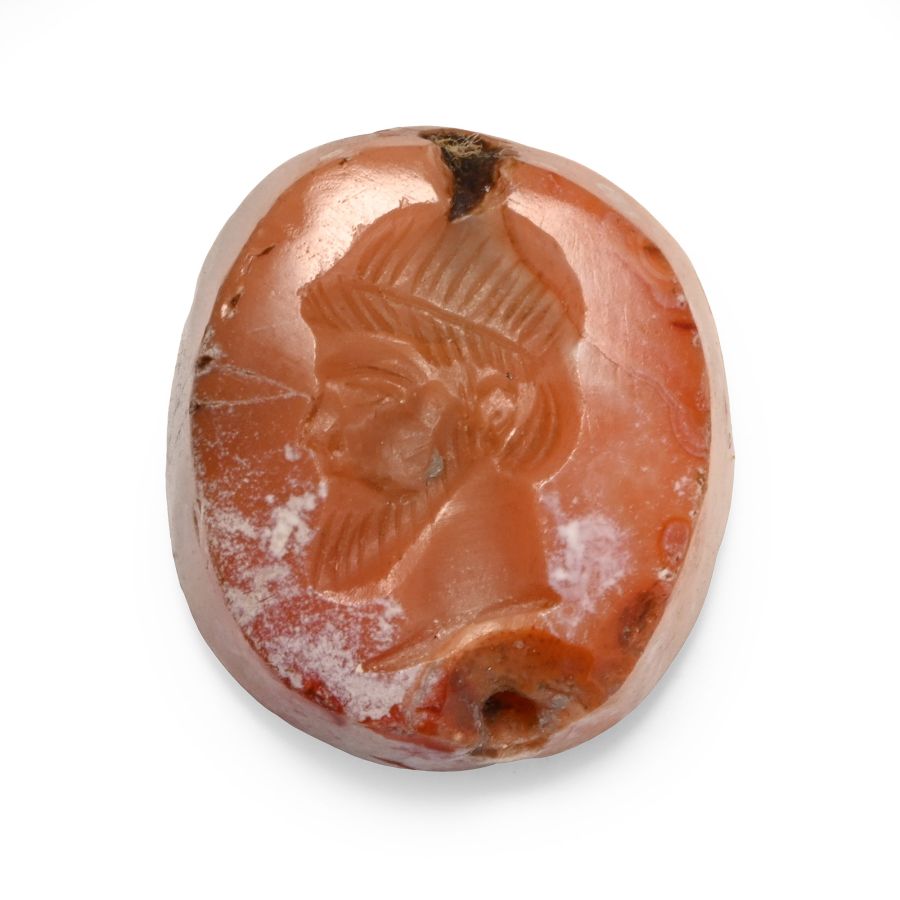
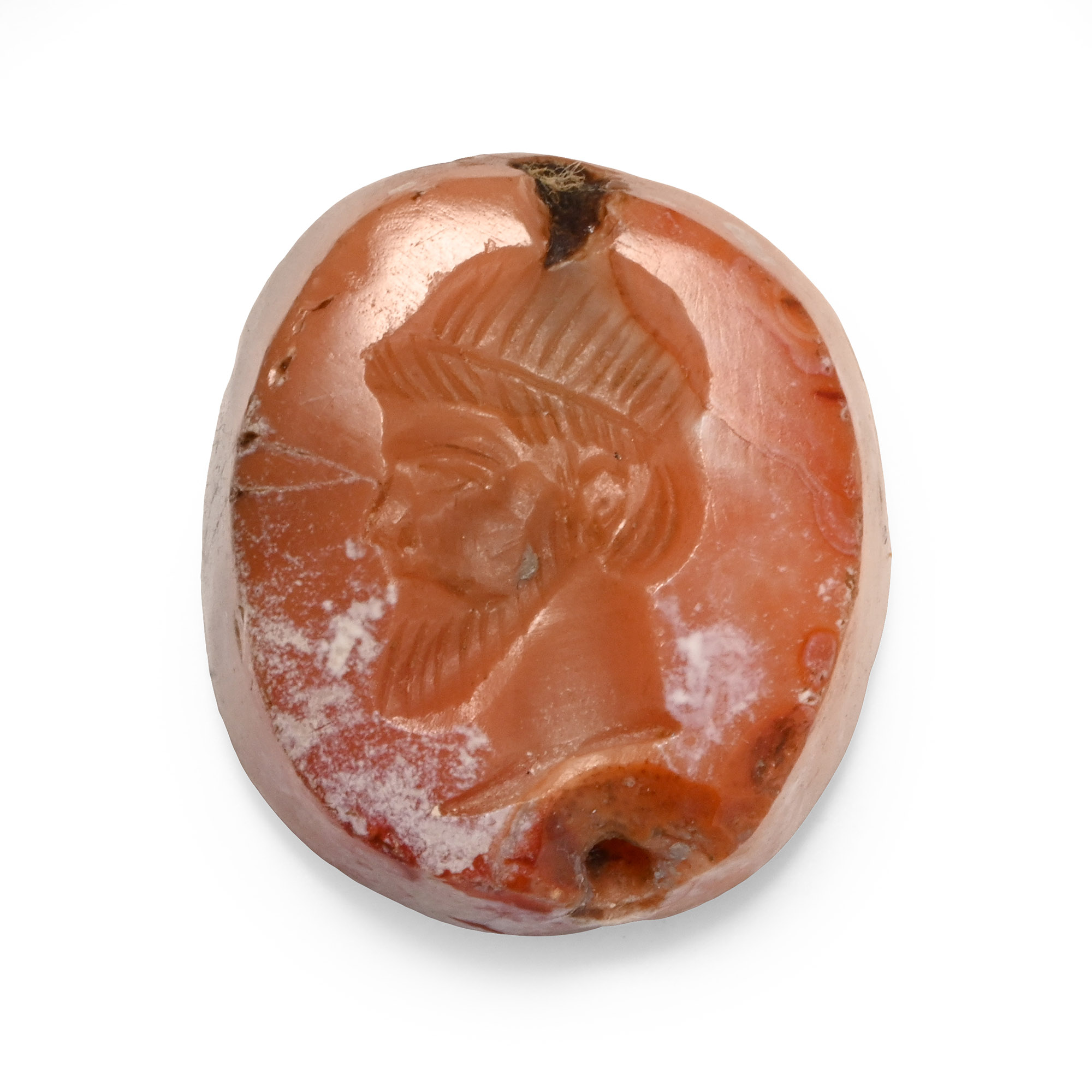
Parthian Stone Seal with Bearded Bust
1ST CENTURY B.C.-1ST CENTURY A.D. OR LATER
7/8 in. (4.52 grams, 21 mm).
Carved from opaque stone, upper face with a bearded profile bust wearing a headdress, occluded piercing. [No Reserve]
ProvenanceFrom the collection of a gentleman, acquired on the London art market in the 1990s.
CONDITIONTimeLine Auctions follows a vetting process to ensure the authenticity and legality of all items, reinforcing our commitment to integrity and responsible trading. Each antiquity, antique, and coin lot undergoes thorough examination by a vetting committee of at least ten external specialists, professional trade association members, scientists, and archaeologists: Our Vetting Process
AUCTIONS:
TimeLine is a leading auction house specialising in antiquities, ancient art, collectables, natural history, coins, medals, and books. Our auctions offer museums, collectors, historians, and enthusiasts the opportunity to acquire unique and historically significant pieces.
-
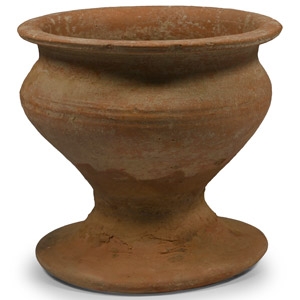
Western Asiatic Terracotta Jar
1st millennium B.C.Estimate: £100 - 140 (+bp*)
Opening Bid: £40
With trumpet-shaped base, thick stem, carinated bowl an everted rim; ribbed band to the equator. 1.06 kg, 16.8 cm
From the collection of a London, UK, gentleman, 1990s. This lot has been cleared against the Art Loss Register database, and is accompanied by an illustrated lot declaration signed by the Head of the Antiquities Department, Dr Raffaele D'Amato. -
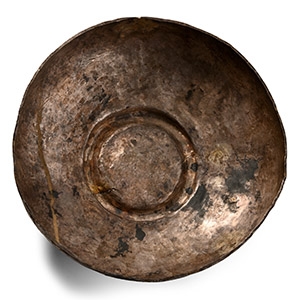
Western Asiatic Silver Drinking Bowl
2nd-6th century A.D.Estimate: £400 - 600 (+bp*)
Opening Bid: £180
Broad and squat in profile with repoussé basal ring; incised ring below the rim to the outer face. 169 grams, 16 cm
Acquired before the early 1970s. Ex London, UK, gallery. Private collection, London, UK. -
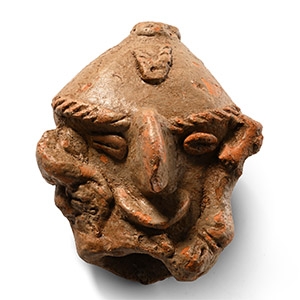
Large Western Asiatic Terracotta Statue Head
Late 1st millennium B.C.Sold for (Inc. bp): £65
A hollow-formed figure or idol head with conical cap, pinched facial form, applied brows and other detailing; mounted on a stand. 600 grams, 16 cm
Fine condition.
Property of a Cambridgeshire lady; formerly in the Igor Karmiloff collection (1925-2016), UN economist and author of Flashbacks, Icons of Impermanence, Bloomington, 2009; acquired in the 1950s-early 1990s. From the private collection of John Meredith, acquired since the 1990s; thence by descent.
