
Loading, please wait...
LOT 0514
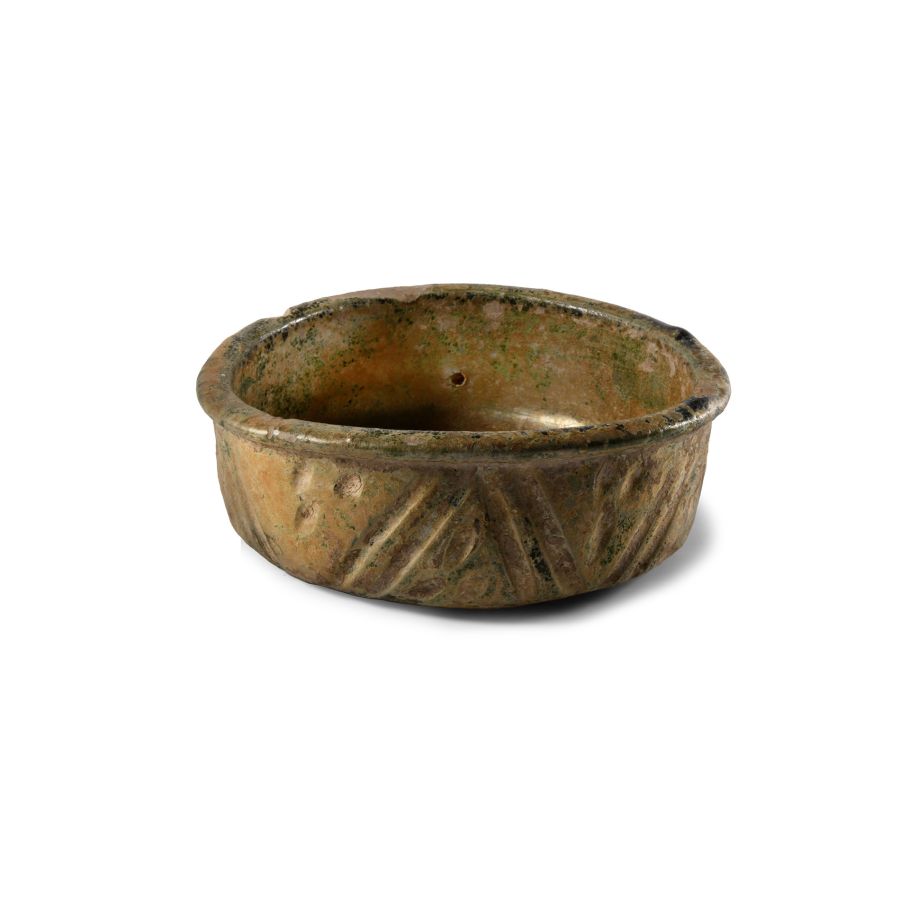
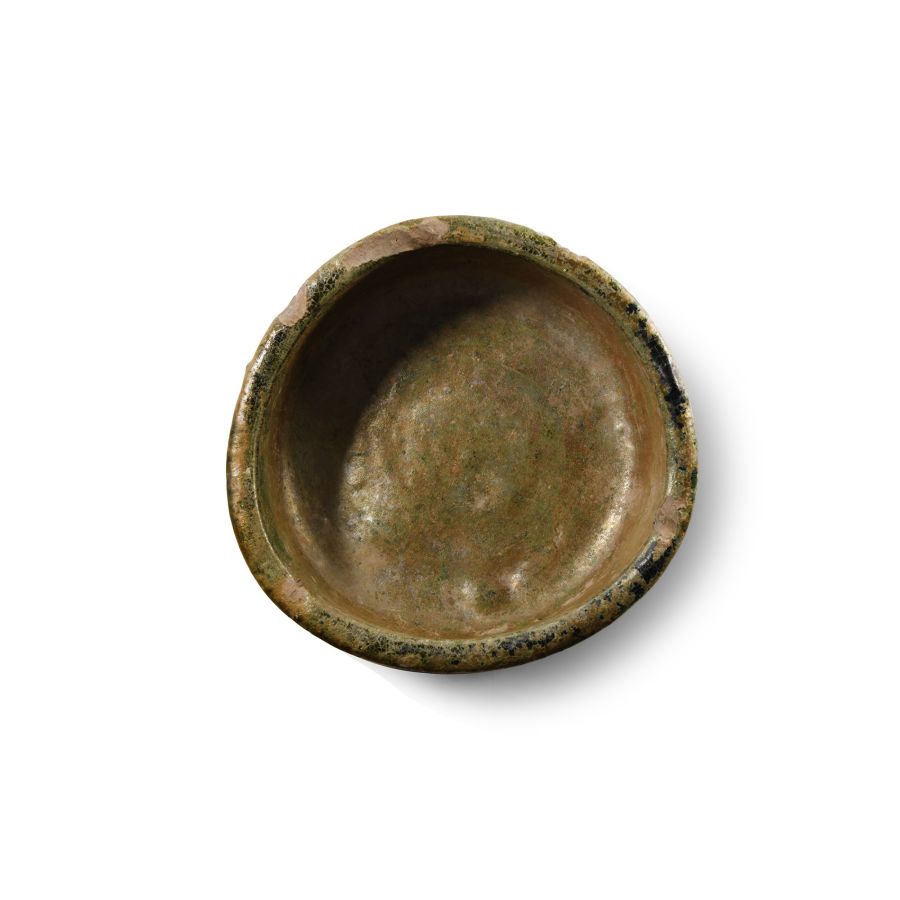
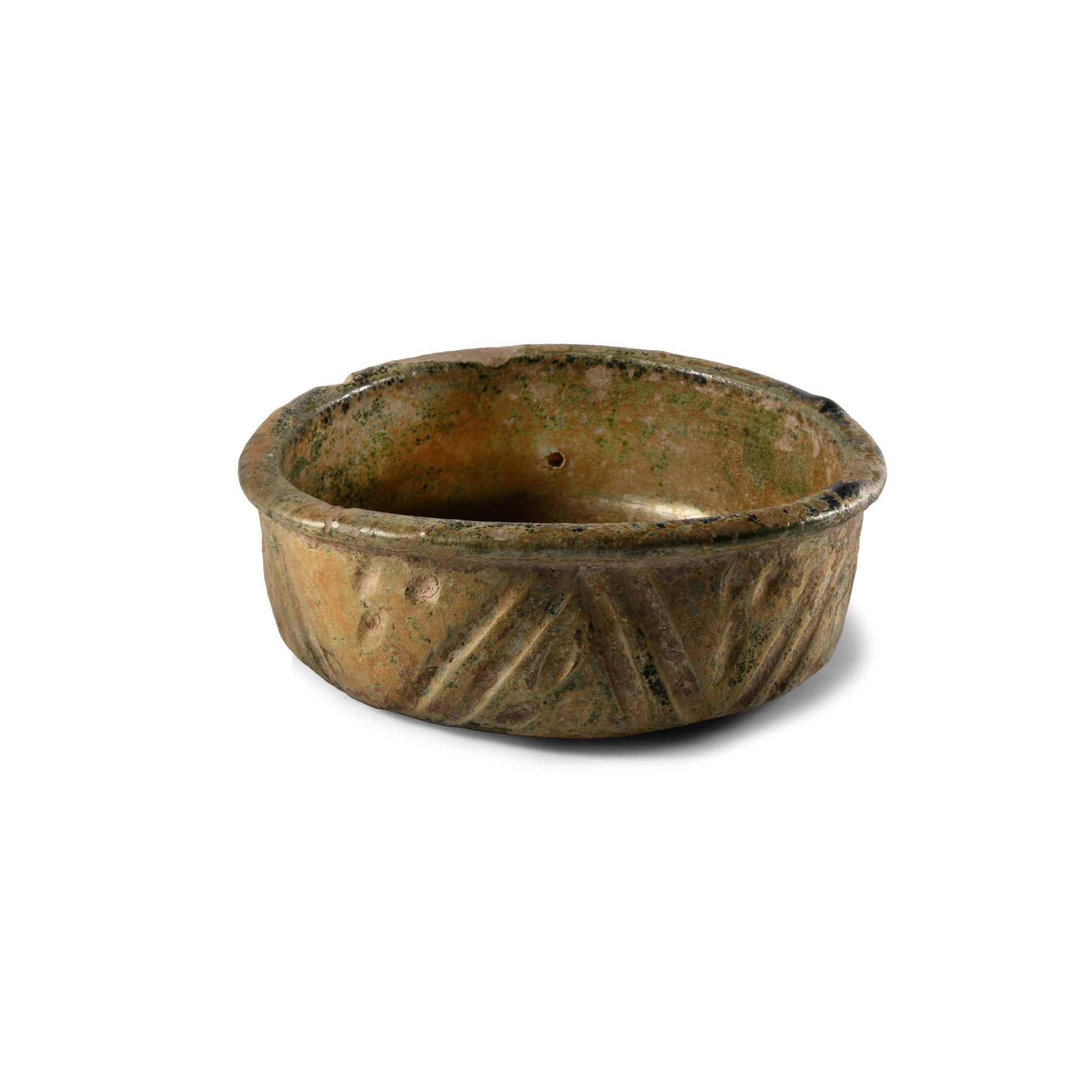
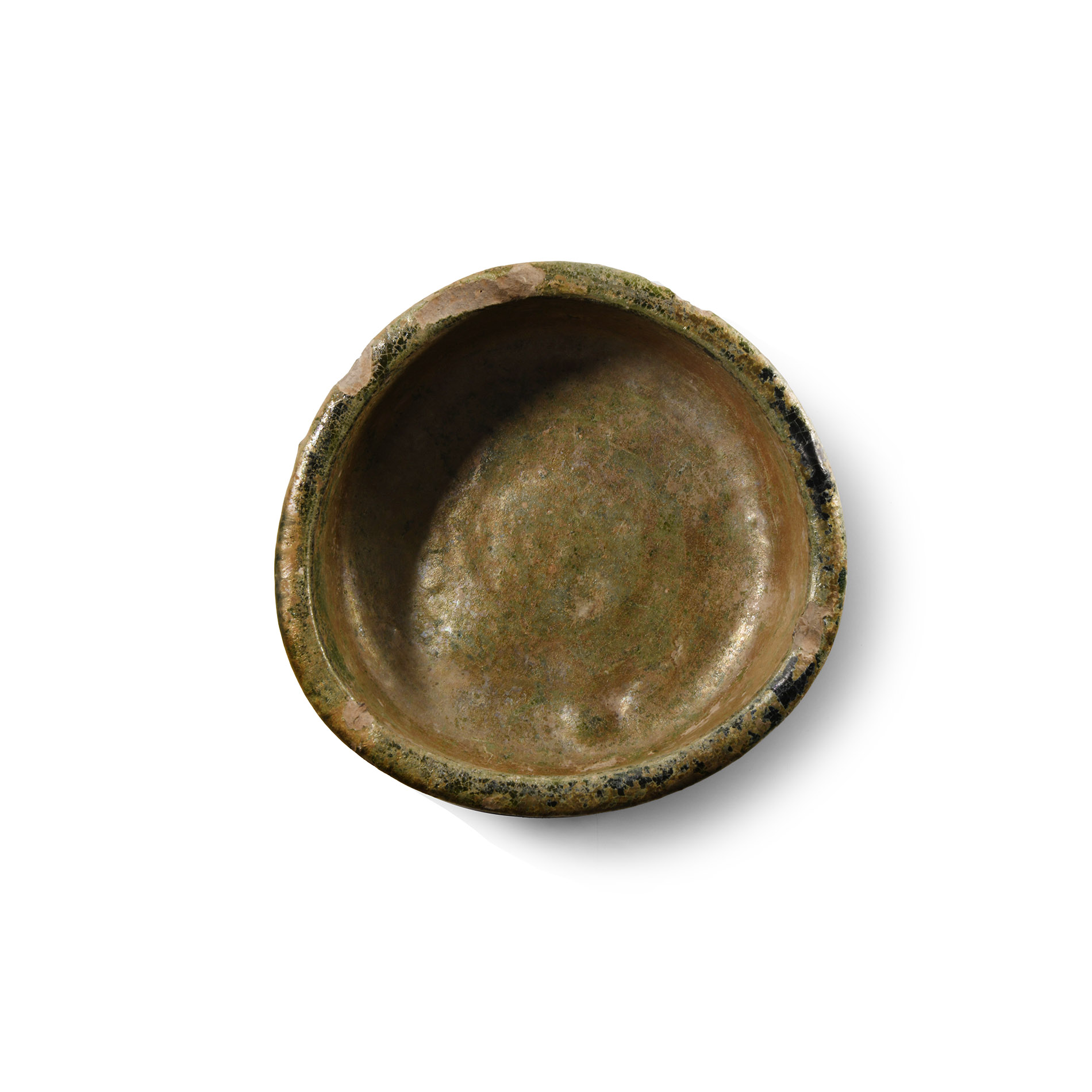
Parthian Green Glazed Dish
3RD-2ND CENTURY B.C.
5 3/8 in. (298 grams, 13.5 cm).
Of squat form with incised chevrons and dashes decorating the exterior; iridescent surfaces.
Provenancewith a London, UK gallery 1971-early 2000s.
CONDITIONTimeLine Auctions follows a vetting process to ensure the authenticity and legality of all items, reinforcing our commitment to integrity and responsible trading. Each antiquity, antique, and coin lot undergoes thorough examination by a vetting committee of at least ten external specialists, professional trade association members, scientists, and archaeologists: Our Vetting Process
AUCTIONS:
TimeLine is a leading auction house specialising in antiquities, ancient art, collectables, natural history, coins, medals, and books. Our auctions offer museums, collectors, historians, and enthusiasts the opportunity to acquire unique and historically significant pieces.
LOT 0514
Parthian Green Glazed Dish
Estimate £600 - 800€700 - 930 (for guidance only)$810 - 1,080 (for guidance only)
-
Sarmatian Gold Dress Mount Group
1st-3rd century A.D.Sold for (Inc. bp): £975
Each composed of a sheet-metal disc with central repoussé conical dome, concentric borders of faux strip twist wire; the edge with shallow domes and a sunburst motif, four fastening holes to each element. 14.75 grams total, 63-66 mm wide
From the collection of a North American gentleman, formed in the 1990s.
Ornamental discs of this type decorated the long dresses of Sarmatian princesses, arranged vertically on long garments, on shawls, and on the upper shoulders. They were fixed to the garments through sewing, using the fastening holes. -
Hellenistic Gold Beads with Granular Decoration
2nd-1st century B.C.Sold for (Inc. bp): £364
Of squat spherical form adorned with filigree wire to the equator, granules above and below. 1.84 grams, 9 mm each
From the private collection of the late Mr S.M., London, UK, thence by descent. -
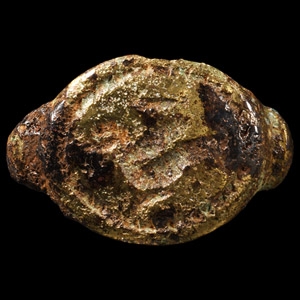
Greek Bronze Ring with Bird
5th-3rd century B.C.Sold for (Inc. bp): £33
The hoop leading to stepped shoulders and an oval-shaped bezel, displaying an incuse bird facing left. 5.49 grams, 23.66 mm overall, 19.10 mm internal diameter (approximate size British N 1/2, USA 6 3/4, Europe 14.35, Japan 13)
UK collection, early 1990s and before. Acquired on the UK art market since the early 2000s. From a private collection, Lancashire, UK.
