
Loading, please wait...
LOT 0602
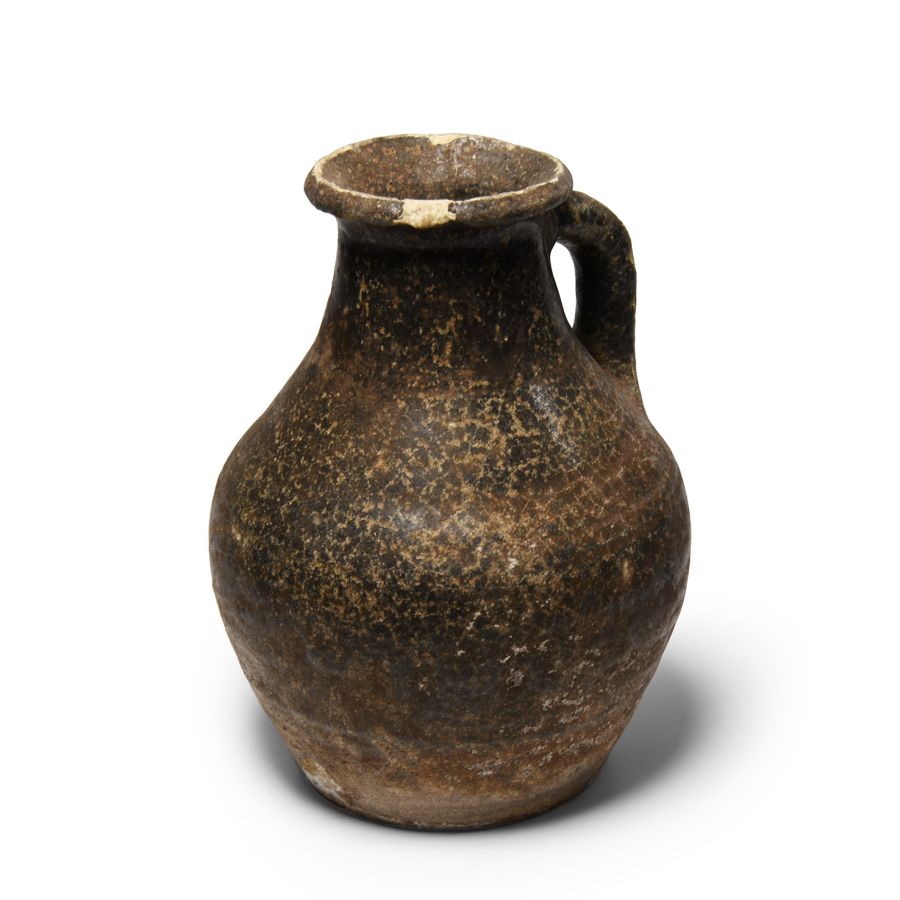
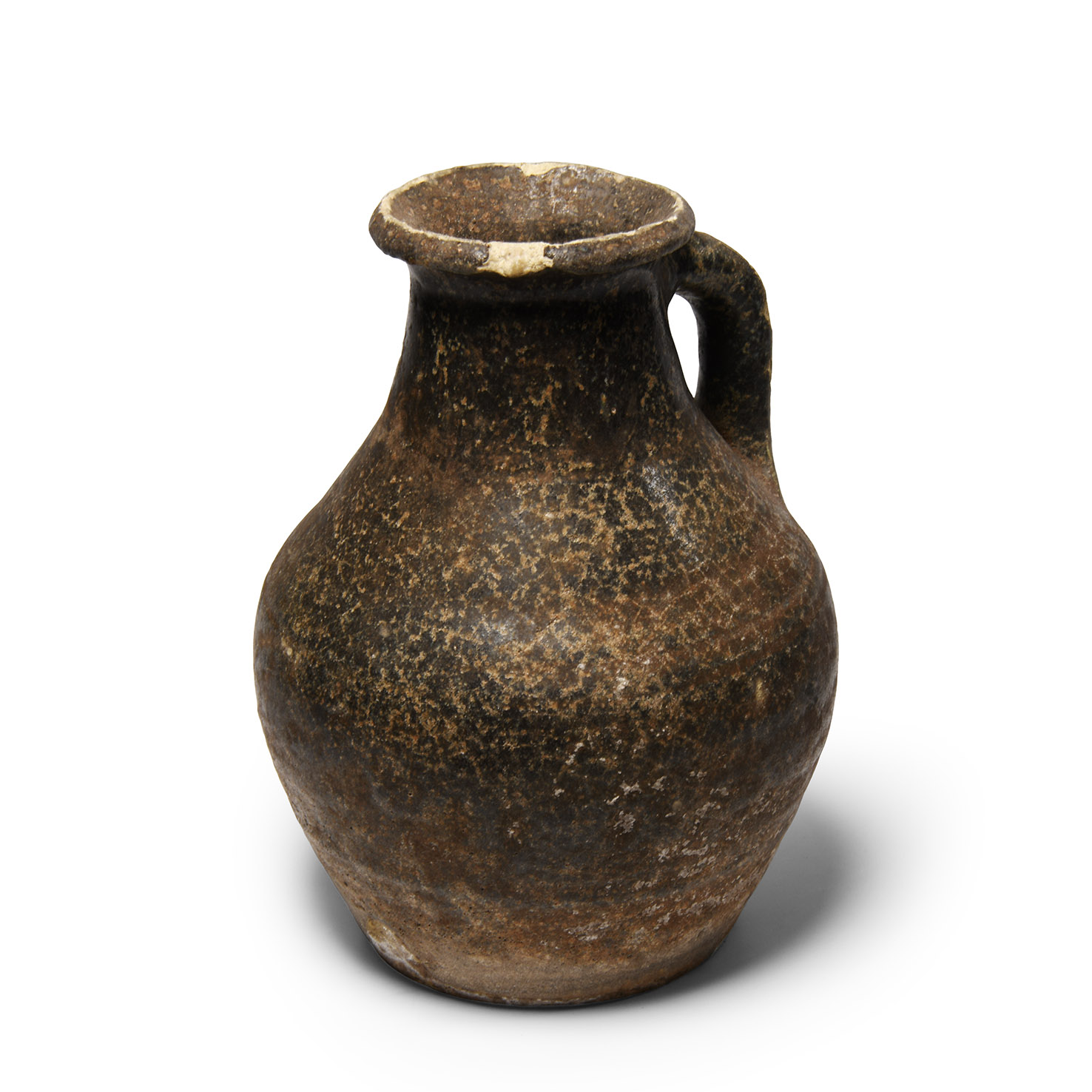
Parthian Glazed Ceramic Jug
1ST CENTURY B.C.-1ST CENTURY A.D.
6 1/2 in. (776 grams, 16.5 cm high).
Speckled glaze; deep shoulder with chamfered rim and strap handle.
ProvenanceAcquired by the vendor's father on the UK art market, before 1990.
LiteratureCf. similar item (with cream glaze) in the Metropolitan Museum of Art, New York, under reference 36.30.41.
CONDITIONTimeLine Auctions follows a vetting process to ensure the authenticity and legality of all items, reinforcing our commitment to integrity and responsible trading. Each antiquity, antique, and coin lot undergoes thorough examination by a vetting committee of at least ten external specialists, professional trade association members, scientists, and archaeologists: Our Vetting Process
AUCTIONS:
TimeLine is a leading auction house specialising in antiquities, ancient art, collectables, natural history, coins, medals, and books. Our auctions offer museums, collectors, historians, and enthusiasts the opportunity to acquire unique and historically significant pieces.
LOT 0602
Parthian Glazed Ceramic Jug
Estimate £150 - 200€170 - 230 (for guidance only)$200 - 270 (for guidance only)
-
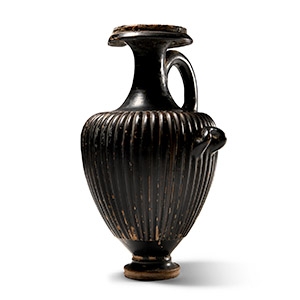
South Italian Black-Glazed Miniature Hydria
4th century B.C.Estimate: £1,200 - 1,700 (‡+bp*)
Opening Bid: £600
Decorated with ribbed fluting around the body and broad shoulder, slender neck with stepped and everted rim and mouth, two handles to the equator, a carry handle between neck and shoulder to the rear, discoid foot; repaired. 232 grams, 16.5 cm high
Private collection. Anonymous sale, Eve Auctions, Paris, December 11, 2013, no.11. -
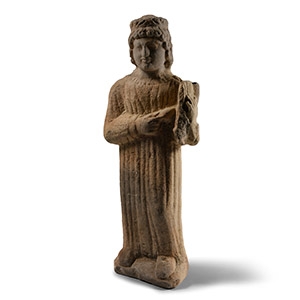
Cypriot Limestone Standing Musician
Circa 5th-4th century B.C.Sold for (Inc. bp): £2,600
Carved in the round, a figure wearing a floor-length robe and holding a stringed instrument in the crook of his left arm and playing it with his right hand; cascading curls of hair frame the face with a diadem to the brow; underside drilled for insertion of a mounting rod. 1.3 kg, 30 cm
with Bonhams, 26 November 1997, no.276. From an important Cambridgeshire estate; thence by descent. -
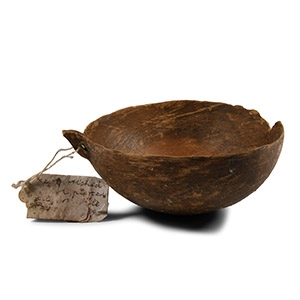
Cypriot Redware Dipper Cup
Middle Bronze Age I-II, circa 2000-1750 B.C.Sold for (Inc. bp): £117
Hemispherical with spur handle below the rim, perced; repaired. 137 grams, 12 cm
Ex Peter Negus collection (1920-2012), a prolific collector who worked in the insurance industry for most of his life. His wife worked for Coutts Bank for many years and they shared an enormous passion for natural history, geology and archaeology, amassing a collection. He was a member of the Geologists’ Association for over 50 years, acting as Treasurer from 1979 to 1988.Acquired from Bonhams, London, 26 October 2007, no.354 (part). From an important Cambridgeshire estate; thence by descent. Accompanied by an old identification tag.
