
Loading, please wait...

LOT 1295
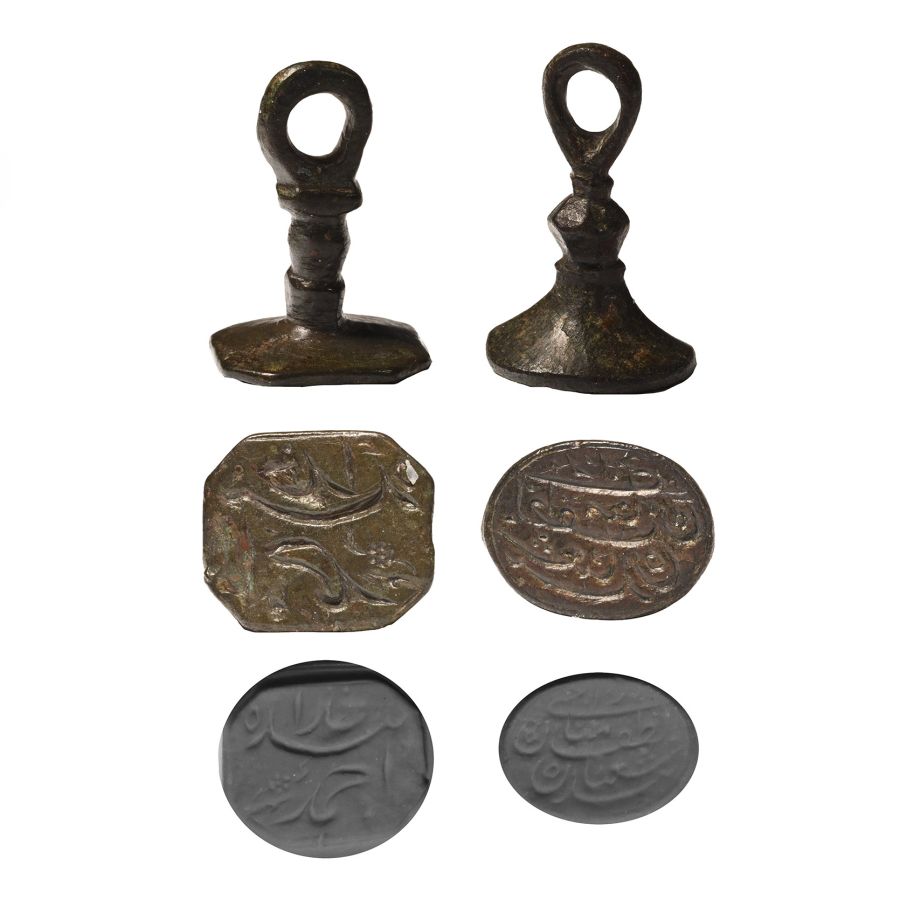
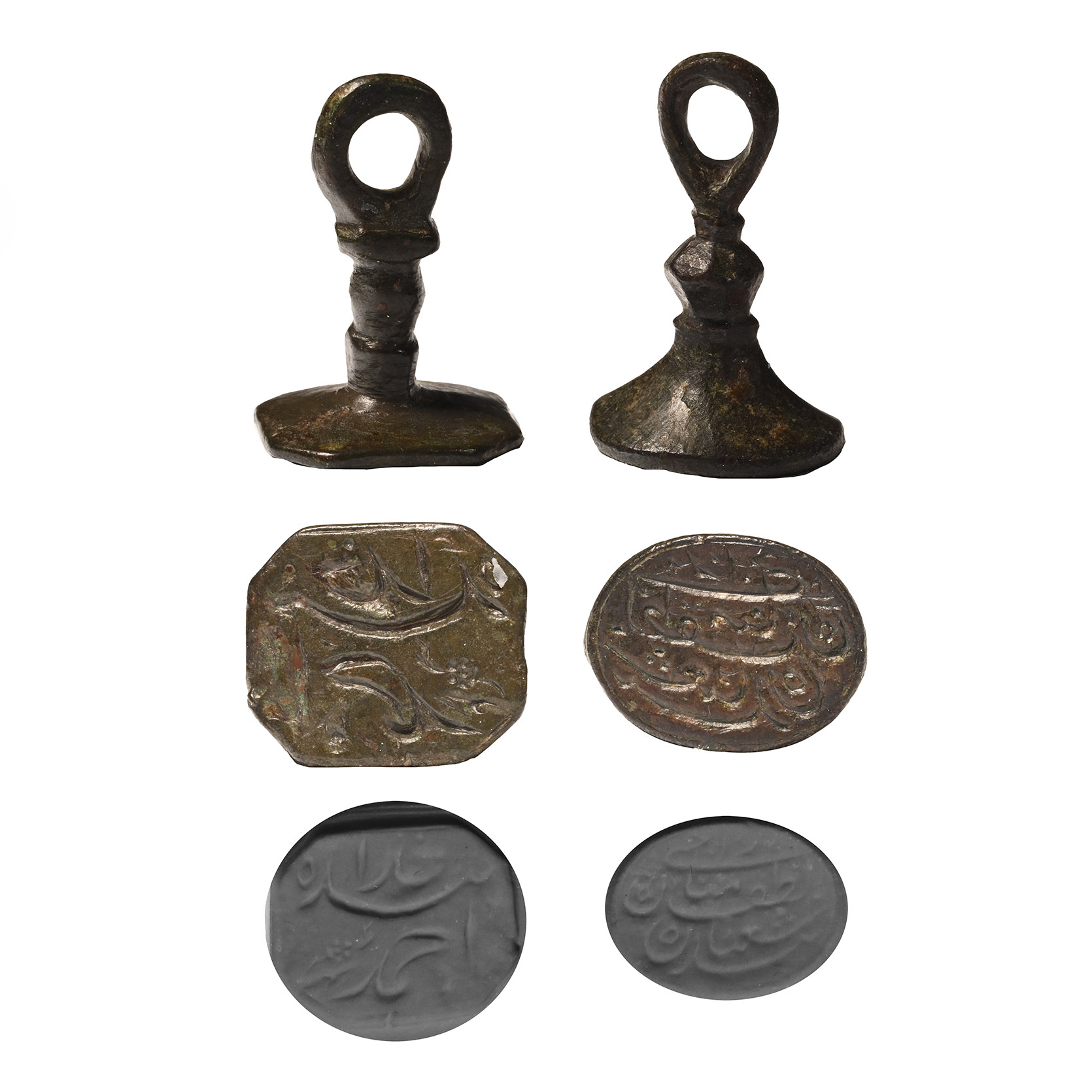
Ottoman Bronze Calligraphic Seal Group
18TH-19TH CENTURY A.D.
3/4 in. (7.59 grams total, 20-21 mm).
One ellipsoid with dense calligraphic text to the underside, the other octagonal with looser epigraphy. [2, No Reserve]
ProvenanceEx German art market, 2000s.
Acquired from an EU collector living in London.
From the collection of Surrey, UK, gentleman.
TimeLine Auctions follows a vetting process to ensure the authenticity and legality of all items, reinforcing our commitment to integrity and responsible trading. Each antiquity, antique, and coin lot undergoes thorough examination by a vetting committee of at least ten external specialists, professional trade association members, scientists, and archaeologists: Our Vetting Process
AUCTIONS:
TimeLine is a leading auction house specialising in antiquities, ancient art, collectables, natural history, coins, medals, and books. Our auctions offer museums, collectors, historians, and enthusiasts the opportunity to acquire unique and historically significant pieces.
-
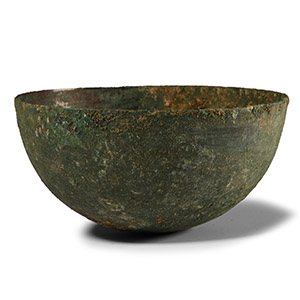
Western Asiatic Bronze Round Cup
2nd-1st millennium B.C.Sold for (Inc. bp): £52
Hemispherical in profile with flat rim. 96 grams total, 10.5 cm
Acquired 1980-2015. Ex Abelita family collection. -
.jpg)
Western Asiatic Mixed Stone and Glass Necklace Bead Collection
1st millennium B.C. and laterSold for (Inc. bp): £234
Comprising a quantity of small beads, in mixed shapes, colours and materials; each pierced for stringing. 88 grams total, 1-15 mm
UK gallery, early 2000s. -
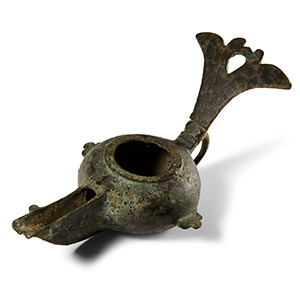
Western Asiatic Bronze Oil Lamp
12th-14th century A.D.Estimate: £200 - 300 (+bp*)
Opening Bid: £100
Comprising an oblate body with lateral trilobe ledge handles, raised rim to filler hole, long nozzle rectangular in plan with lip at forward edge, loop handle to rear and pierced leaf-shaped reflector. 143 grams, 15 cm
Private UK collection. Acquired in the 1980s. Property of a Cambridgeshire gentleman.
