
Loading, please wait...
LOT 1151
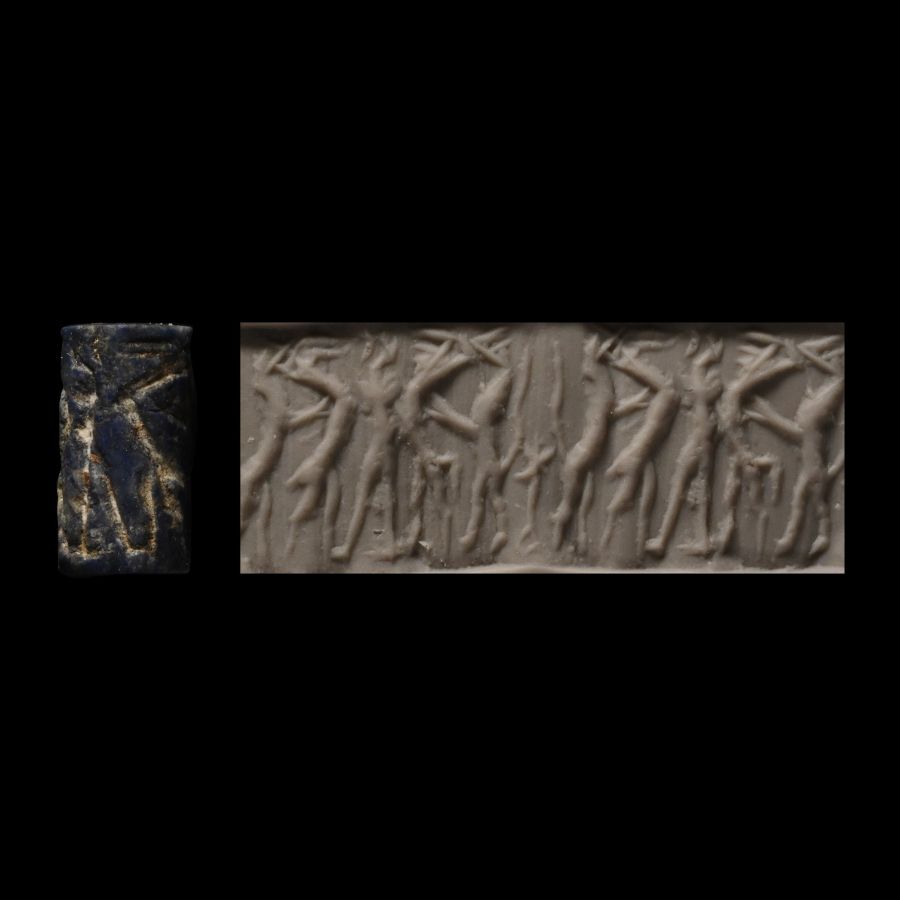
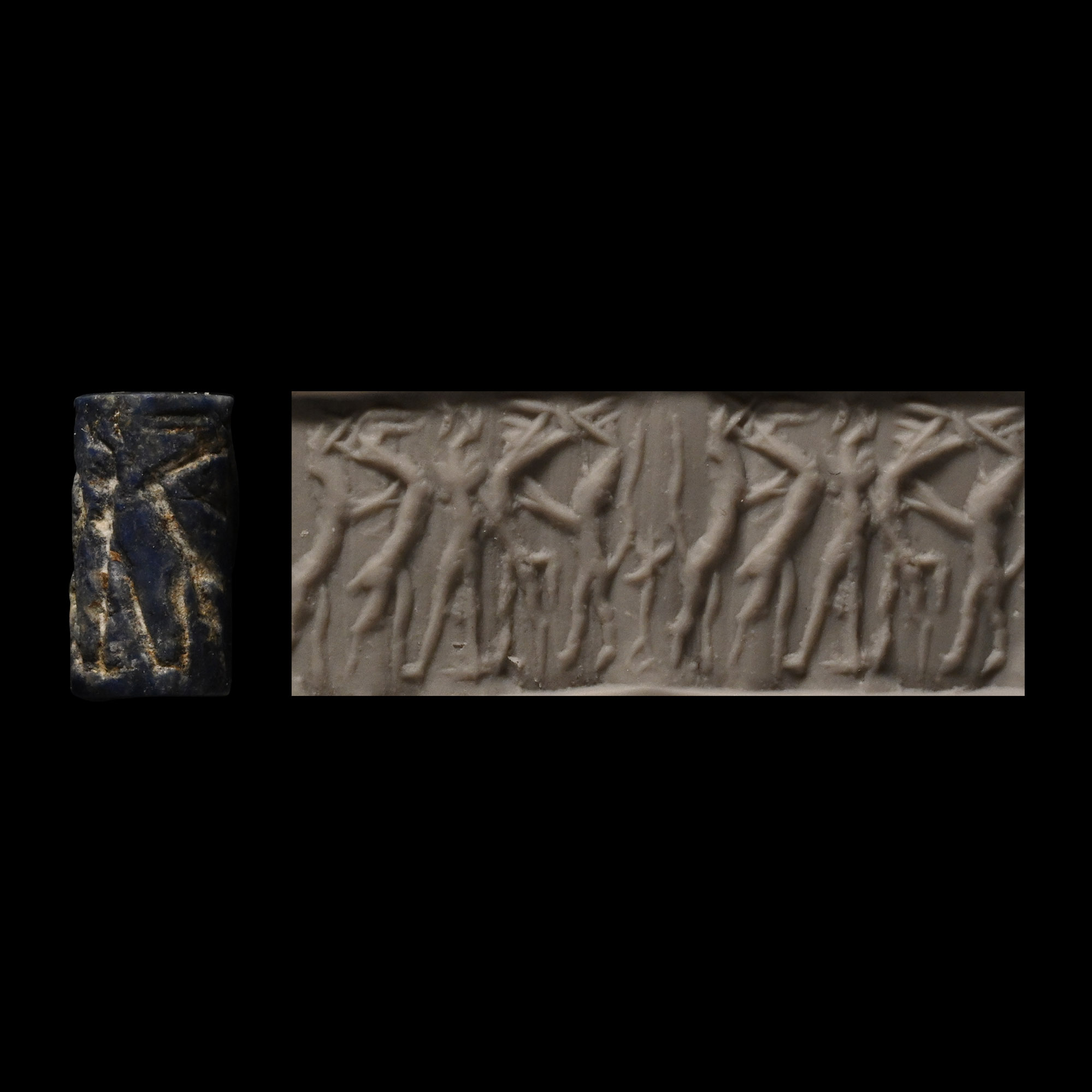
Old Babylonian Lapis Lazuli Cylinder Seal with Animals
2200-2000 B.C.
1/2 in. (1.45 grams, 13.9 mm).
With frieze of leaping and rearing ibexes; supplied with a museum-quality impression.
ProvenanceAcquired in the 1996.
Private collection, Switzerland, thence by descent.
Private collection, since the late 1990s.
This lot has been cleared against the Art Loss Register database, and is accompanied by an illustrated lot declaration signed by the Head of the Antiquities Department, Dr Raffaele D'Amato.
TimeLine Auctions follows a vetting process to ensure the authenticity and legality of all items, reinforcing our commitment to integrity and responsible trading. Each antiquity, antique, and coin lot undergoes thorough examination by a vetting committee of at least ten external specialists, professional trade association members, scientists, and archaeologists: Our Vetting Process
AUCTIONS:
TimeLine is a leading auction house specialising in antiquities, ancient art, collectables, natural history, coins, medals, and books. Our auctions offer museums, collectors, historians, and enthusiasts the opportunity to acquire unique and historically significant pieces.
-
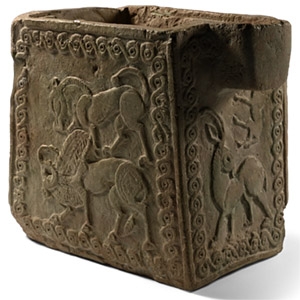
Ziwiye Vessel with Animal Scene
9th-8th century B.C.Sold for (Inc. bp): £780
Rectangular in plan with rectangular spout; side wall with friezes: guilloche border enclosing a lion attacking a zebu; regardant stag with fawn; lioness with cub, fleeing stag; repaired. 1.66 kg, 16.1 cm
Private collection, Europe. with Pierre Bergé & Associés, Paris, 10 October 2017, no.218. This lot has been checked against the Interpol Database of stolen works of art and is accompanied by a search certificate number no.12704-235452. This lot has been cleared against the Art Loss Register database, and is accompanied by an illustrated lot declaration signed by the Head of the Antiquities Department, Dr Raffaele D'Amato. -
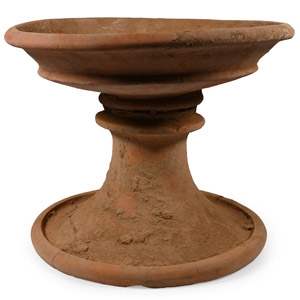
Bactrian Terracotta Chalice
2nd-1st millennium B.C.Sold for (Inc. bp): £65
Comprising a columnar stem flaring to the broad base with carinated rim, collar below the junction with the bowl. 6.5 kg, 25.5 cm
From a West London, UK, collection, 1990s. This lot has been cleared against the Art Loss Register database, and is accompanied by an illustrated lot declaration signed by the Head of the Antiquities Department, Dr Raffaele D'Amato. -
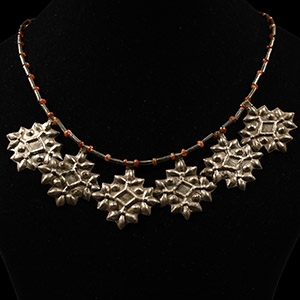
Elamite Carnelian Necklace with Silver Pendants
Late 2nd-early 1st millennium B.C.Estimate: £400 - 600 (+bp*)
Opening Bid: £200
Restrung necklace of sheet-silver tubular beads with interstitial carnelian spacers, six sheet-silver cruciform pendants each with repoussé cross fleury motif. 29.2 grams, 50 cm long
Acquired before 1983. Ex London gallery, 1990s. This lot has been cleared against the Art Loss Register database, and is accompanied by an illustrated lot declaration signed by the Head of the Antiquities Department, Dr Raffaele D'Amato.
