
Loading, please wait...
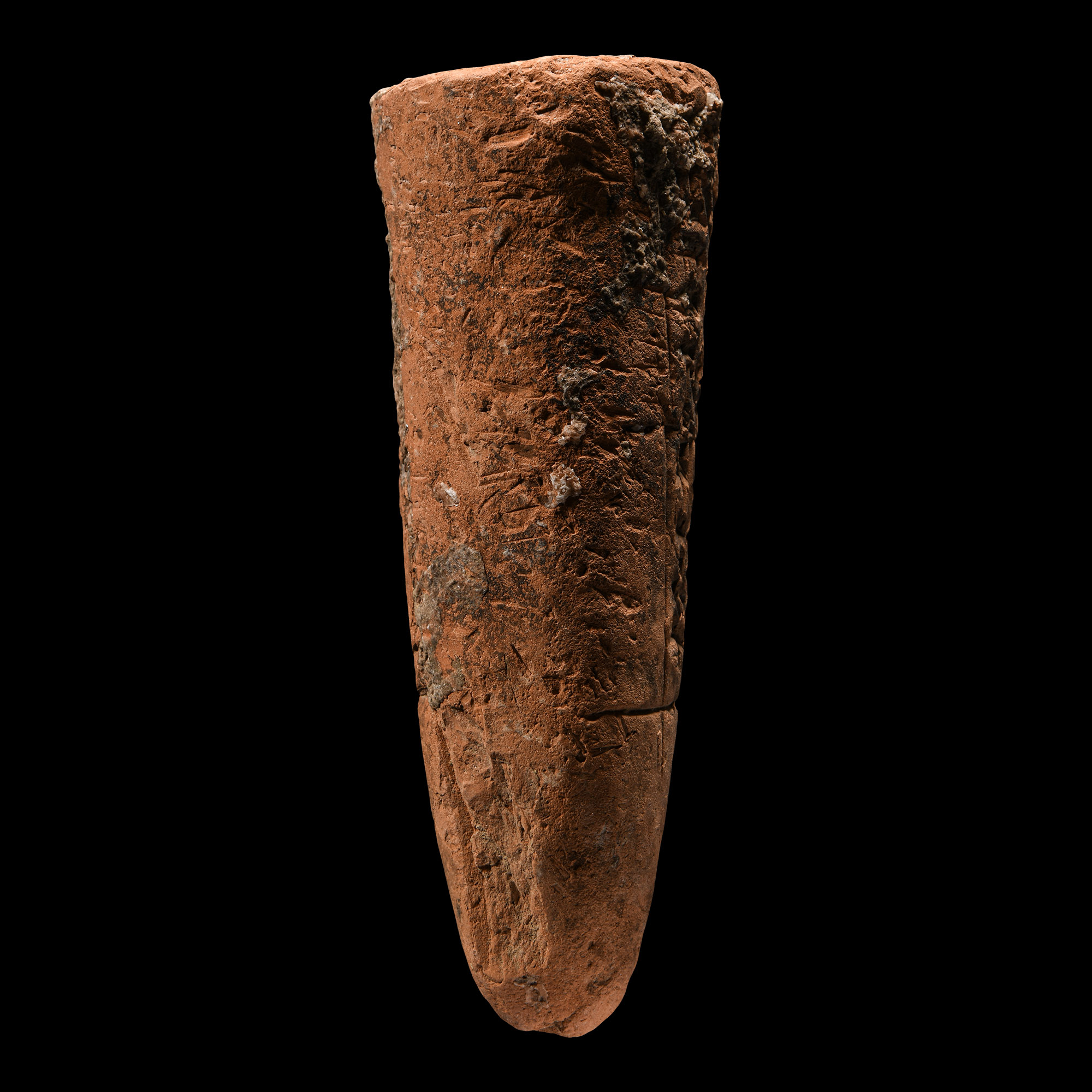
LOT 0238
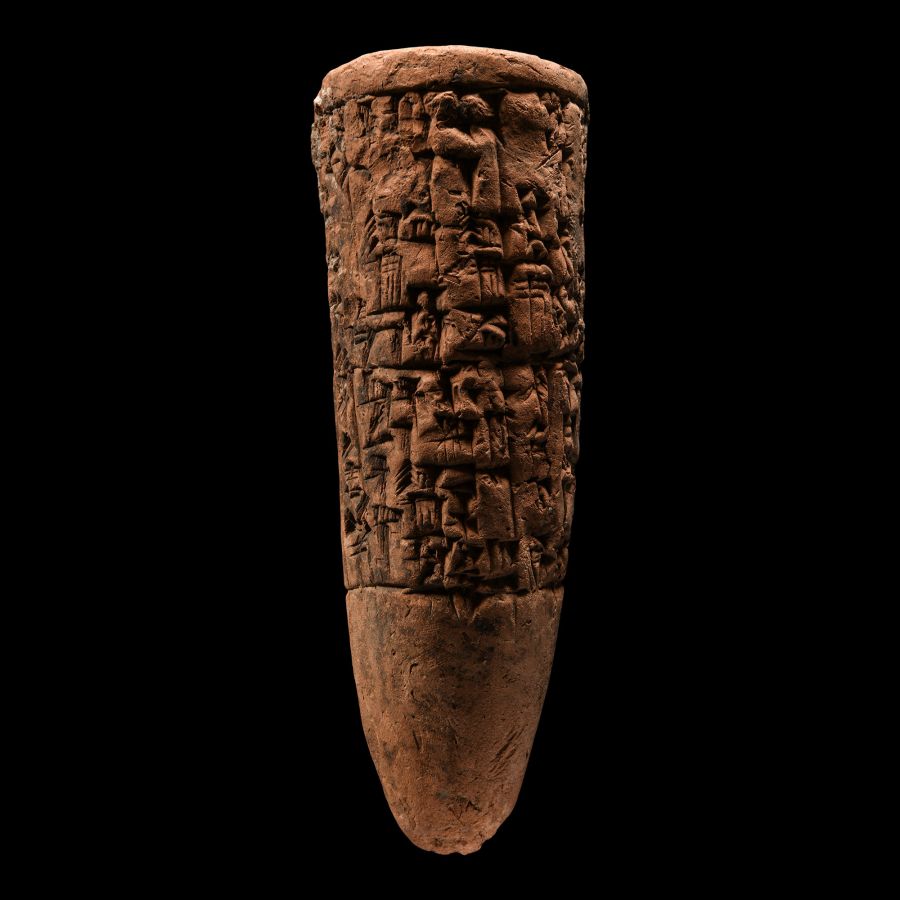
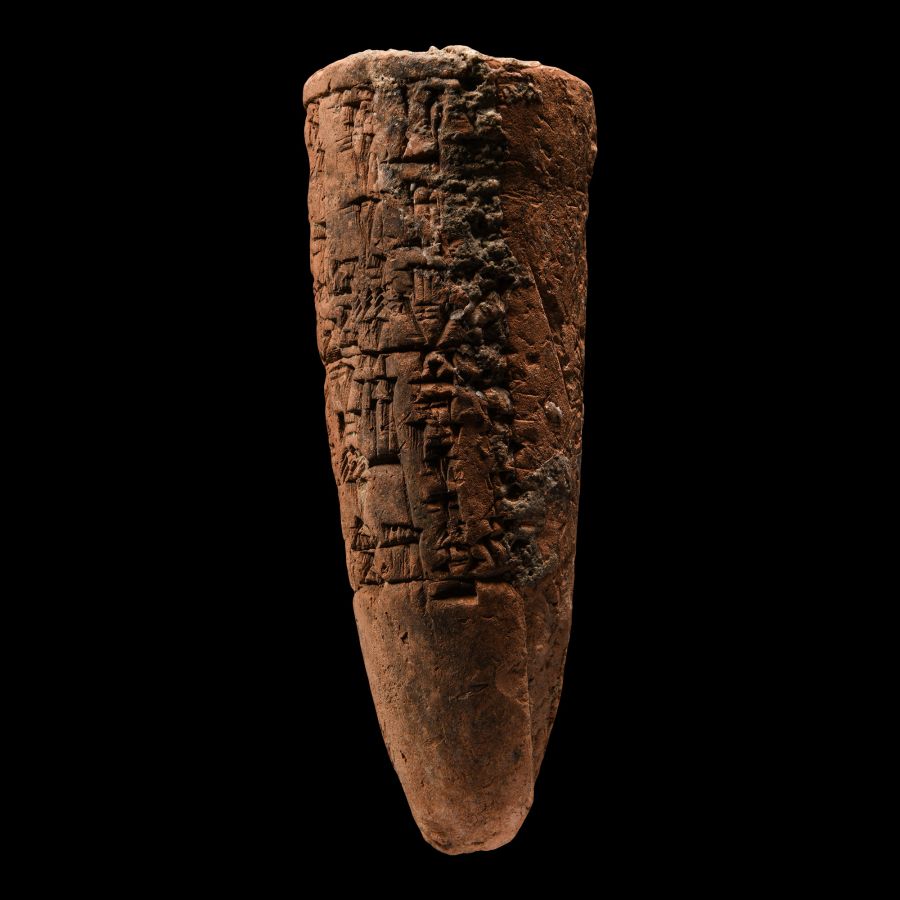
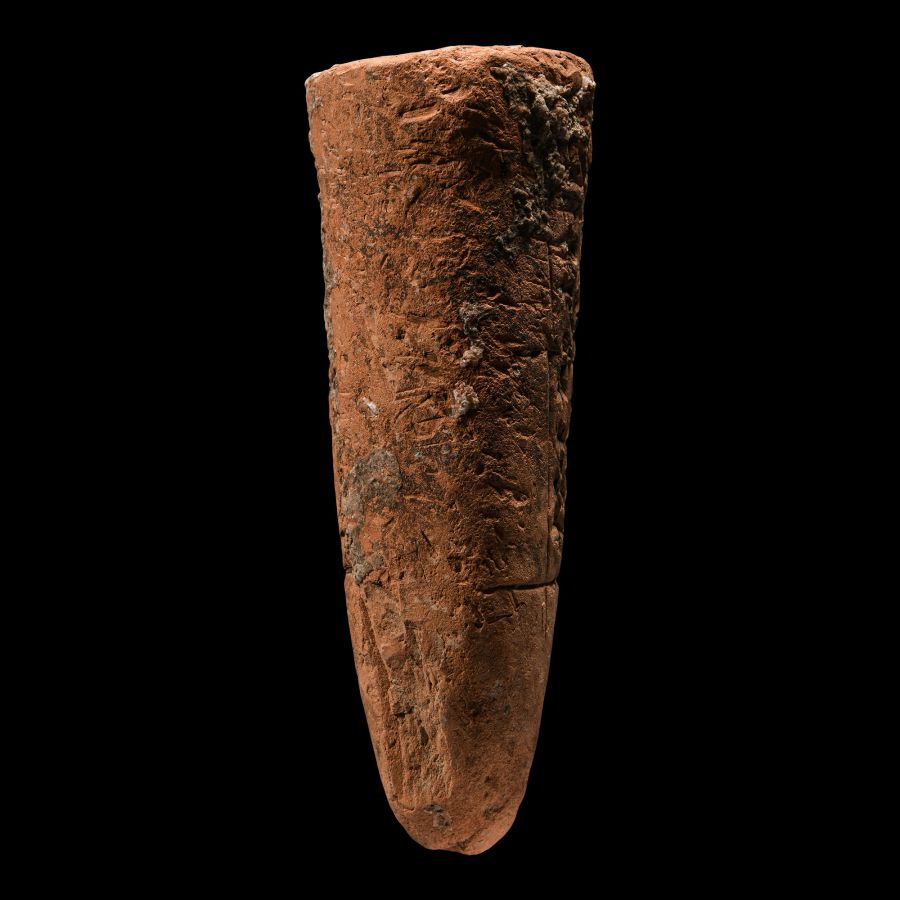
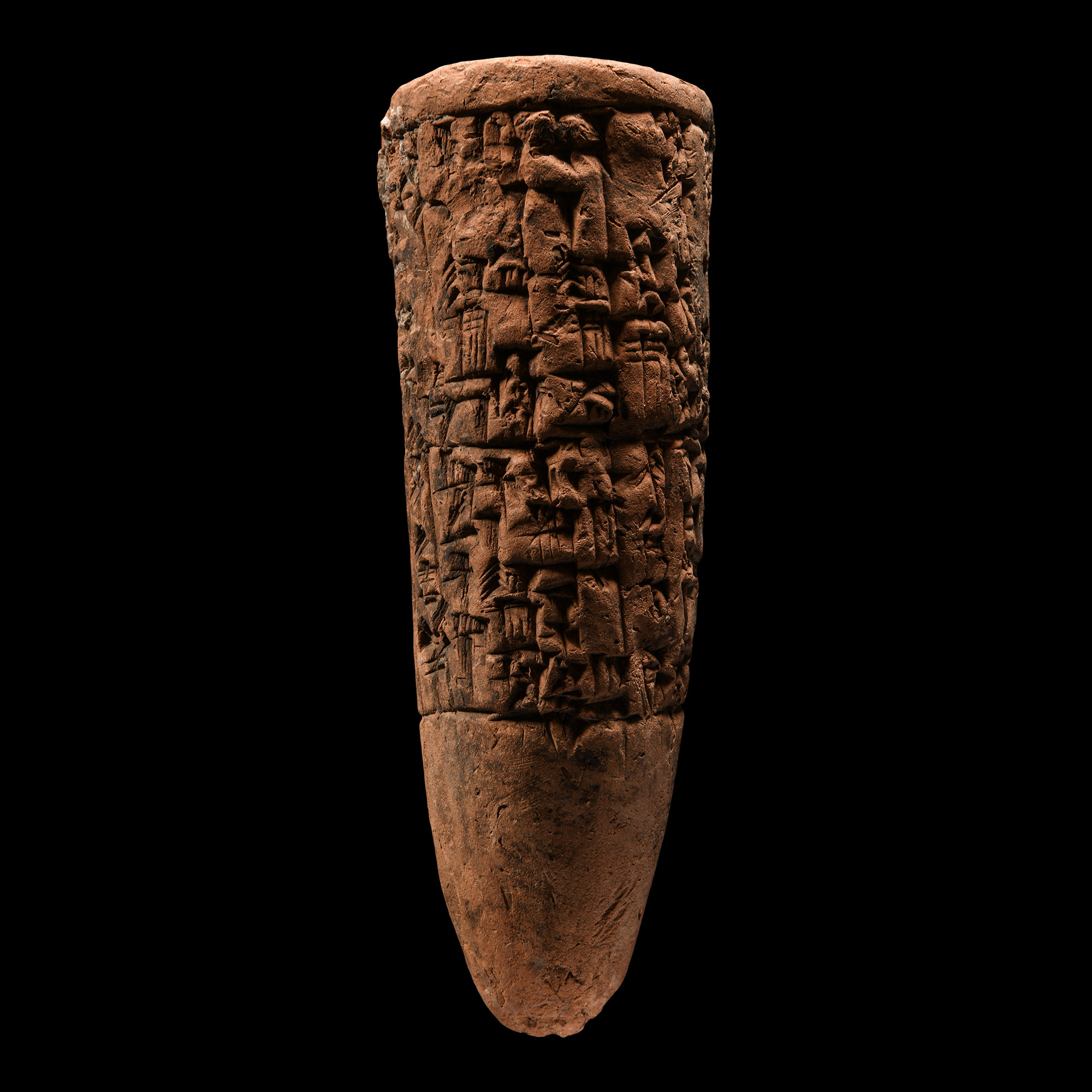
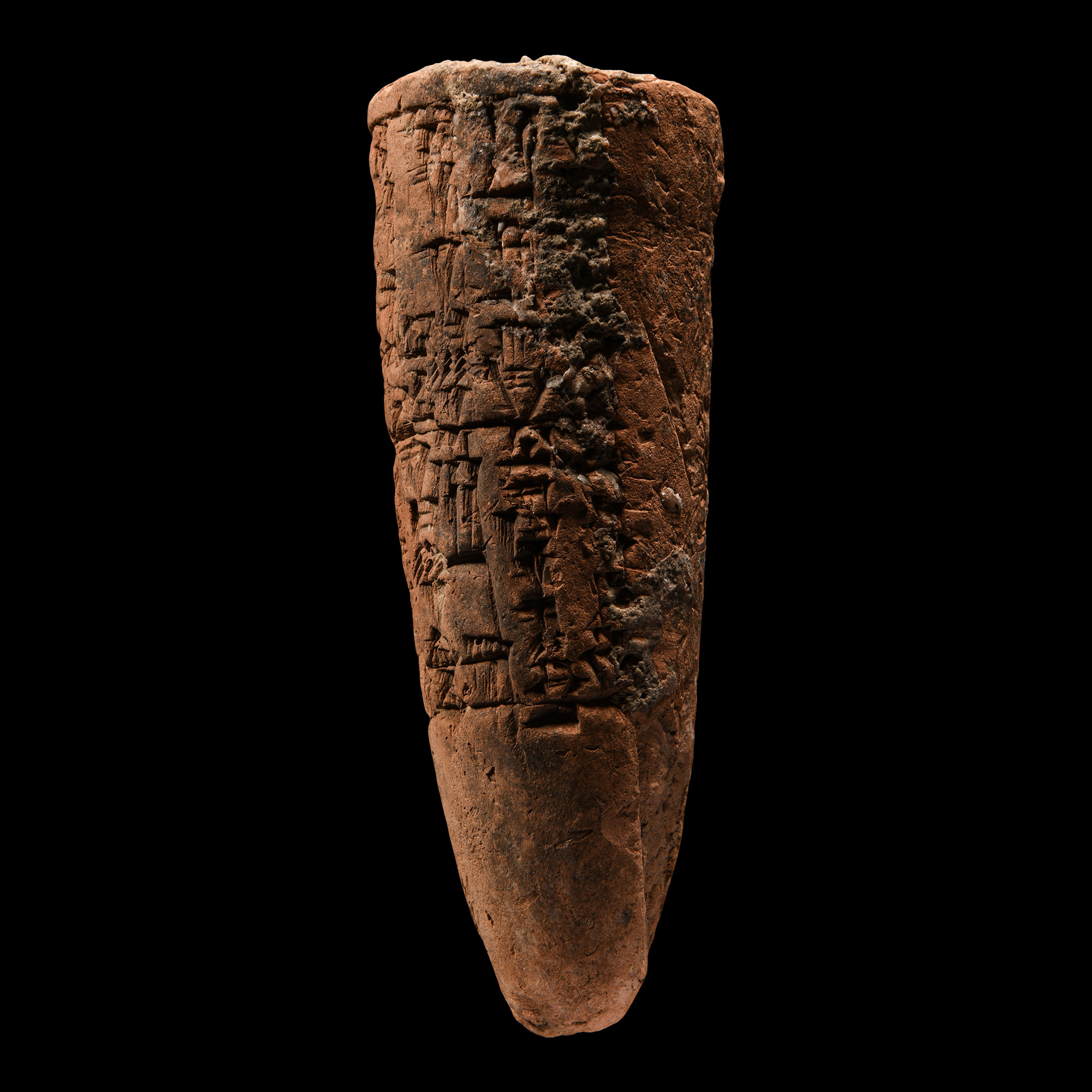
Old Babylonian Clay Cone of Ishme Dagan
CIRCA 20TH-18TH CENTURY B.C.
5 3/4 in. (350 grams, 14.4 cm).
Of conical form with flat base and 18 lines of impressed cuneiform script; Sumerian text denoting a royal name: 'Ishme-Dagan, mighty man, King of Isin, king of the four world regions: when he cancelled the taxes of Nippur, the city beloved of Enlil, and excused its men from military service, he built the city wall of Isin. The name of that wall is Ishme-Dagan.'
ProvenanceFormerly with an ADA member's gallery, 1980-1990s.
From the collection of Dr D Gerrard, Buckinghamshire, UK.
Accompanied by a copy of the original catalogue entry.
TimeLine Auctions follows a vetting process to ensure the authenticity and legality of all items, reinforcing our commitment to integrity and responsible trading. Each antiquity, antique, and coin lot undergoes thorough examination by a vetting committee of at least ten external specialists, professional trade association members, scientists, and archaeologists: Our Vetting Process
AUCTIONS:
TimeLine is a leading auction house specialising in antiquities, ancient art, collectables, natural history, coins, medals, and books. Our auctions offer museums, collectors, historians, and enthusiasts the opportunity to acquire unique and historically significant pieces.
-
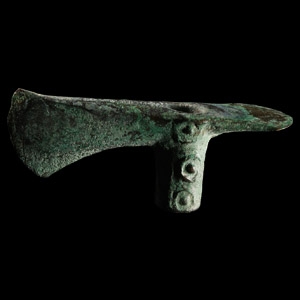
Western Asiatic Bronze Adze-Axe
2nd millennium B.C.Estimate: £200 - 300 (‡+bp*)
Opening Bid: £100
The cylindrical socket displaying three raised dot-in-ring motifs running vertically to both faces, crescentic adze-head to one side, axehead to the other with channel to upper face and slightly flared blade. 621 grams, 16.5 cm
Ex-Architect Moshe Kaufman collection, Tel Aviv. -
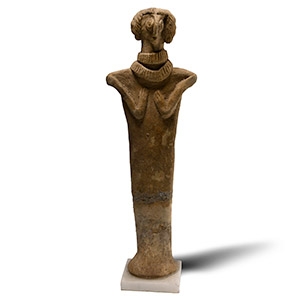
Large Syro-Hittite Terracotta Goddess Idol
1500-500 B.C.Sold for (Inc. bp): £364
Standing female deity (Astarte?), wearing a long cloak and two broad necklaces; arms bent and hands placed on the chest; mounted on a custom-made stand; repaired. 260 grams total, 23 cm high including stand
From a collection acquired on the UK art market from various auction houses and collections mostly before 2000. From an important Cambridgeshire estate; thence by descent. -
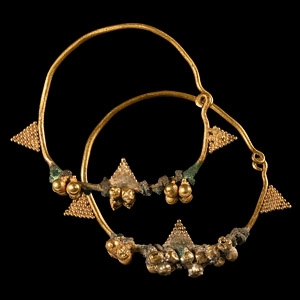
Large Western Asiatic Gold Hoop Earrings
1st millennium B.C.Estimate: £1,000 - 1,400 (+bp*)
Opening Bid: £500
Matched pair, each with radiating granulated triangular plaques and large granule clusters. 20.34 grams total, 62 mm each
From a late Japanese specialist collector, 1970-2000s.
