
Loading, please wait...
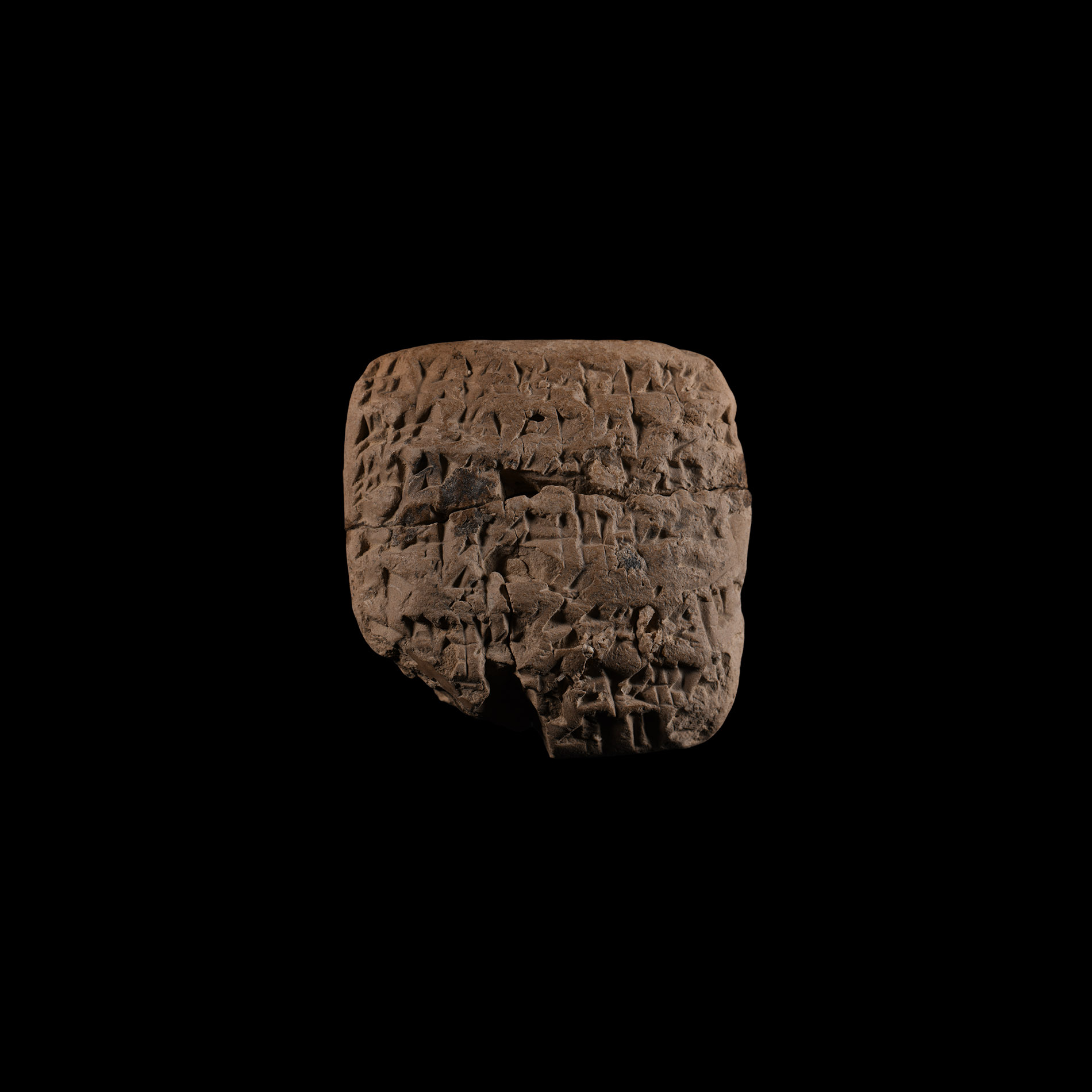
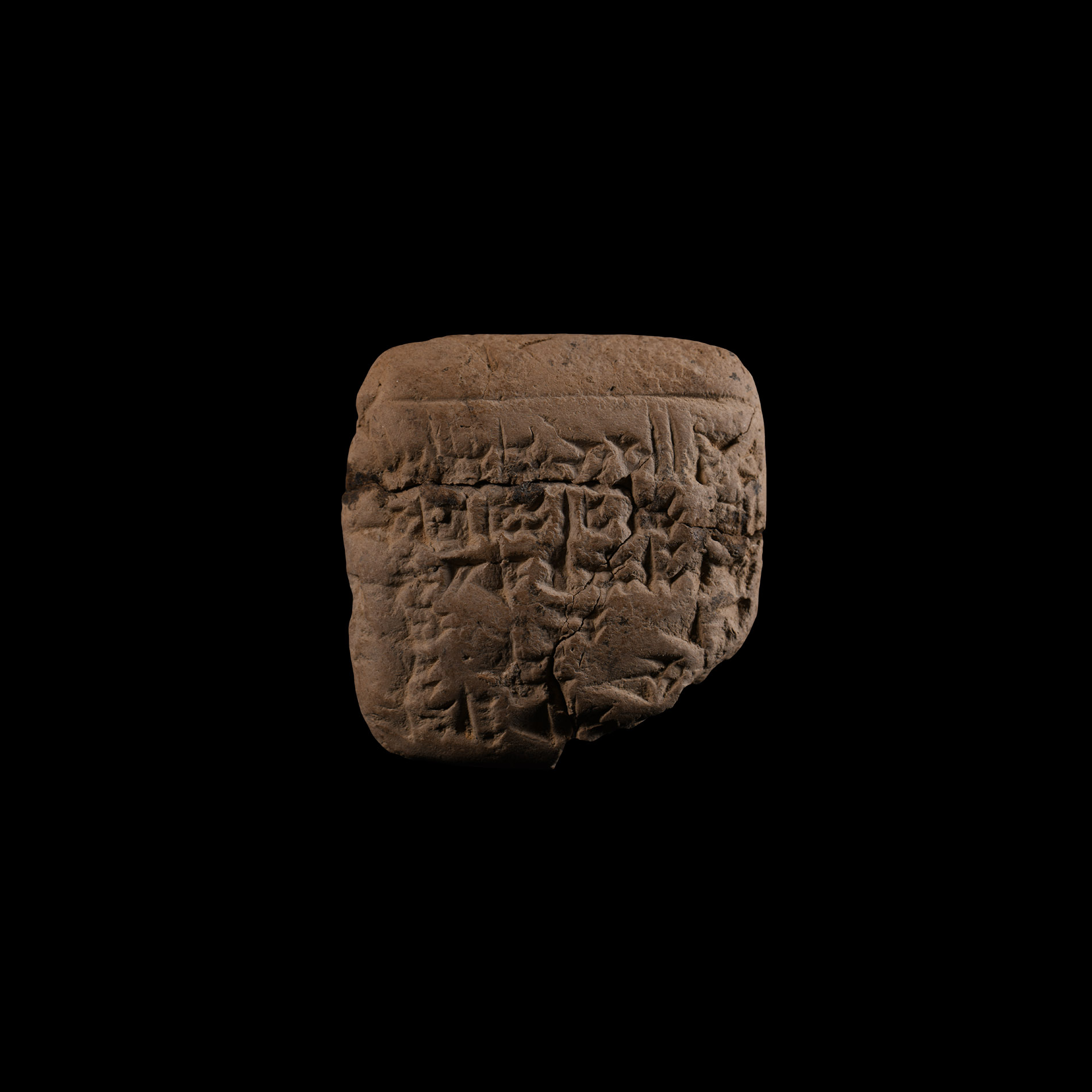
LOT 0854
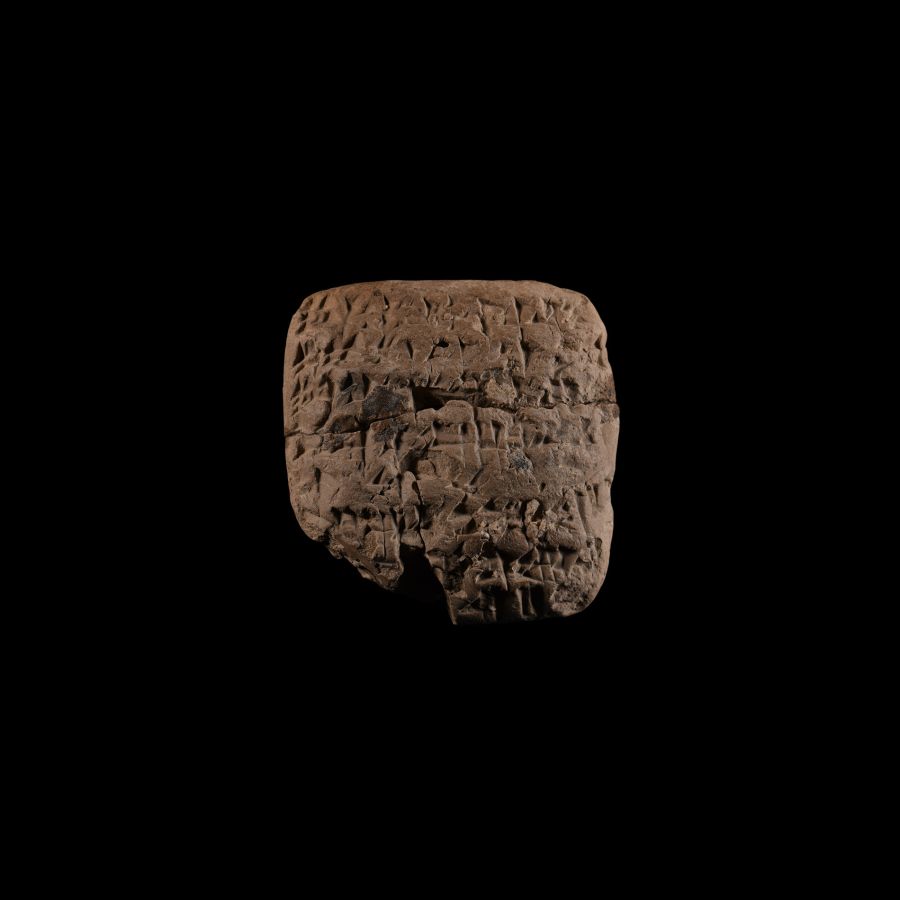
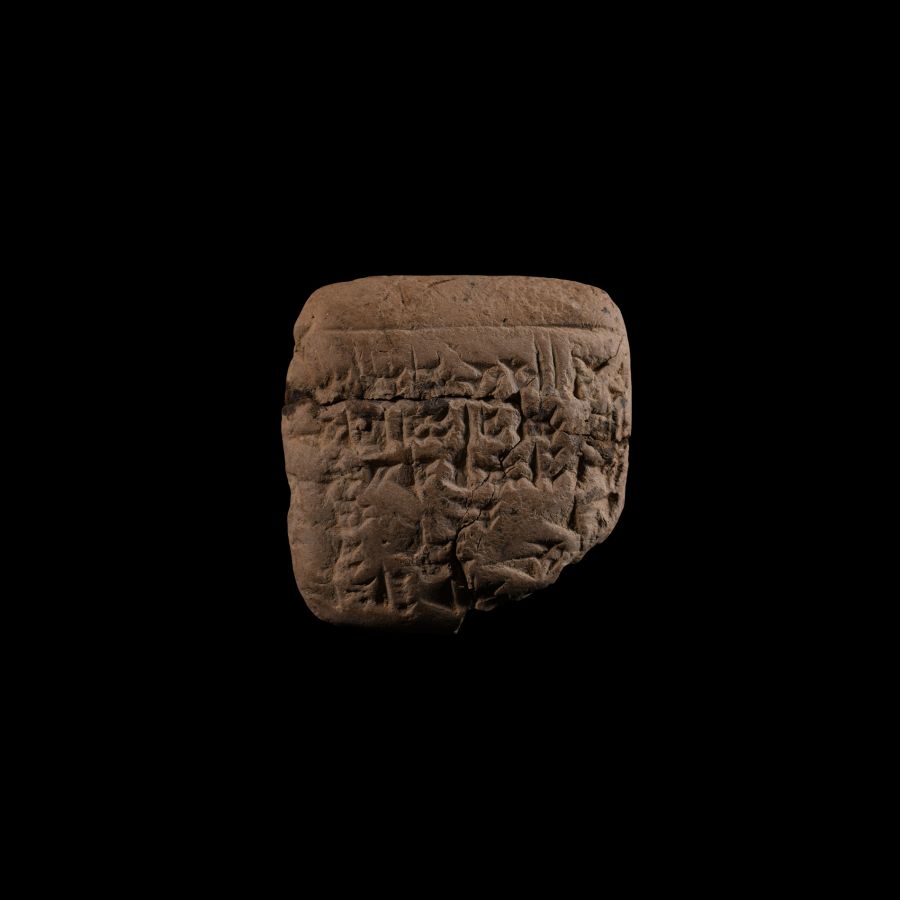
Old Babylonian Cassite Clay Cuneiform Letter
CIRCA 1600-1200 B.C.
2 in. (50.6 grams, 49 mm).
Written on two faces of the tablet; lentoid cross-section; accompanied by a handwritten and signed scholarly note issued by the late W.G. Lambert, Professor of Assyriology at the University of Birmingham, 1970-1993, which states: '3 Cassite Babylonian letters, 1600-1200 B.C.'
ProvenanceSpecialised collection of cuneiform texts, the property of a London gentleman and housed in London before 1992.
Thence by descent to family members.
Examined by Professor Wilfrid George Lambert FBA (1926-2011), historian, archaeologist, and specialist in Assyriology and Near Eastern archaeology, in the late 1980s and early 1990s.
The collection is exceptional for the variety of types, including some very rare and well preserved examples.
Accompanied by a hand written note signed by Professor Wilfrid George Lambert.
TimeLine Auctions follows a vetting process to ensure the authenticity and legality of all items, reinforcing our commitment to integrity and responsible trading. Each antiquity, antique, and coin lot undergoes thorough examination by a vetting committee of at least ten external specialists, professional trade association members, scientists, and archaeologists: Our Vetting Process
AUCTIONS:
TimeLine is a leading auction house specialising in antiquities, ancient art, collectables, natural history, coins, medals, and books. Our auctions offer museums, collectors, historians, and enthusiasts the opportunity to acquire unique and historically significant pieces.
-
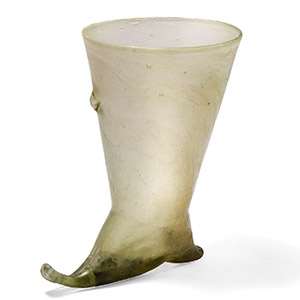
Sassanian Glass Rhyton-Style Vessel
Circa 3rd-5th century A.D.Estimate: £450 - 650 (+bp*)
Opening Bid: £243
The tapering sidewalls and foot formed as a stylised shoe or boot; iridescent surfaces. 86 grams, 11.2 cm high
French collection, 1960s-early 2000s. From an important Paris gallery, France. with Vermot & Associés, Paris, France, 16 November 2019, lot 44. -
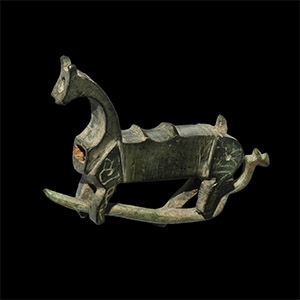
Western Asiatic Bronze Horse Padlock
14th-16th century A.D.Sold for (Inc. bp): £169
Formed as a standing beast with decorative panels to the hips and shoulders, holes to the chest and head, bar with spur and second beast-head. 21.3 grams, 50 mm
Very fine condition.
Acquired on the European art market in the 1990s. Ex property of a Suffolk collector. -
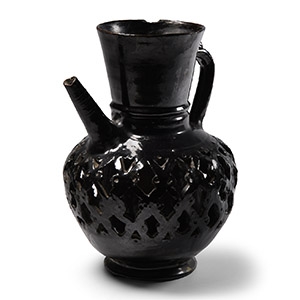
Western Asiatic Black-Glazed Ewer
12th-13th century A.D.Estimate: £300 - 400 (+bp*)
Opening Bid: £150
Piriform in shape with flared neck and tapering cylindrical spout; decorative piercing to body, restored. 815 grams, 22 cm
Heavily restored.
Acquired 1960s-1970s. Old stock-number to base. From a UK private collection, 1981.
