
Loading, please wait...
LOT 0900
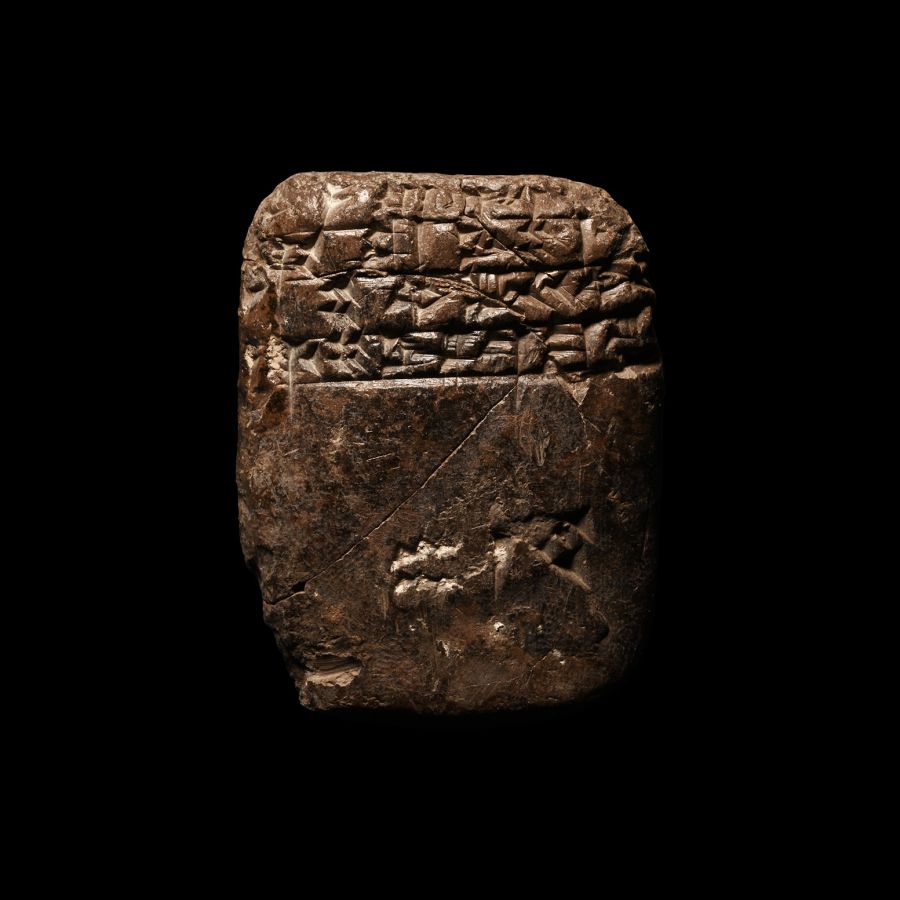
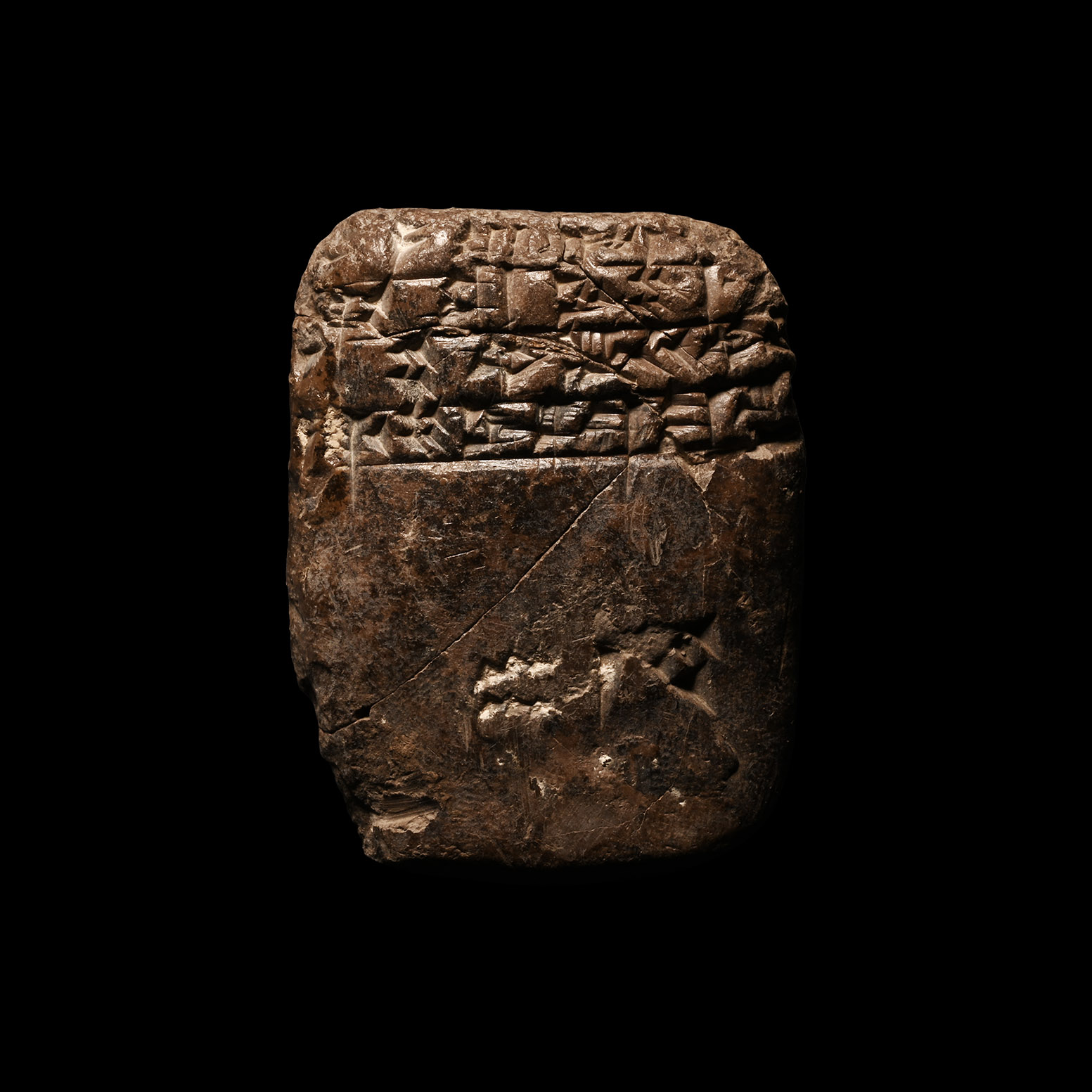
Old Babylonian Administrative Text Clay Cuneiform Tablet for the Distribution of Barley Rations
CIRCA 2ND MILLENNIUM B.C.
2 in. (43.9 grams, 52 mm).
Roughly pillow-shaped in form and bearing cuneiform text to one face; repaired. [No Reserve]
ProvenanceSpecialised collection of cuneiform texts, the property of a London gentleman and housed in London before 1992.
Thence by descent to family members.
Examined by Professor Wilfrid George Lambert FBA (1926-2011), historian, archaeologist, and specialist in Assyriology and Near Eastern archaeology, in the late 1980s and early 1990s.
This small collection is exceptional for the variety of types, including some very rare and well preserved examples.
TimeLine Auctions follows a vetting process to ensure the authenticity and legality of all items, reinforcing our commitment to integrity and responsible trading. Each antiquity, antique, and coin lot undergoes thorough examination by a vetting committee of at least ten external specialists, professional trade association members, scientists, and archaeologists: Our Vetting Process
AUCTIONS:
TimeLine is a leading auction house specialising in antiquities, ancient art, collectables, natural history, coins, medals, and books. Our auctions offer museums, collectors, historians, and enthusiasts the opportunity to acquire unique and historically significant pieces.
LOT 0900
Old Babylonian Administrative Text Clay Cuneiform Tablet for the Distribution of Barley Rations
Sold for (Inc. bp): £1,300
-
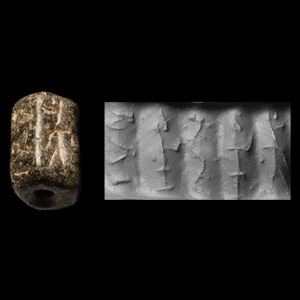
Sumerian Black Chlorite Cylinder Seal
3rd millennium B.C.Estimate: £200 - 300 (+bp*)
Opening Bid: £100
Pentagonal in form and depicting a human or animal figure to each facet together with a panel of possible text; drilled vertically for suspension; accompanied by a museum-quality impression. 4.05 grams, 18 mm
Acquired 1980-1990s. Ex West Country, UK, collection. Examined by Professor Wilfrid George Lambert FBA (1926-2011), historian, archaeologist, and specialist in Assyriology and Near Eastern archaeology. -
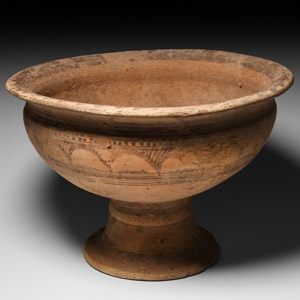
Western Asiatic Terracotta Chalice
1st millennium B.C.Sold for (Inc. bp): £234
Composed of a bowl with convex wall, everted rim and splayed foot; painted with a frieze of geometric motifs to the exterior and rim interior; repaired. 1.3 kg, 25 cm wide
Fine condition, base repaired.
Acquired 1970s-1990s. Ex Pars Gallery, Mayfair, London, UK. From a specialist collection of pottery. -
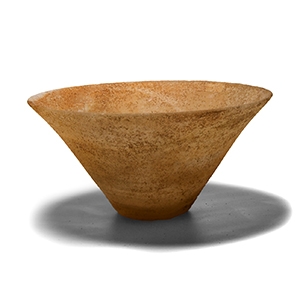
Western Asiatic Veined Alabaster Bowl
1st millennium B.C.Sold for (Inc. bp): £117
Of conical form with flared rim. 181 grams, 12.6 cm wide
Acquired 1960s-1990s. Late Alison Barker collection, a retired London barrister.
