
Loading, please wait...
LOT 2541
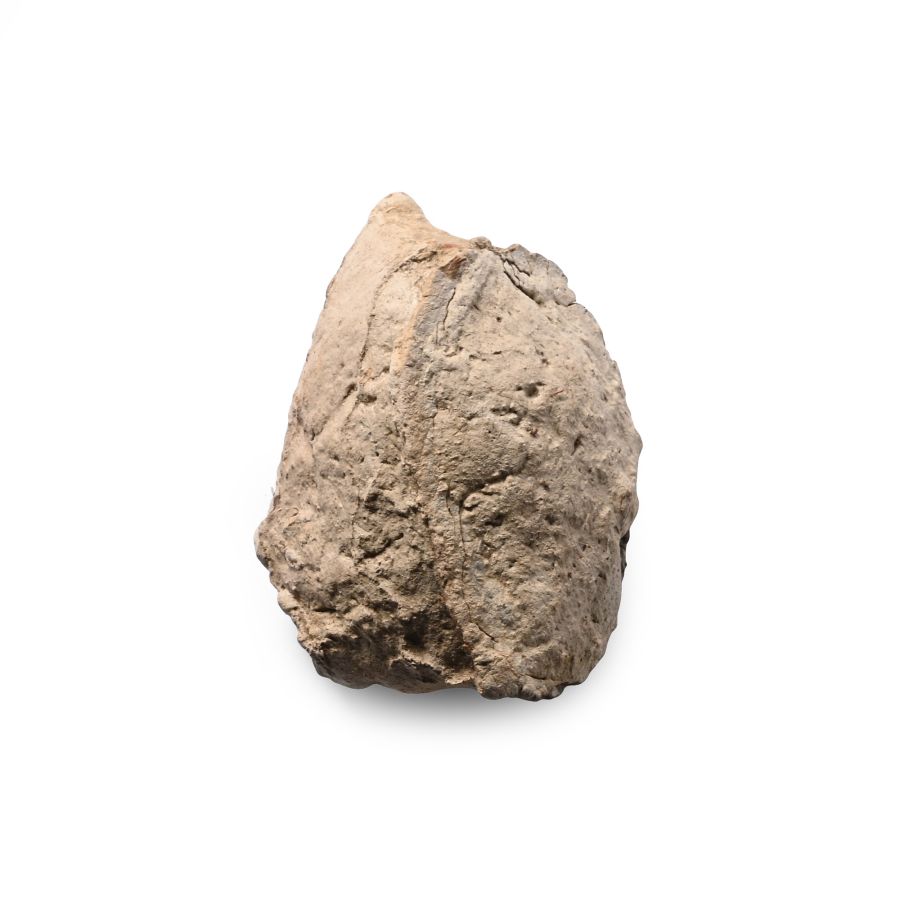
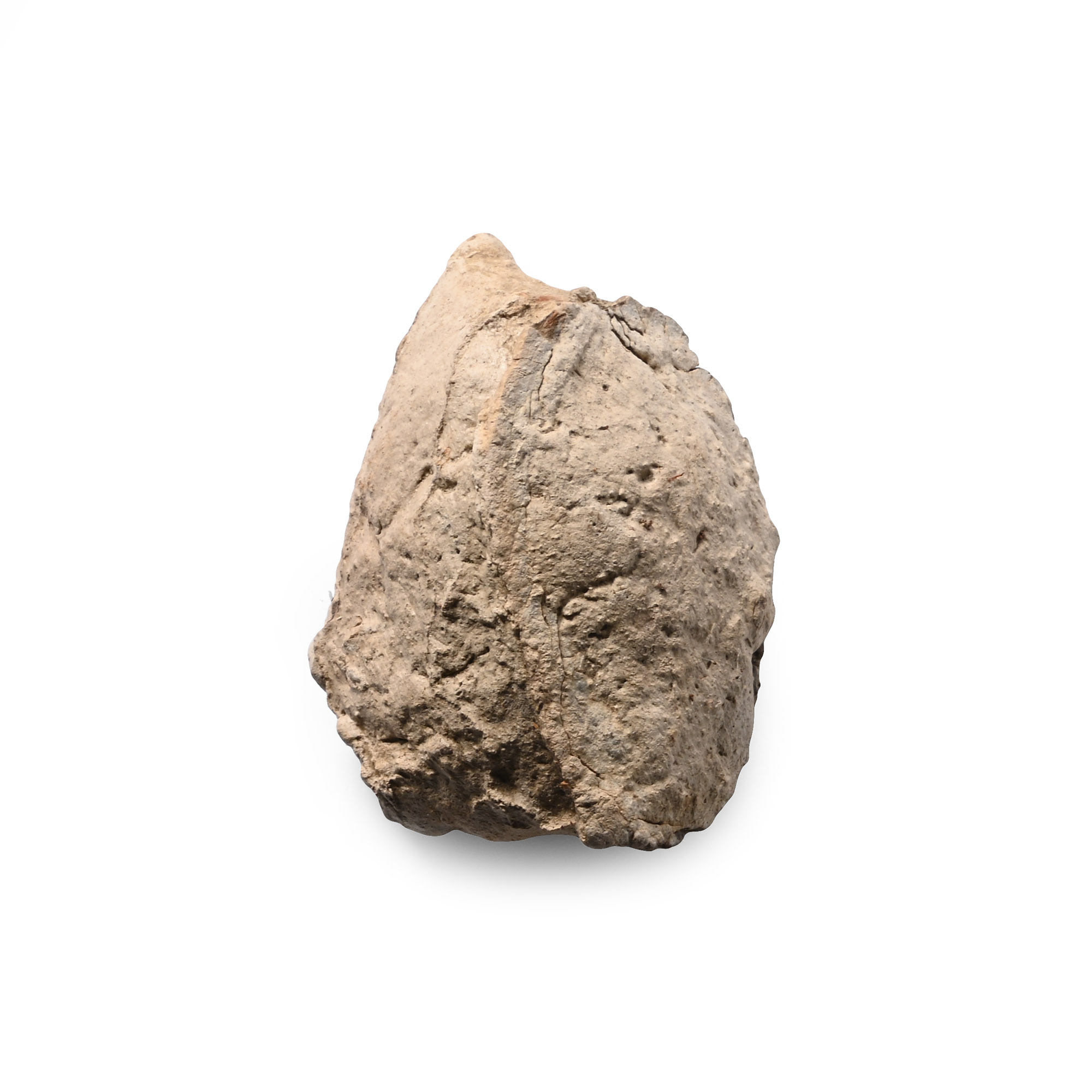
North American Fossil Tyrannosaurus Rex Dinosaur Coprolite
LATE CRETACEOUS PERIOD, CIRCA 70-66.5 MILLION YEARS B.P.
2 1/4 in. (72 grams, 57 mm).
An irregular mass of fossilised dung. [No Reserve]
ProvenanceFrom a Lincolnshire, UK, collection.
CONDITIONTimeLine Auctions follows a vetting process to ensure the authenticity and legality of all items, reinforcing our commitment to integrity and responsible trading. Each antiquity, antique, and coin lot undergoes thorough examination by a vetting committee of at least ten external specialists, professional trade association members, scientists, and archaeologists: Our Vetting Process
AUCTIONS:
TimeLine is a leading auction house specialising in antiquities, ancient art, collectables, natural history, coins, medals, and books. Our auctions offer museums, collectors, historians, and enthusiasts the opportunity to acquire unique and historically significant pieces.
LOT 2541
North American Fossil Tyrannosaurus Rex Dinosaur Coprolite
Sold for (Inc. bp): £72
-
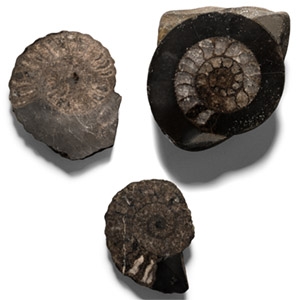
Cut and Polished Fossil Ammonite Group
Jurassic Period, circa 180 million years B.P.Sold for (Inc. bp): £20
Comprising three ammonite halves, possibly Dactylioceras commune. 651 grams total, 7.3-10 cm
Ex Mineral Imports, London, UK. Gregory, Bottley & Lloyd (Gregory's), Harwich, UK. -
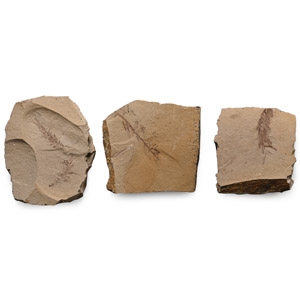
Fossil Metasequoia Fern Group
Eocene Period, circa 58 million years B.P.Sold for (Inc. bp): £20
Comprising three irregular matrices, each with 'Dawn Redwood' specimen. 118 grams total, 50-60 mm
From a Lincolnshire, UK, collection. -
![Boxed Quality Crystal Mineral Specimen Collection [3]](https://timelineauctions.com/upload/images/items/small/228174-s.jpg)
Boxed Quality Crystal Mineral Specimen Collection [3]
Sold for (Inc. bp): £33
Each in a labelled box, comprising: pyrite from Huanuco, Peru; amethyst from Rio Grande do Sul, Brazil; specularite with quartz from Florence Mine, Cumbria, England. 415 grams total, 54-71 mm
Ex Mineral Imports, London, UK. Gregory, Bottley & Lloyd (Gregory's), Harwich, UK.
