
Loading, please wait...
LOT 0317
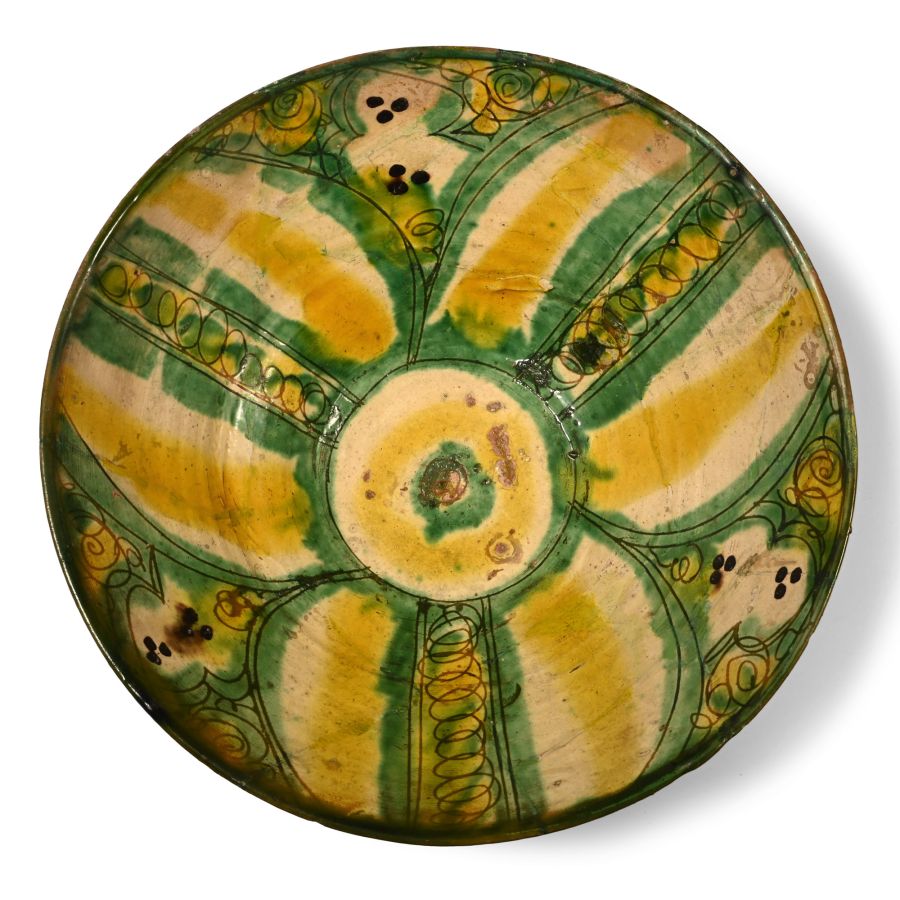
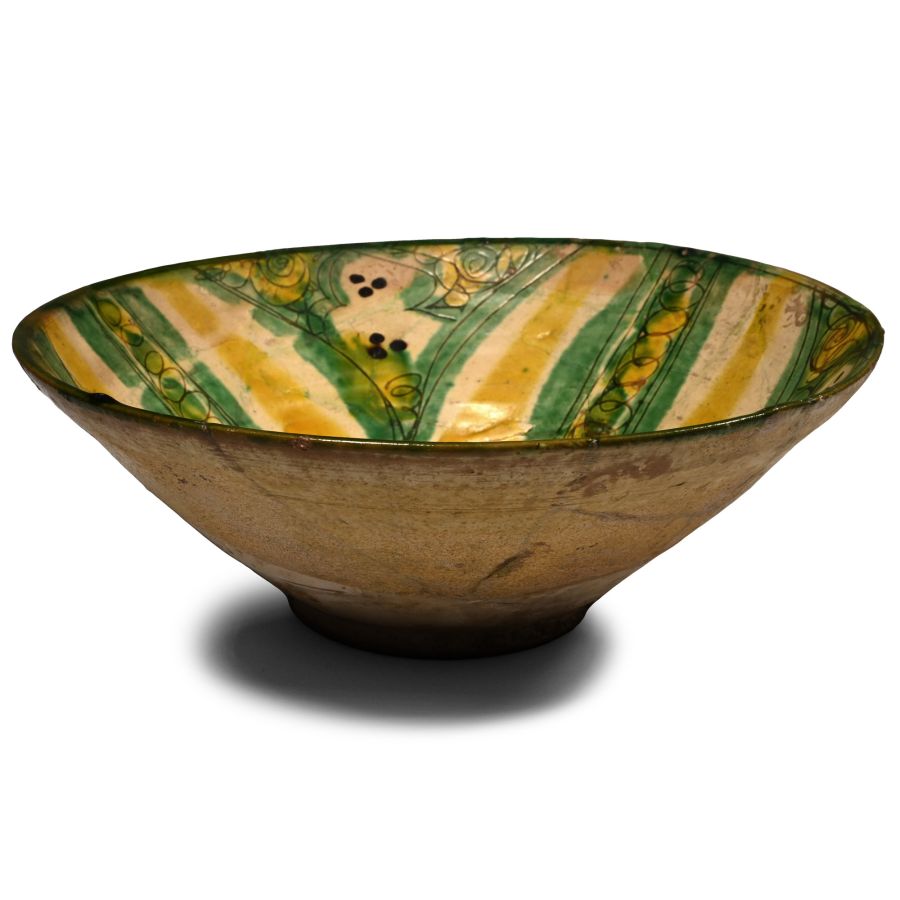
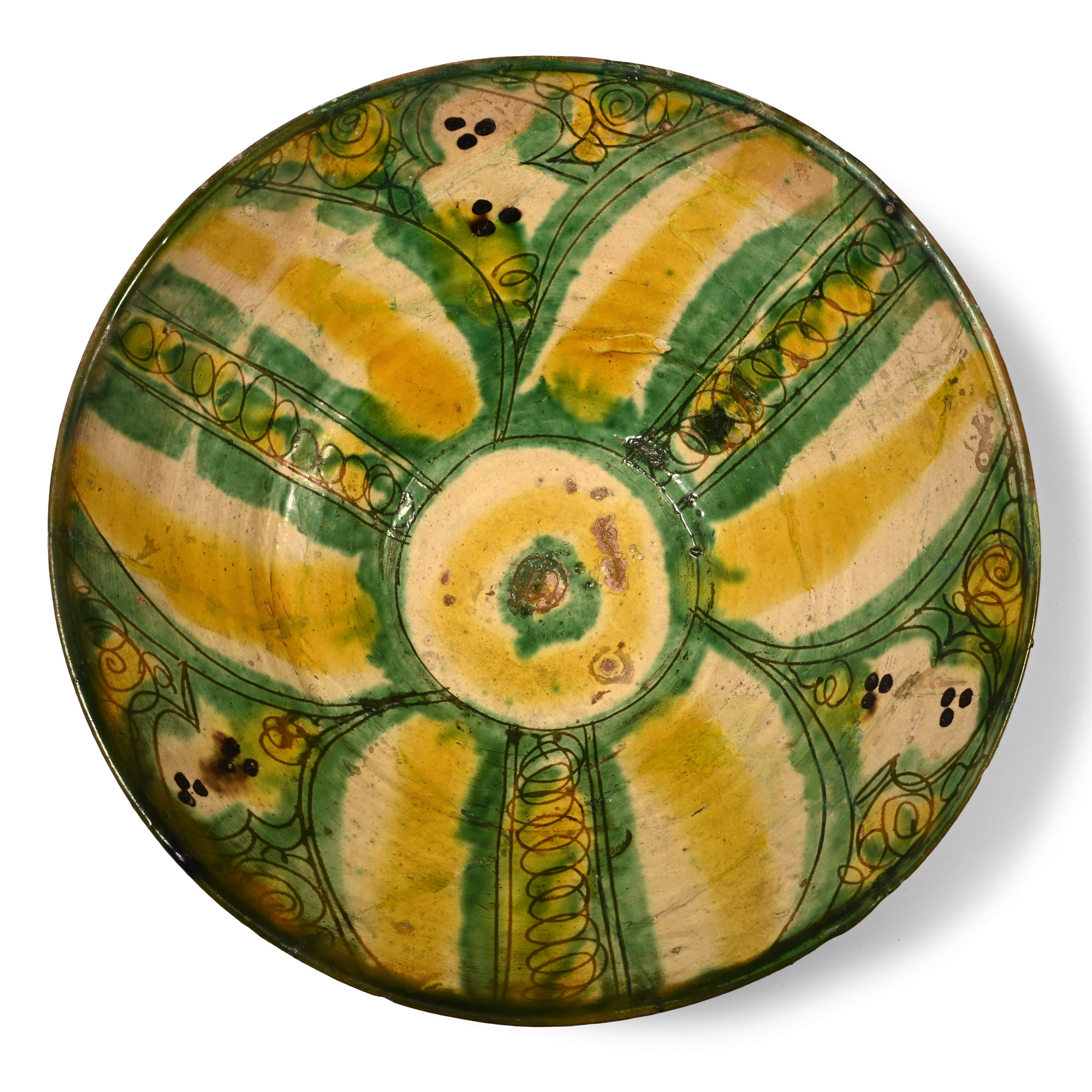
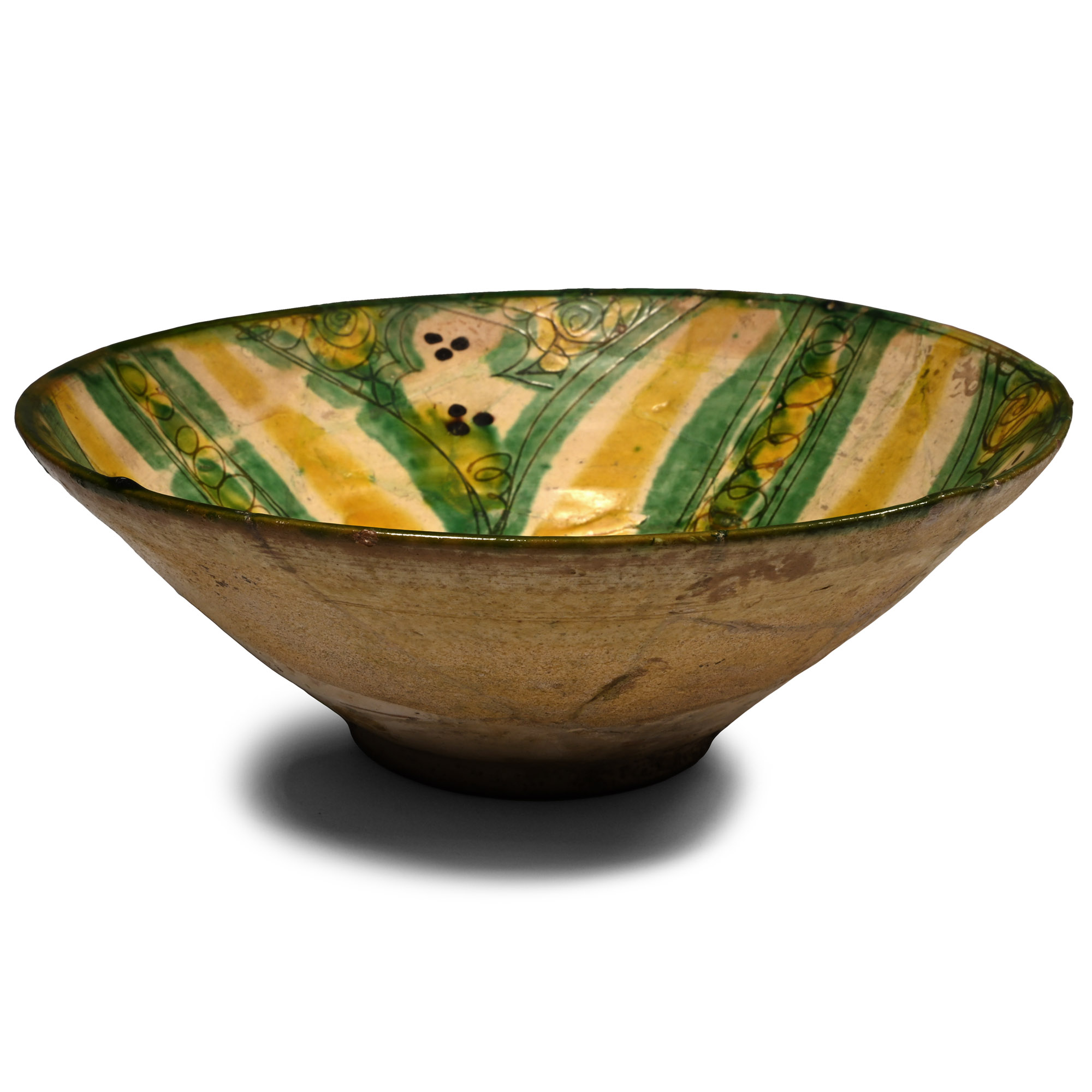
Nishapur Terracotta Glazed Bowl
10TH CENTURY A.D.
9 7/8 in. (651 grams, 25 cm wide).
Hemispherical in profile with basal ring, painted rim and trefoil motif on a textured field.
ProvenanceAcquired before 1978.
Private collection, UK.
This lot has been cleared against the Art Loss Register database, and is accompanied by an illustrated lot declaration signed by the Head of the Antiquities Department, Dr Raffaele D'Amato.
TimeLine Auctions follows a vetting process to ensure the authenticity and legality of all items, reinforcing our commitment to integrity and responsible trading. Each antiquity, antique, and coin lot undergoes thorough examination by a vetting committee of at least ten external specialists, professional trade association members, scientists, and archaeologists: Our Vetting Process
AUCTIONS:
TimeLine is a leading auction house specialising in antiquities, ancient art, collectables, natural history, coins, medals, and books. Our auctions offer museums, collectors, historians, and enthusiasts the opportunity to acquire unique and historically significant pieces.
LOT 0317
Nishapur Terracotta Glazed Bowl
Estimate £1,200 - 1,700€1,390 - 1,970 (for guidance only)$1,620 - 2,300 (for guidance only)
-
Achaemenid Bronze Dish
6th-4th century B.C.Sold for (Inc. bp): £72
Wide with carinated shoulder and everted rim, low foot. 84 grams, 12.4 cm
Acquired 1980-2015. Ex Abelita family collection. This lot has been cleared against the Art Loss Register database, and is accompanied by an illustrated lot declaration signed by the Head of the Antiquities Department, Dr Raffaele D'Amato. -
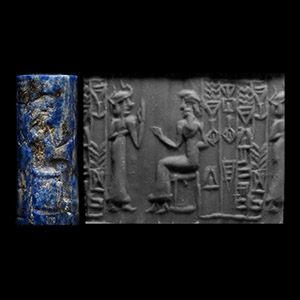
Ur II Period Lapis Lazuli Cylinder Seal with Dedicatory 'Gutua to Inka' Inscription
2200-2000 B.C.Sold for (Inc. bp): £1,820
With frieze depicting a standing figure addressing a seated figure and four columns of cuneiform text, reading 'Gutua to Inka, his Sister / Lady, He Gave (This Seal)'; supplied with a museum-quality impression. 2.96 grams, 20 mm
Acquired in 1995. Private collection, Switzerland, thence by descent. Private collection, since the late 1990s. This lot has been cleared against the Art Loss Register database, and is accompanied by an illustrated lot declaration signed by the Head of the Antiquities Department, Dr Raffaele D'Amato. -
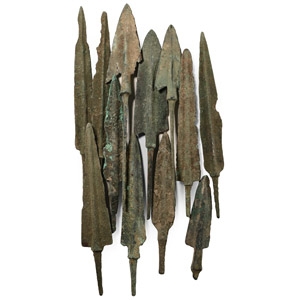
Luristan Bronze Arrowhead Collection
13th-6th century B.C.Estimate: £150 - 200 (+bp*)
Opening Bid: £75
Comprising triangular types with thick midrib, heater-shaped, leaf-shaped, and other types. 340 grams total, 8.7-17.5 cm
Ex London art market, 1980-1990s. This lot has been cleared against the Art Loss Register database, and is accompanied by an illustrated lot declaration signed by the Head of the Antiquities Department, Dr Raffaele D'Amato.
One category of the represented arrowheads has a sharp, flat blade, the ends of which extend to form wings or barbs, and a prominent midrib extending into a long tang that often has a stop; the blade shape varies from deltoid to more triangular. Another form has no barbs, but it has a prominent midrib extending to the tang, and a narrow leaf-shaped blade.
