Loading, please wait...

Use mousewheel to zoom in and out, click to enlarge

Details

LOT 1882

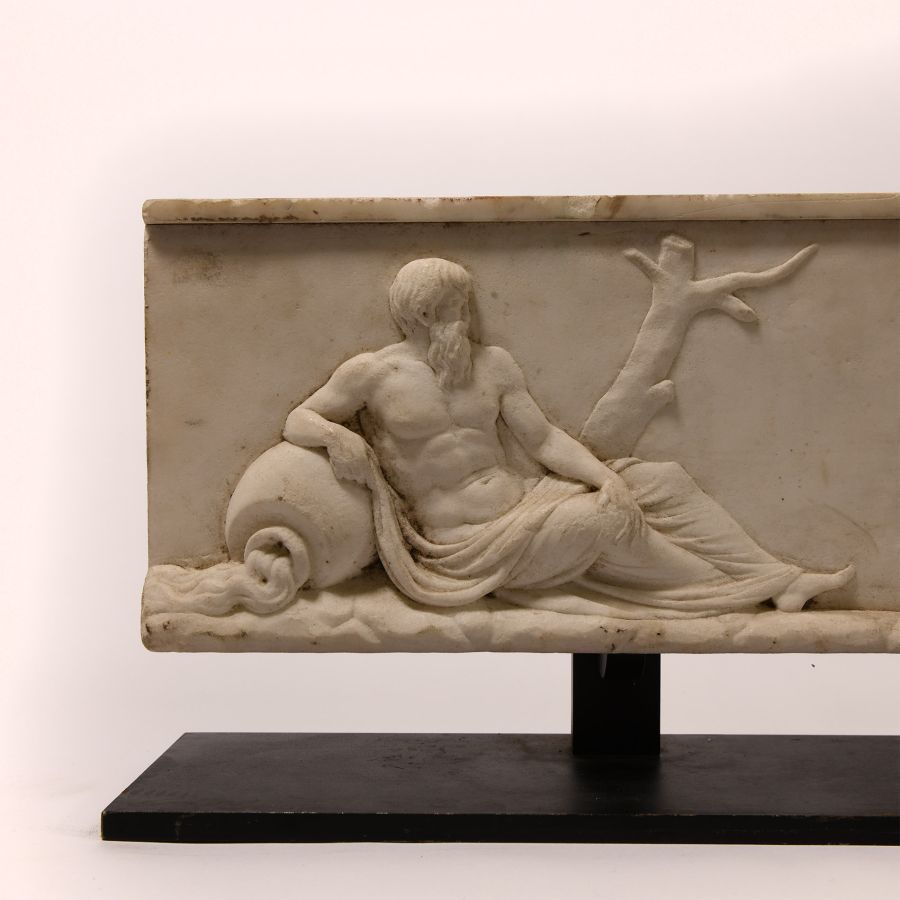
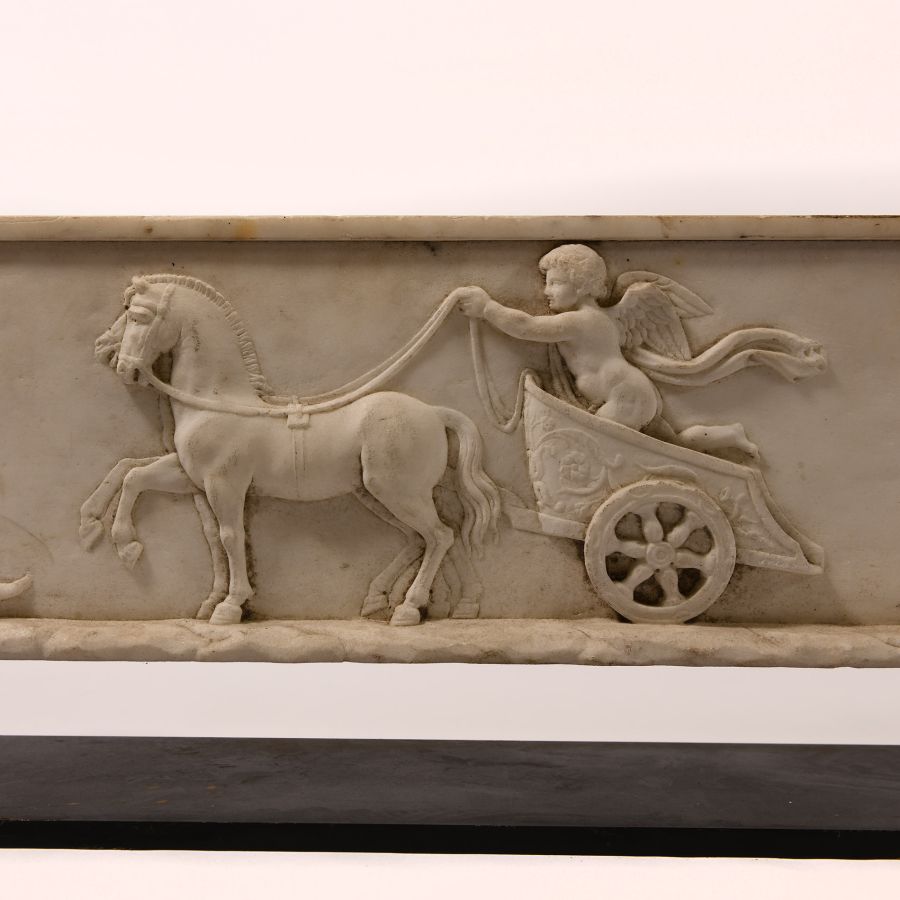
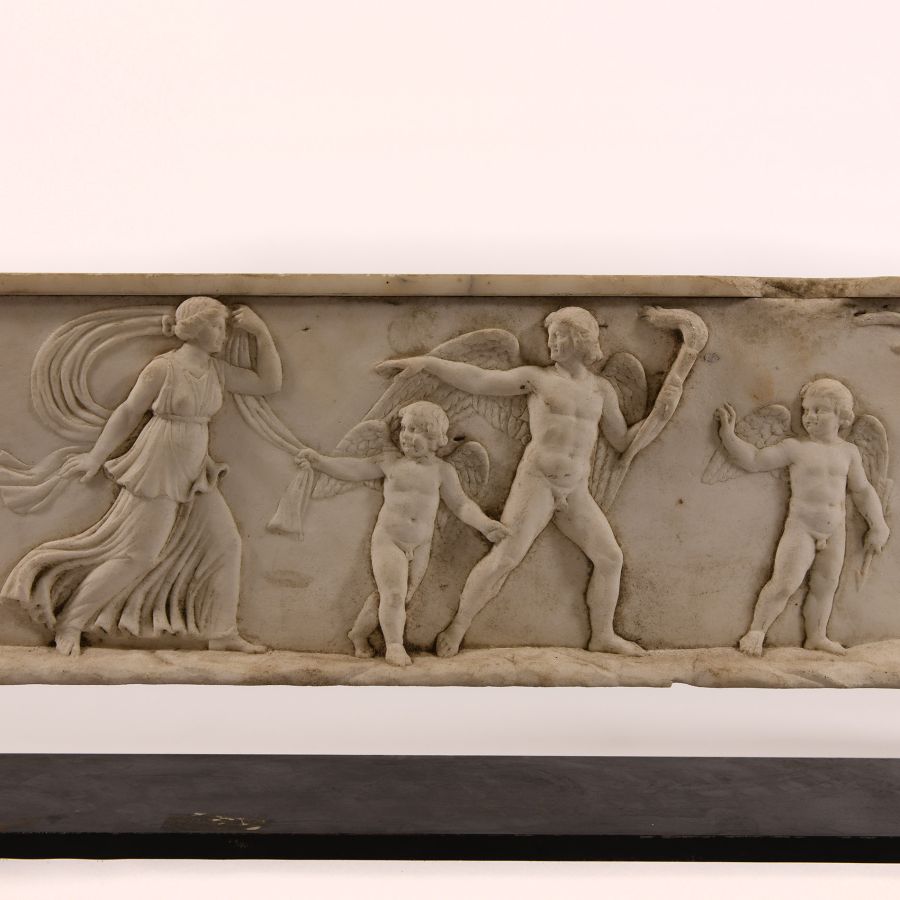
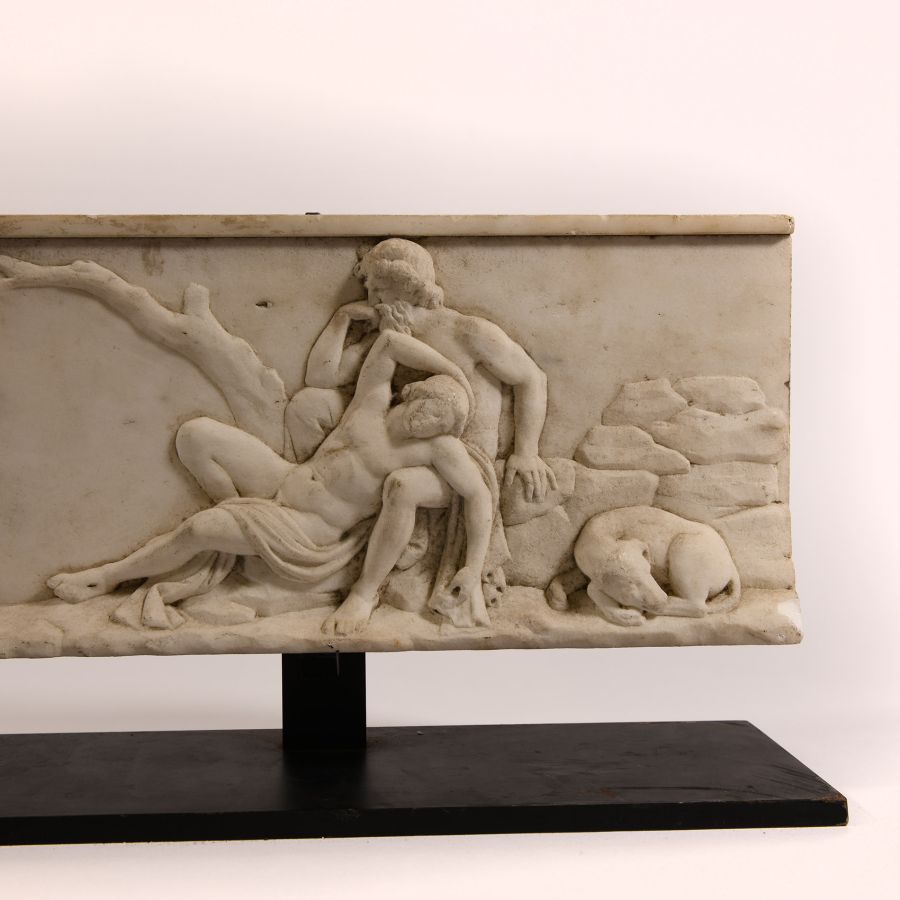
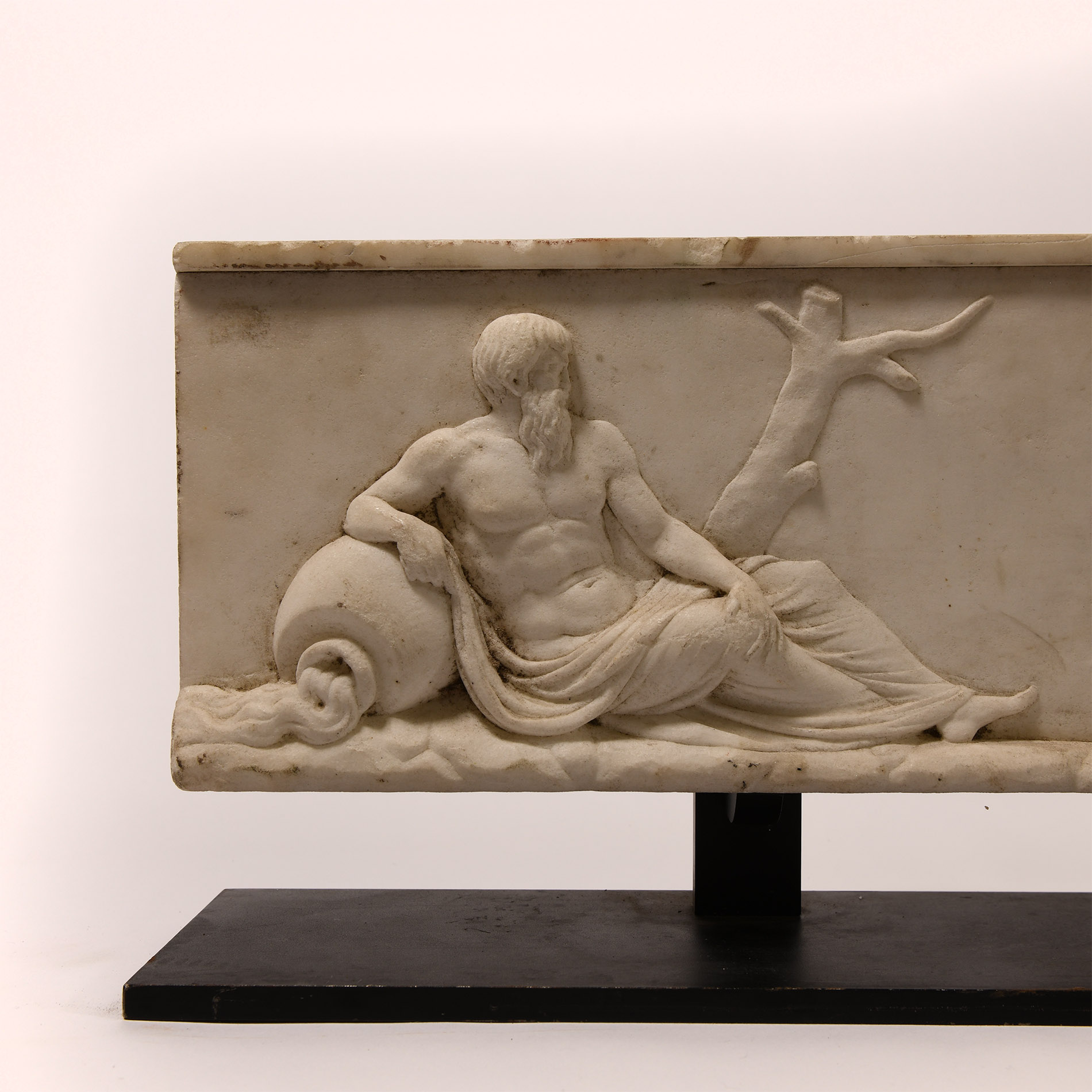
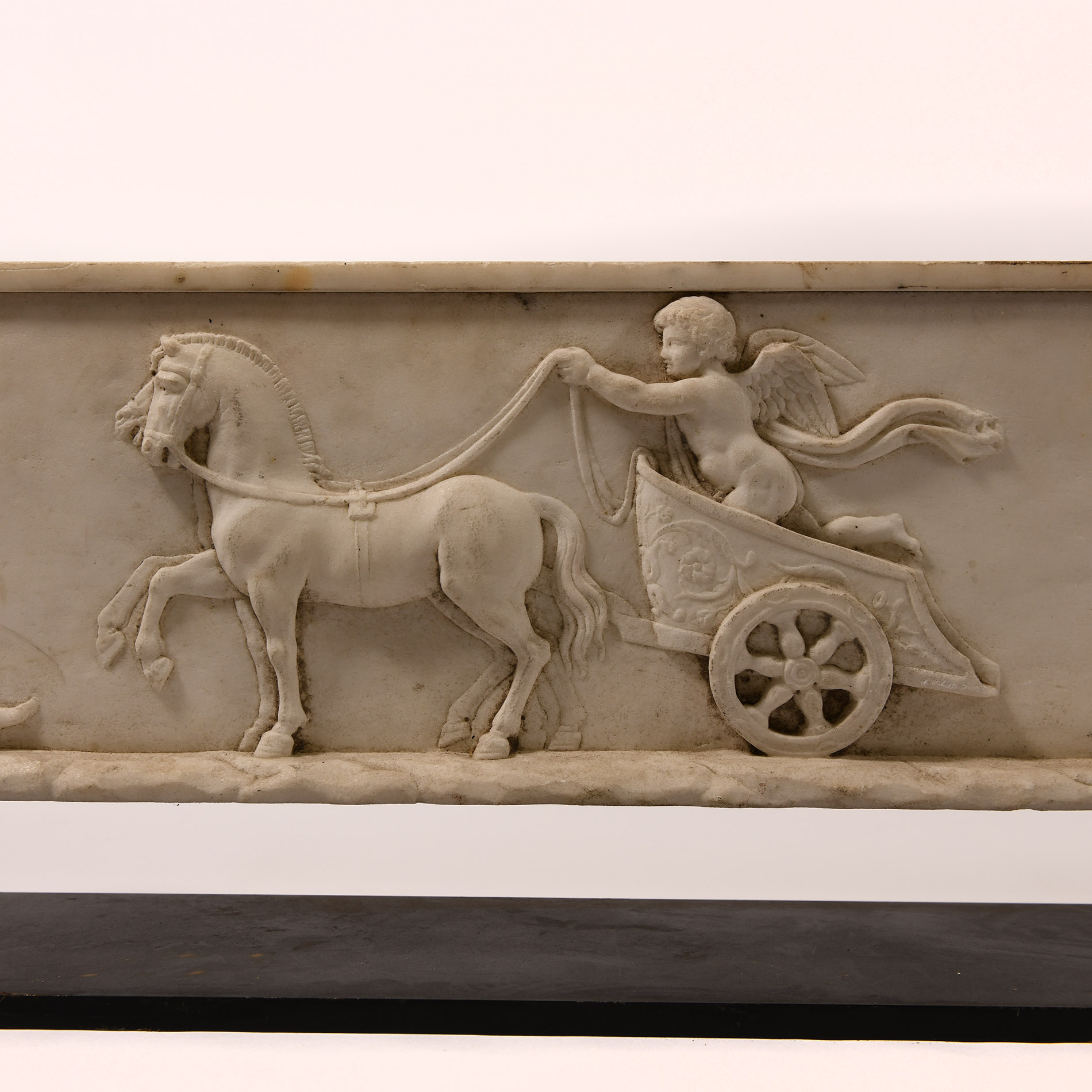
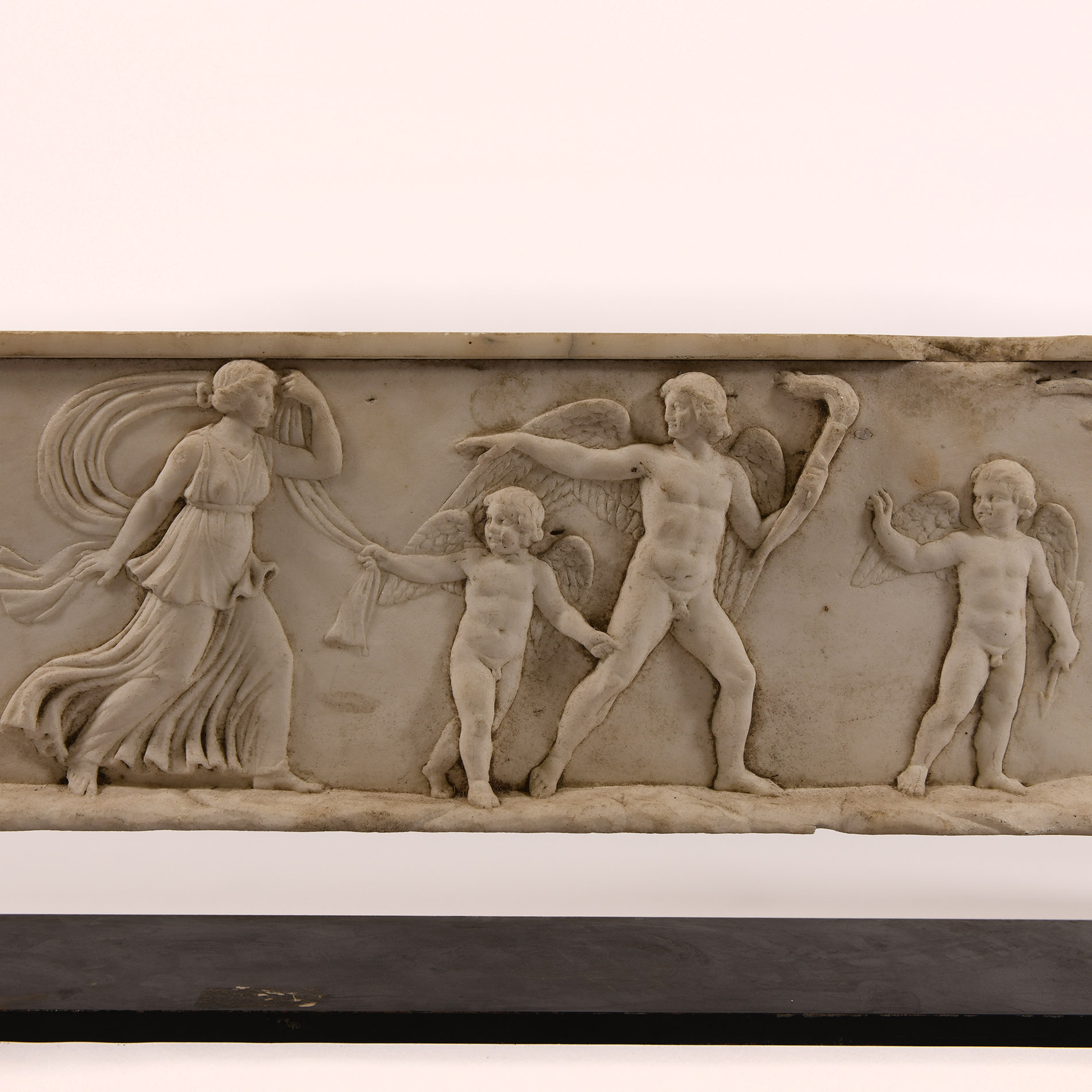
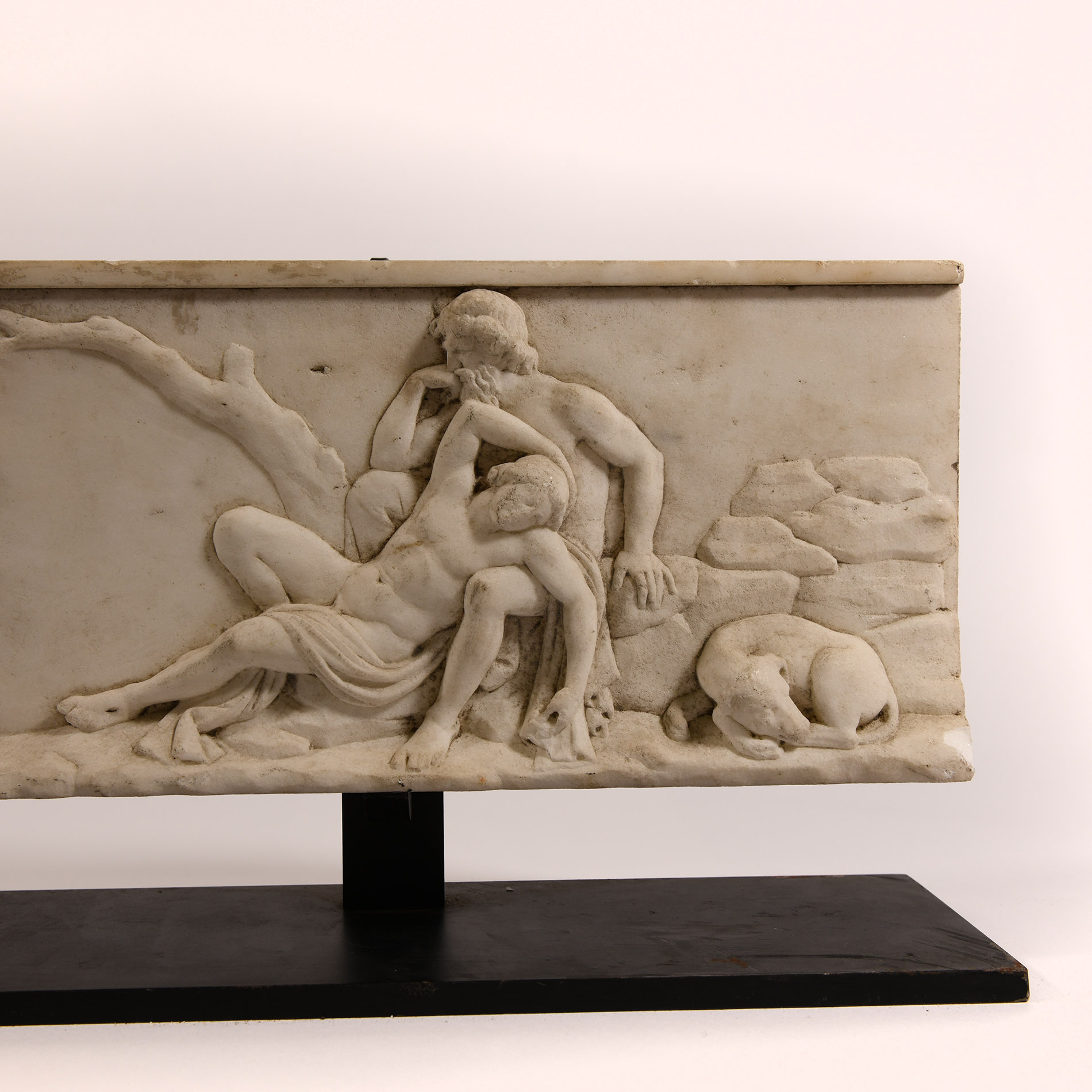
Neoclassical Marble Panel

20TH CENTURY A.D.

51 1/4 in. (36.9 kg total, 1.3 m wide including stand).

Displaying a figural scene in raised relief; reclining Jupiter beside a tree, Cupid in a biga chariot, standing group of Venus, Vulcanus and erotes; seated Dis Pater and dying Hercules with dog; mounted on a custom-made display stand.

Provenance

French collection, 1960s-early 2000s.
From an important Paris gallery, France.

This lot has been checked against the Interpol Database of stolen works of art and is accompanied by search certificate number no.11696-199341.

CONDITION

VETTING:

TimeLine Auctions follows a vetting process to ensure the authenticity and legality of all items, reinforcing our commitment to integrity and responsible trading. Each antiquity, antique, and coin lot undergoes thorough examination by a vetting committee of at least ten external specialists, professional trade association members, scientists, and archaeologists: Our Vetting Process


AUCTIONS:

TimeLine is a leading auction house specialising in antiquities, ancient art, collectables, natural history, coins, medals, and books. Our auctions offer museums, collectors, historians, and enthusiasts the opportunity to acquire unique and historically significant pieces.

LOT 1882

Neoclassical Marble Panel

Sold for (Inc. bp): £2,210

Print page

RELATED LOTS

  • Admiral Thomas Leeke Massie Cased Cocked Naval Hat and Box
    Admiral Thomas Leeke Massie Cased Cocked Naval Hat and Box
    19th century A.D.

    Sold for (Inc. bp): £364

    Bicorn hat and epaulettes, the left hand side of the bicorn bears a black cockade, with twisted gold bullion wires on both front and back ends, edges are finished with black brocade featuring a continuous oakleaves and acorns, inside is lined with white silk and cream coloured leather ‘sweat band’; together with its original early Japanned tin hat box with brass handle and plaque engraved 'Capt'n T L Massie R.H.', and crowned arms engraved 'Portsmouth'. 1.8 kg, 50 cm


    Acquired from M D L Historic Military Antiques. The Kusmirek Collection, UK. Accompanied by a copy of listing and biographical information.

    Leeke was born at Coddington Hall, Cheshire, on 20th October 1802. He entered the navy in 1818, serving in the Mediterranean on board HMS Rochfort, and later on different ships. Leeke was promoted to lieutenant in 1827, was made commander on Queen Victoria's coronation on 28th June 1838, and to second captain in March 1840, and, for the part he played in the capture of Acre during the Oriental Crisis, he was promoted to captain in 1841. In 1849 Leeke was appointed to HMS Cleopatra which he commanded in the East Indies and China during the Second Anglo-Burmese War. In 1854 he commissioned HMS Powerful, becoming rear-admiral in 1860, vice-admiral in 1866 and admiral in 1872. He died in 1898.

    Lot Details

  • Post Medieval Glazed Ceramic Tile Set Displaying Boat
    Post Medieval Glazed Ceramic Tile Set Displaying Boat
    Circa 1800 A.D.

    Sold for (Inc. bp): £247

    Formed using pale mauve glaze and displaying what is likely a lugger. 1.98 kg total, 13 x 13 cm each


    Acquired 1990s-early 2000s. East Anglian private collection.

    Lot Details

  • Heavy Post Medieval Gold Love Is The Bond Of Pease Posy Ring
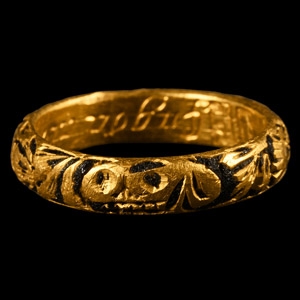
    Heavy Post Medieval Gold 'Love Is The Bond Of Pease' Posy Ring
    1650-1725 A.D.

    Sold for (Inc. bp): £2,860

    Composed of a gently carinated hoop, the interior inscribed in cursive script 'Love is the bond of pease'. 7.81 grams, 22.97 mm overall, 18.75 mm internal diameter (approximate size British R, USA 8 1/2, Europe 18 3/4, Japan 18)


    Found whilst searching with a metal detector on 28th March 2022 Mr Graham Higgins, near Hatford, Oxfordshire, UK. Accompanied by a copy of the report for HM Coroner by the Finds Liason Officer (FLO) for the British Museum's Portable Antiquities Scheme (PAS) for Oxfordshire under Treasure reference number OXON-FC03F7. Accompanied by a copy of the letter from HM Senior Coroner for Oxfordshire disclaiming the Crown's interest in the find.

    In the medieval period many rings bore posy inscriptions in Latin or French, the languages frequently spoken by the affluent elites. Later, inscriptions in English became more usual, although the lack of standardisation in spelling might surprise the modern reader. The inscription is generally found on the interior of the ring, hidden to everyone except the wearer and most of the sentimental mottoes were taken from the popular literature of the time. In fact, love inscriptions often repeat each other, which suggests that goldsmiths used stock phrases. In the later 16th century, ‘posy’ specifically meant a short inscription. A posy is described in contemporary literature as a short ‘epigram’ of less than one verse. George Puttenham (1589) explained that these phrases were not only inscribed on finger rings, but also applied to arms and trenchers. The practice of giving rings engraved with mottoes at betrothals or weddings was common in England from the 16th century onwards, and continued until the late 18th century. Sources suggest that rings could be acquired ready- engraved, or alternatively engraved sometime after their initial production, by a hand other than the goldsmith’s. Joan Evans assumed that posy rings were principally used by/between lovers and distinguished four contexts for the giving of posy rings by one lover to another: betrothals, weddings, St Valentine’s Day and occasions of mourning. Samuel Pepys’ diary makes clear that posy rings might also mark the marriage of a family member, when bearers could even commission their own rings and chose their own mottoes from books. The rings could also function as tokens of friendship or loyalty.

    Lot Details

Stay up-to-date with the latest from TimeLine Auctions by joining our mailing list