
Loading, please wait...
LOT 1276
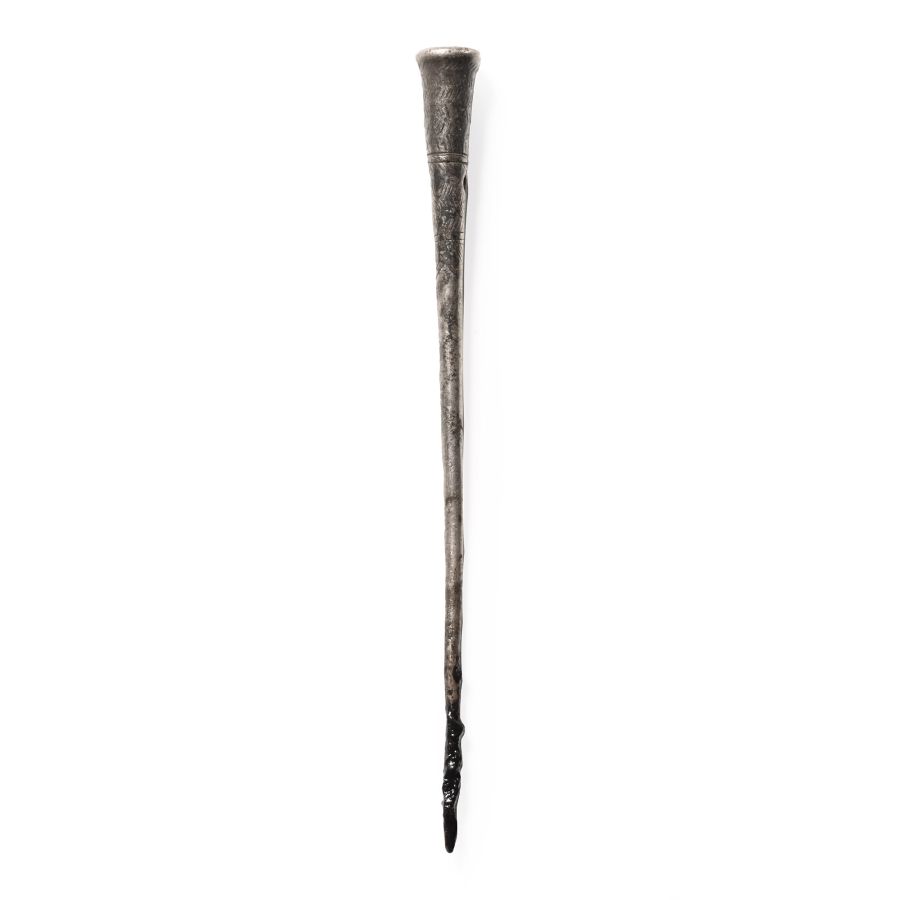
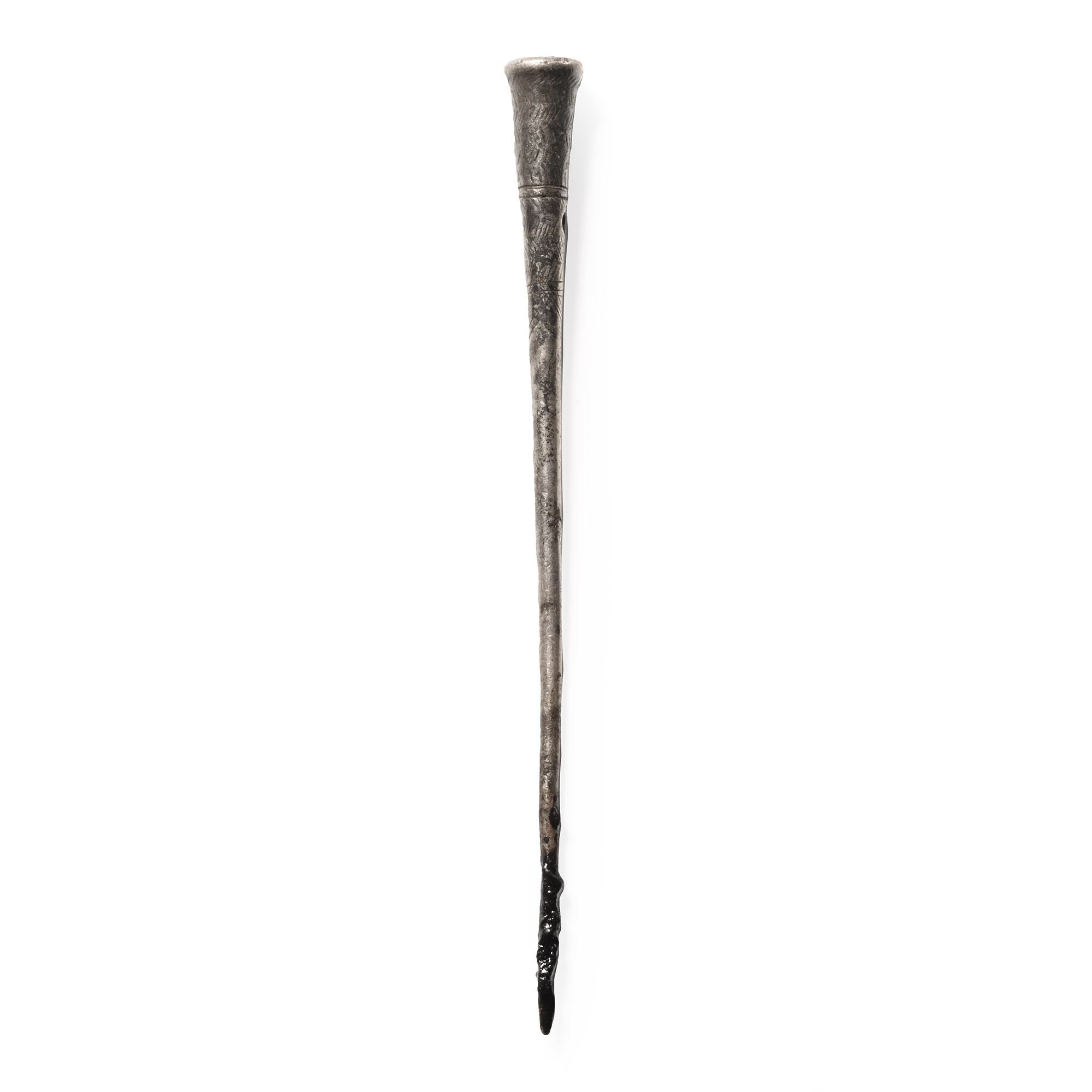
Neo Elamite Silver Pin
900-600 B.C.
3 7/8 in. (9.22 grams, 97 mm).
Round-section shank with flared butt, incised bands and hatching; pierced. [No Reserve]
ProvenanceAcquired before 1983.
Ex London gallery, 1990s.
This lot has been cleared against the Art Loss Register database, and is accompanied by an illustrated lot declaration signed by the Head of the Antiquities Department, Dr Raffaele D'Amato.
TimeLine Auctions follows a vetting process to ensure the authenticity and legality of all items, reinforcing our commitment to integrity and responsible trading. Each antiquity, antique, and coin lot undergoes thorough examination by a vetting committee of at least ten external specialists, professional trade association members, scientists, and archaeologists: Our Vetting Process
AUCTIONS:
TimeLine is a leading auction house specialising in antiquities, ancient art, collectables, natural history, coins, medals, and books. Our auctions offer museums, collectors, historians, and enthusiasts the opportunity to acquire unique and historically significant pieces.
-
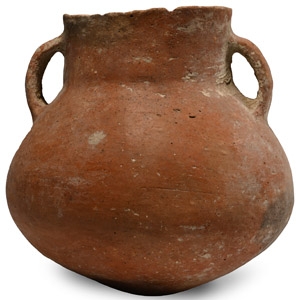
Transjordan Holy Land Terracotta Jar with Two Handles
Early Bronze Age I, 3rd millennium B.C.Estimate: £120 - 170 (+bp*)
Opening Bid: £60
Comprising a bulbous body with narrow base and short neck, two strap handles. 382 grams, 14.5 cm
From the collection of a gentleman, Geneva, before 1988. This lot has been cleared against the Art Loss Register database, and is accompanied by an illustrated lot declaration signed by the Head of the Antiquities Department, Dr Raffaele D'Amato. -
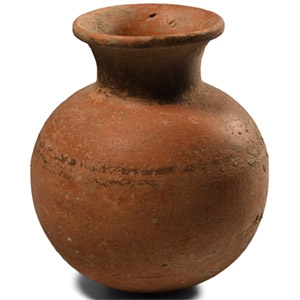
Western Asiatic Bulbous Terracotta Jar
1st millennium B.C.Estimate: £120 - 170 (+bp*)
Opening Bid: £60
Comprising a globular body with circumferential painted bands at the equator, trumpet-shaped neck and mouth. 522 grams, 16.2 cm
From the collection of a London, UK, gentleman, 1990s. This lot has been cleared against the Art Loss Register database, and is accompanied by an illustrated lot declaration signed by the Head of the Antiquities Department, Dr Raffaele D'Amato. -
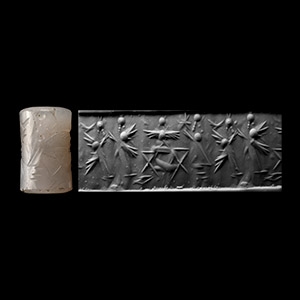
Mesopotamian Stone Cylinder Seal with Processional Scene
2nd-1st millennium B.C.Sold for (Inc. bp): £676
Carved onyx with frieze of stylised robed figures in procession; supplied with a museum-quality impression. 20 grams, 31 mm
From a London, UK, collection, 1980s. Ex North American collection. This lot has been cleared against the Art Loss Register database, and is accompanied by an illustrated lot declaration signed by the Head of the Antiquities Department, Dr Raffaele D'Amato.
