
Loading, please wait...
LOT 1298
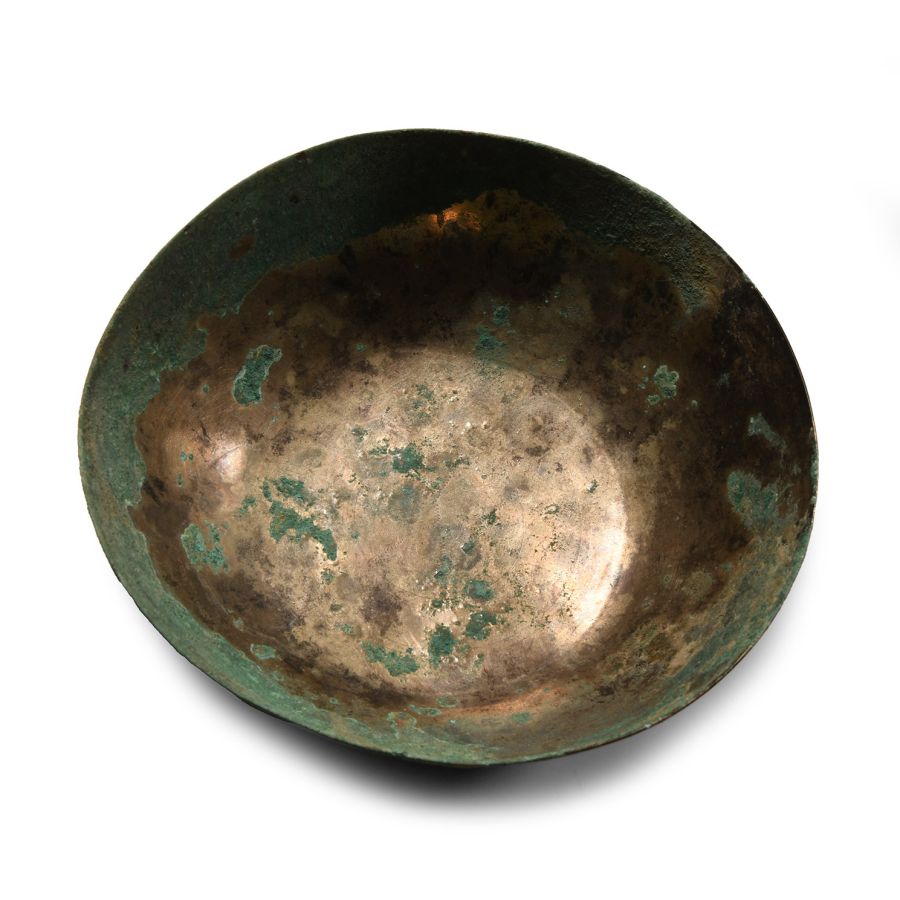
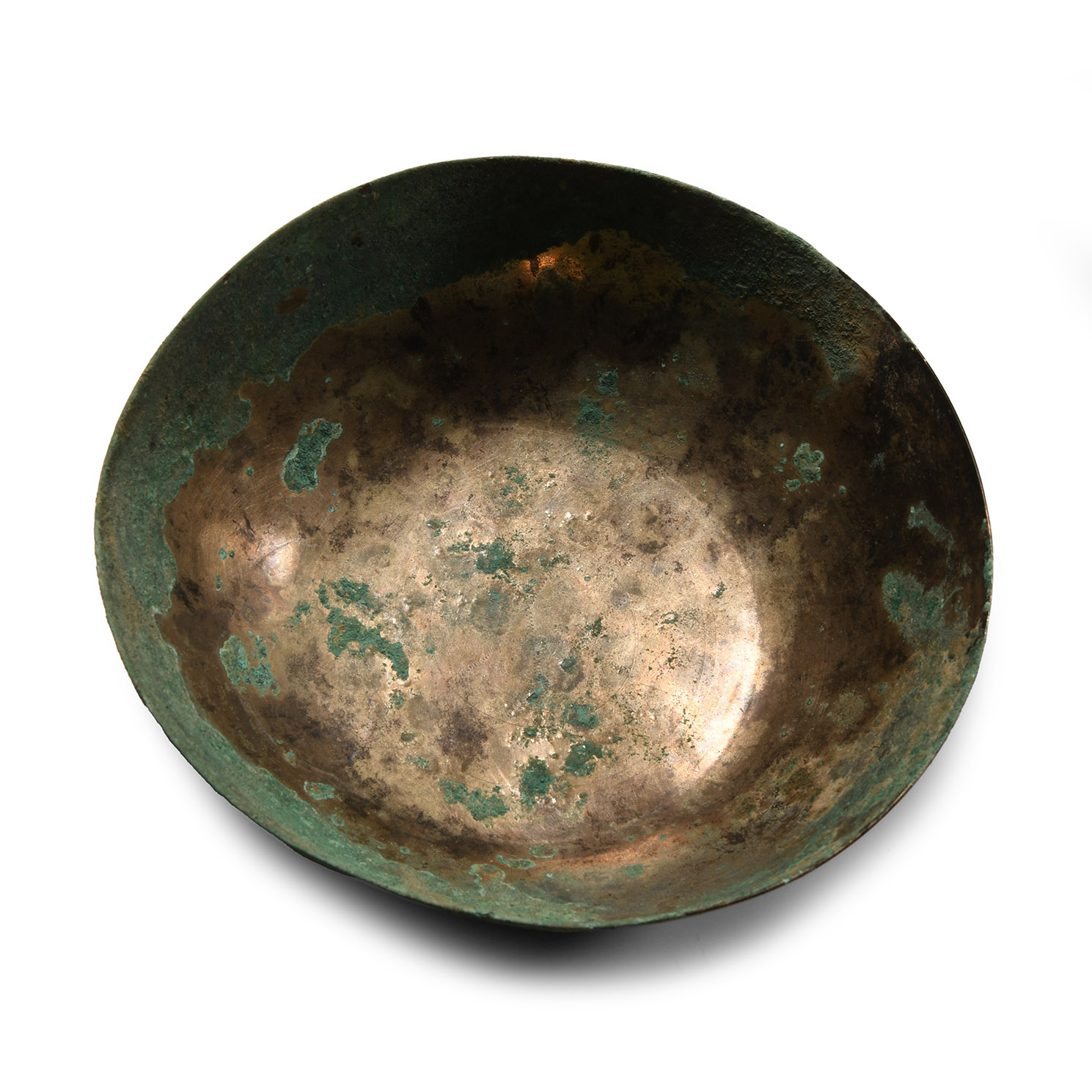
Neo-Assyrian Bronze Bowl
CIRCA 9TH-7TH CENTURY B.C.
5 7/8 in. (125 grams, 15 cm).
Raised from a single sheet with slightly convex walls; concentric circles to the inner base with a central decorative motif composed of zig-zag lines. [No Reserve]
ProvenanceFrom a London collection formed 1989-2000.
Sold from Pars Antiquities, London, 2002.
Accompanied by an old collection ticket.
TimeLine Auctions follows a vetting process to ensure the authenticity and legality of all items, reinforcing our commitment to integrity and responsible trading. Each antiquity, antique, and coin lot undergoes thorough examination by a vetting committee of at least ten external specialists, professional trade association members, scientists, and archaeologists: Our Vetting Process
AUCTIONS:
TimeLine is a leading auction house specialising in antiquities, ancient art, collectables, natural history, coins, medals, and books. Our auctions offer museums, collectors, historians, and enthusiasts the opportunity to acquire unique and historically significant pieces.
-
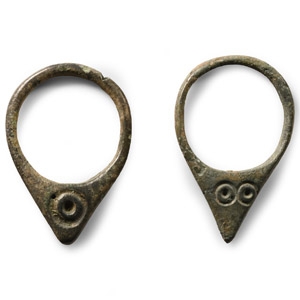
Western Asiatic Bronze Ring Pendant Pair
1st millennium B.C.Sold for (Inc. bp): £33
Comprising two annular rings with triangular projections, one with a single ring-and-dot motif to both sides, the other with double ring-and-dot motif to each side. 3.43 grams total, 25-26 mm
UK private collection before 2000. On the UK art market. Property of a London gentleman. -
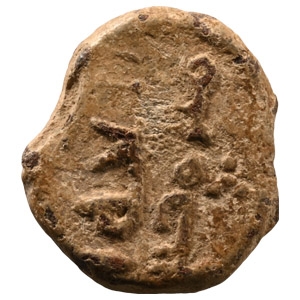
Western Asiatic Inscribed Lead Document Bulla
Circa 8th-9th century A.D.Sold for (Inc. bp): £20
Discoid with two line inscription to both sides. 10 grams, 21 mm
From the property of late Mr SM, London, UK, 1969-1999. -
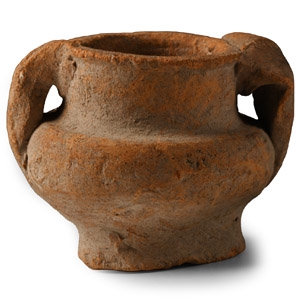
Western Asiatic Miniature Terracotta Amphora
2nd millennium B.C.Sold for (Inc. bp): £26
Broad squat body with low foot, broad shoulder, two lateral strap handles. 24.8 grams, 46 mm
with a London, UK gallery 1971-early 2000s.
