
Loading, please wait...
LOT 2324
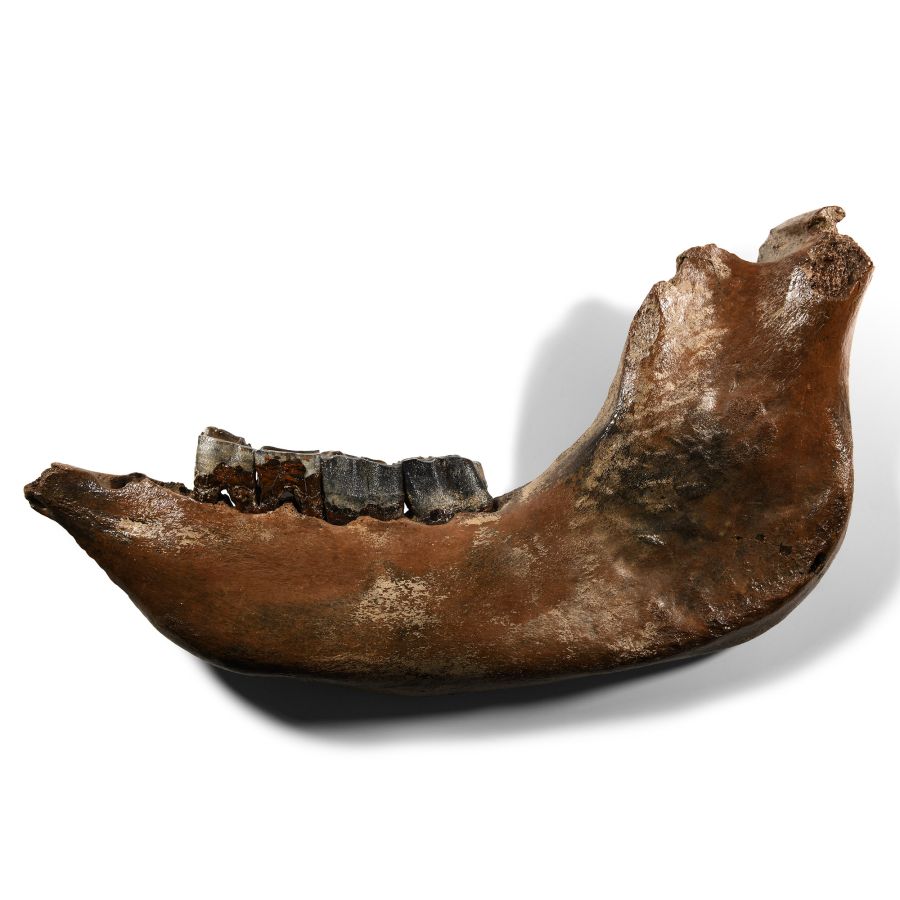
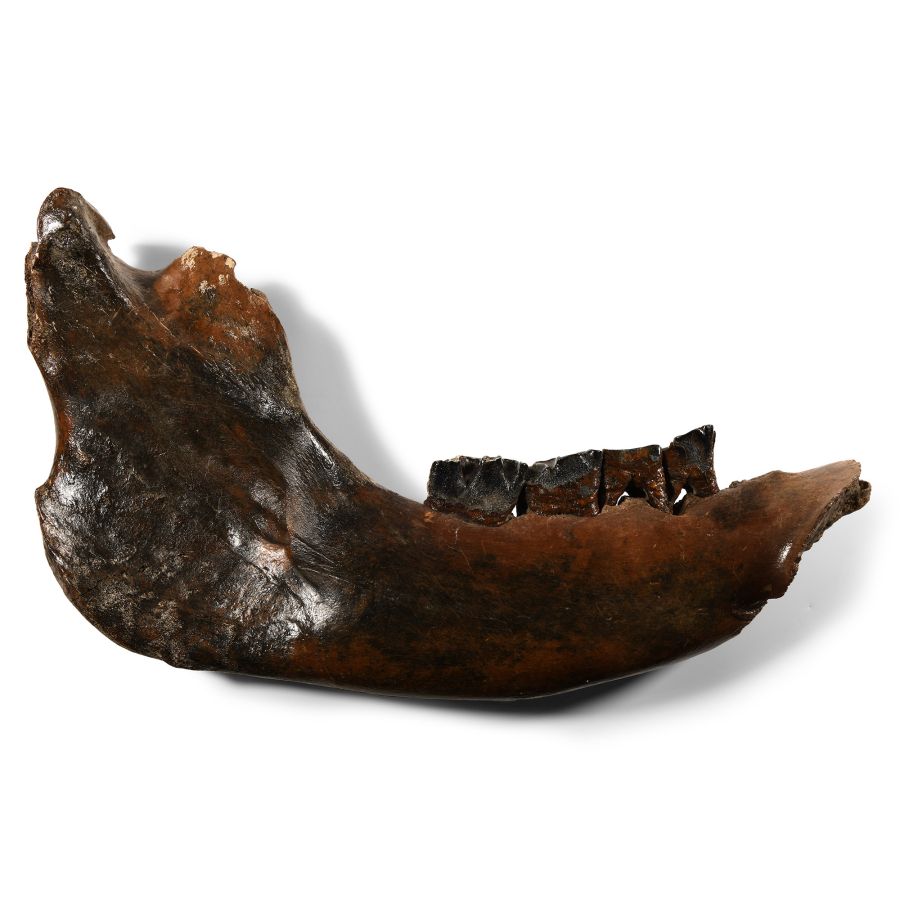
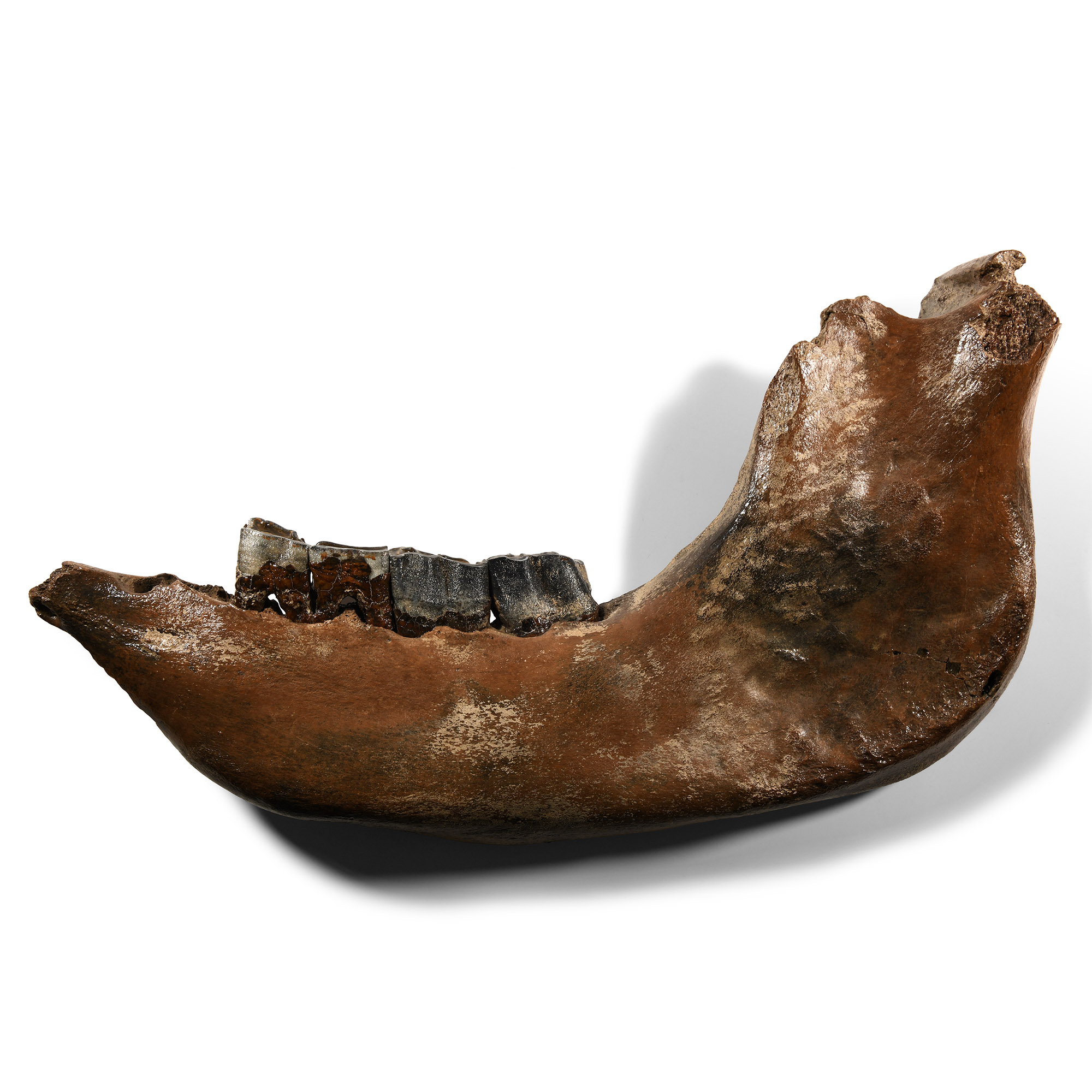
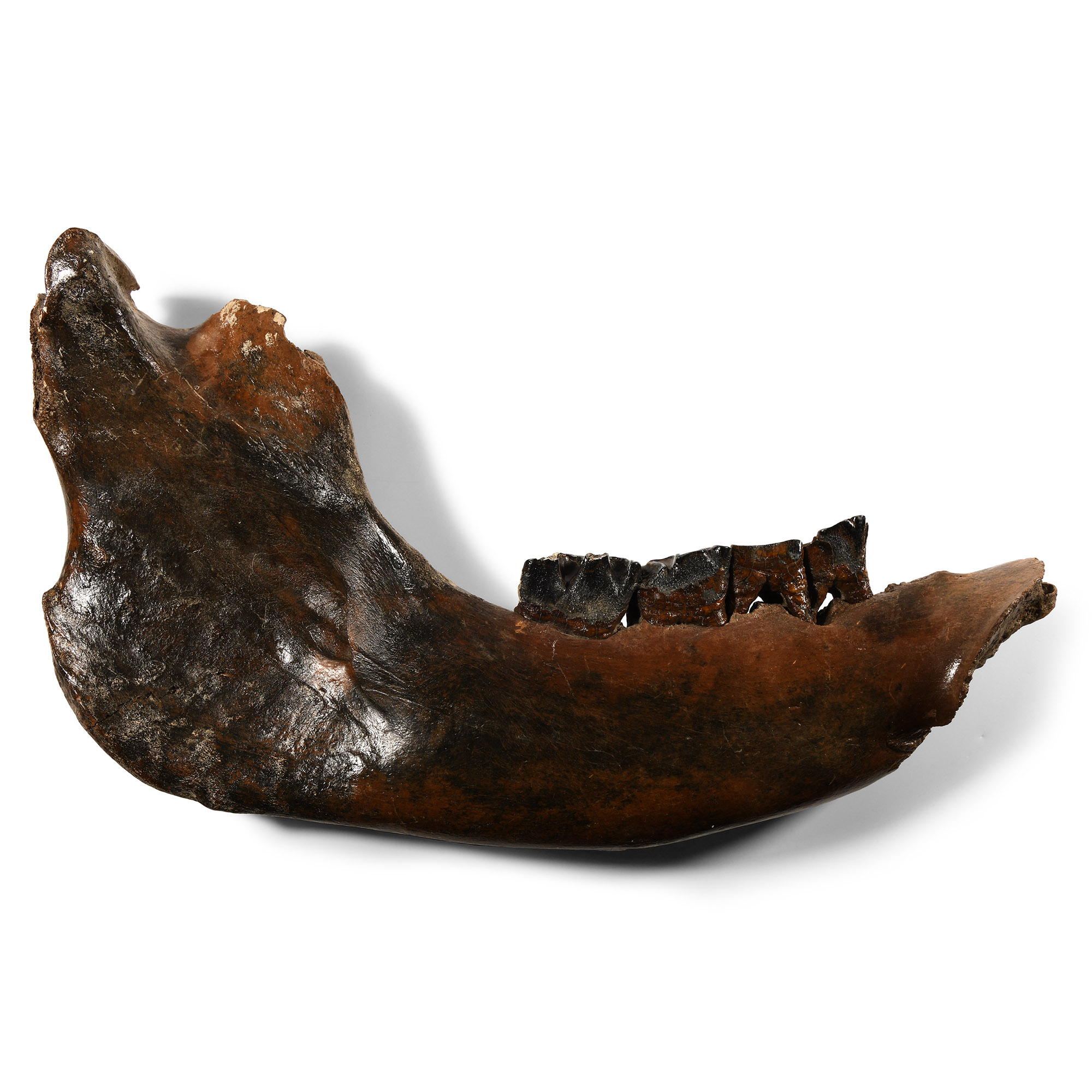
Natural History - Woolly Rhinoceros Jaw
DEVENSIAN PERIOD, CIRCA 110,000-12,000 YEARS B.P.
20 1/2 in. (3 kg, 52 cm).
A well-preserved lower jaw section from Coelodonta antiquitatis with four molars.
ProvenanceFrom the Northamptonshire, UK, collection of J. Shaul.
Property of a Cambridgeshire, UK, gentleman.
The form of the woolly rhino’s skull and teeth had evolved to support its grazing lifestyle with its head dipped downwards towards the ground, even in its relaxed attitude. The skull is unusual in having both an extensively ossified nasal septum, probably evolved as a result of the heavy pressure on the horn and face when grazing, and a down-turned anterior region on the premaxilla that contacts the edge of the upper jaw. The shoulders were raised with a powerful hump, used to support the animal's massive front horn and also used for storing fat.
CONDITIONTimeLine Auctions follows a vetting process to ensure the authenticity and legality of all items, reinforcing our commitment to integrity and responsible trading. Each antiquity, antique, and coin lot undergoes thorough examination by a vetting committee of at least ten external specialists, professional trade association members, scientists, and archaeologists: Our Vetting Process
AUCTIONS:
TimeLine is a leading auction house specialising in antiquities, ancient art, collectables, natural history, coins, medals, and books. Our auctions offer museums, collectors, historians, and enthusiasts the opportunity to acquire unique and historically significant pieces.
LOT 2324
Natural History - Woolly Rhinoceros Jaw
Estimate £500 - 700€580 - 810 (for guidance only)$680 - 950 (for guidance only)
-
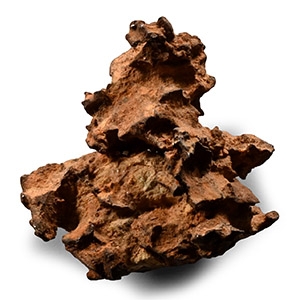
Natural History - Spectacular Imilac Pallasite Meteorite
Discovered in 2010 A.D.Sold for (Inc. bp): £234
Meteorite classified as a stony-iron pallasite, in collector's lidded box with documentation. 10.4 grams, 23 mm
Found in Chile's Atacama desert while filming an episode of the TV series Meteorite Men, the find was caught on camera and is shown in the Meteorite Men 'Chile' episode, at about the 14th minute. Acquired from Steve Arnold, co-star of 'Meteorite Men'. Ian Wilkinson collection, Nottinghamshire, UK. Accompanied by a signed certificate of authenticity card from Steve Arnold, a copy of the sales listing, and an aluminium identification plaque.
Imilac specimens are highly prized by meteorite collectors; the finding of this specimen was caught on camera and formed part of an episode of the TV show 'Meteorite Men'. -
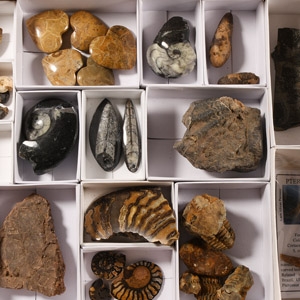
Natural History - Mixed Fossil Collection
Devonian to Cretaceous Period, circa 417-100 million years B.P.Sold for (Inc. bp): £130
An interesting mix of various fossils comprising: a pterosaurus Coloborhynchus moroccensis tooth with an information card; a group of trilobite partials; a fossil leaf on a matrix; a pair of polished goniatites; a pair of polished orthoceras; a pair of mosasaur teeth; five polished heart-shaped fossil coral heads; a number of various ammonites, and others. 1.37 kg total, 11-86 mm
From a Cambridgeshire, UK, collection. Property of a Cambridgeshire, UK, gentleman. -

Natural History - Fossil Megalodon Giant Shark Tooth
Pliocene Period, circa 5.2-2.5 million years B.P.Sold for (Inc. bp): £143
A Carcharocles megalodon tooth displaying good polished enamel. 123 grams, 97 mm
From a Lincolnshire, UK, collection. Property of a Cambridgeshire, UK, gentleman.
Carcharocles megalodon is regarded as one of the largest and most powerful marine predators in vertebrate history and likely had a profound impact on structuring of the marine communities. Fossil remains indicate that this giant shark reached a length of more than 16 metres (52 ft) and also affirm that it had a cosmopolitan distribution. Scientists suggest that in life it looked like a stockier version of the great white shark, Carcharodon carcharias.
