
Loading, please wait...
LOT 2359
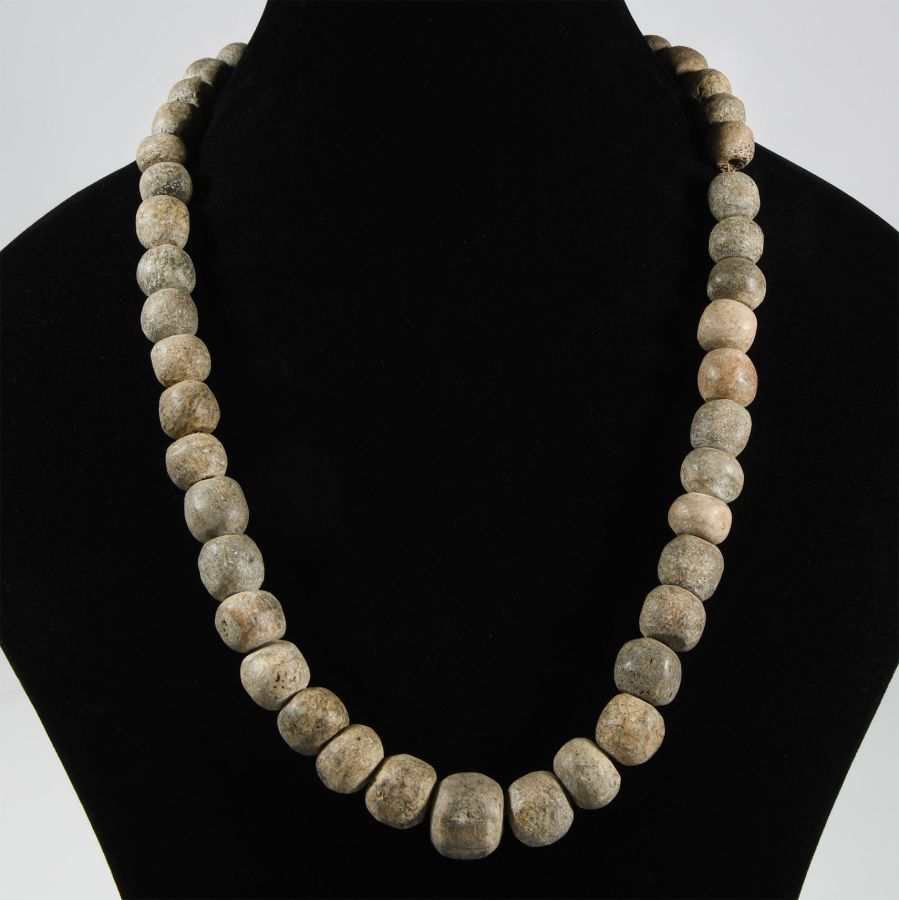
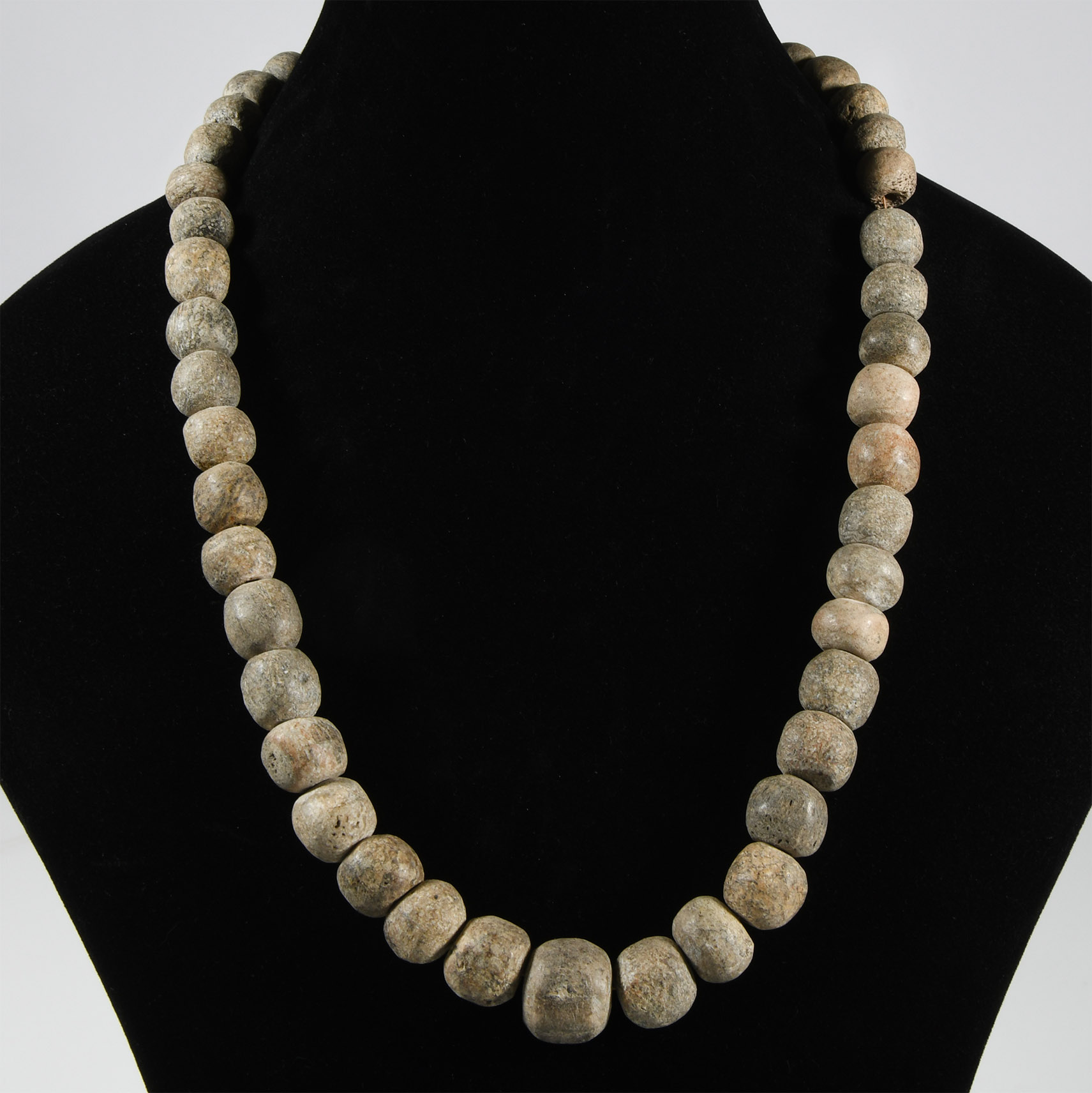
Natural History - Woolly Mammoth Bone Bead Necklace String
DEVENSIAN PERIOD, 110,000-12,000 YEARS B.P.
25 1/4 in. (182 grams total, 64 cm long).
Restrung using recently polished Mammuthus primigenius bone beads. [No Reserve]
ProvenanceEx London collection, 2000s.
CONDITIONTimeLine Auctions follows a vetting process to ensure the authenticity and legality of all items, reinforcing our commitment to integrity and responsible trading. Each antiquity, antique, and coin lot undergoes thorough examination by a vetting committee of at least ten external specialists, professional trade association members, scientists, and archaeologists: Our Vetting Process
AUCTIONS:
TimeLine is a leading auction house specialising in antiquities, ancient art, collectables, natural history, coins, medals, and books. Our auctions offer museums, collectors, historians, and enthusiasts the opportunity to acquire unique and historically significant pieces.
LOT 2359
Natural History - Woolly Mammoth Bone Bead Necklace String
Sold for (Inc. bp): £85
-
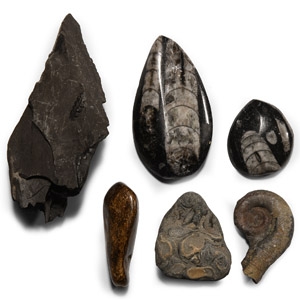
Natural History - Mixed Fossil Group
Devonian Period, circa 417-354 million years B.P.Sold for (Inc. bp): £1
Comprising two polished Orthoceras sp. specimens; an ammonite; a matrix with partial fern fossils; and two others. 333 grams total, 4-11 cm
Previously acquired on the UK art market before 2000. Property of a Kent, UK, collector. -
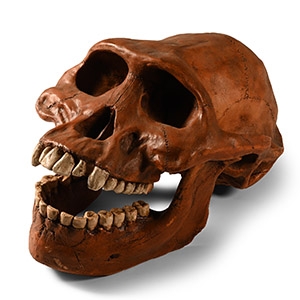
Natural History - Prehistoric Skull Replica
20th century A.D.Sold for (Inc. bp): £312
With narrow brain-pan and prominent incisor and canine teeth; perhaps Australopithecus. 1.54 kg, 20.5 cm
From a collection acquired on the UK art market from various auction houses and collections mostly before 2000. From an important Cambridgeshire estate; thence by descent. -
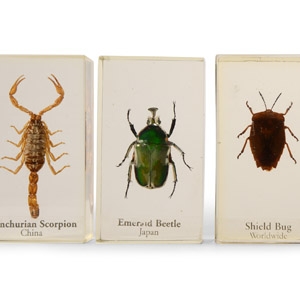
Natural History - Insect Paper Weight Group
20th century A.D.Sold for (Inc. bp): £59
Comprising three resin blocks with: a shield bug; Manchurian scorpion from China; an emerald beetle from Japan. 263 grams total, 74 x 41 mm each
Acquired from Newark Fossil and Gem Fair, circa 2012. Ian Wilkinson collection, Nottinghamshire, UK.
