
Loading, please wait...
LOT 2524
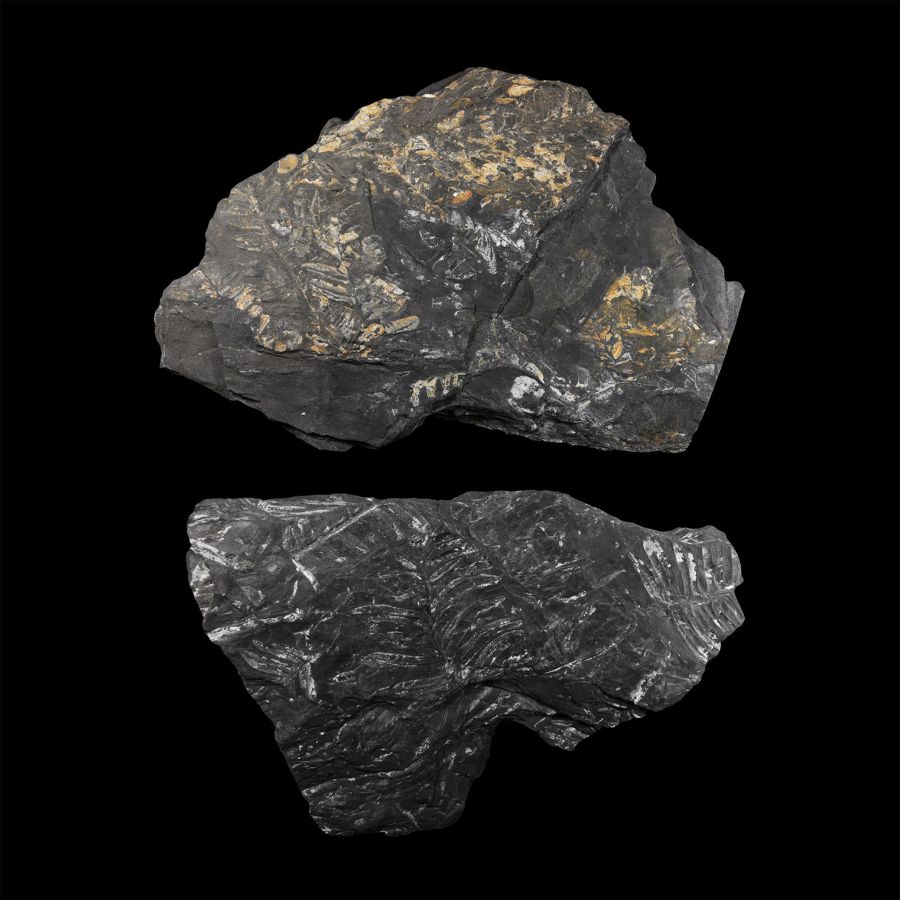
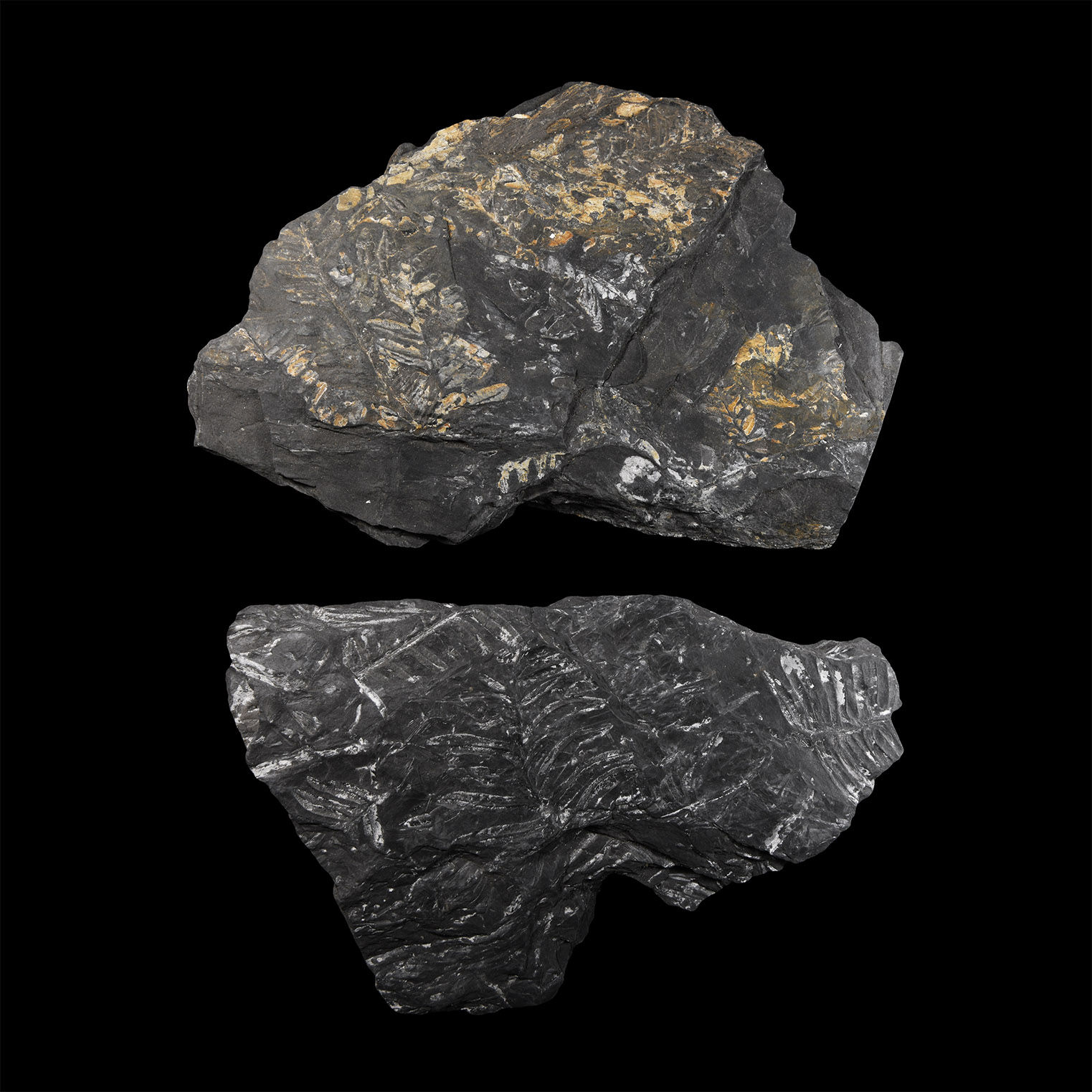
Natural History - White Pecopteris Fossil Fern Group
CARBONIFEROUS PERIOD, 359-299 MILLION YEARS B.P.
7 7/8 - 8 1/4 in. (1.34 kg total, 20-21 cm).
Contained in a matrix with specimens to both sides. [2, No Reserve]
ProvenanceFrom St. Clair, Pennsylvania, U.S.A.
Acquired during the 1980s.
From the Pradi Collection, Boston, U.S.A.
These fern fossils commonly found in coal-mining areas worldwide. However, the St. Clair ferns are treasured for their rarity and beauty, a result of the fossilised ferns gaining a coating of the mineral pyrophyllite which contrasts with the natural black shale matrix.
CONDITIONTimeLine Auctions follows a vetting process to ensure the authenticity and legality of all items, reinforcing our commitment to integrity and responsible trading. Each antiquity, antique, and coin lot undergoes thorough examination by a vetting committee of at least ten external specialists, professional trade association members, scientists, and archaeologists: Our Vetting Process
AUCTIONS:
TimeLine is a leading auction house specialising in antiquities, ancient art, collectables, natural history, coins, medals, and books. Our auctions offer museums, collectors, historians, and enthusiasts the opportunity to acquire unique and historically significant pieces.
-
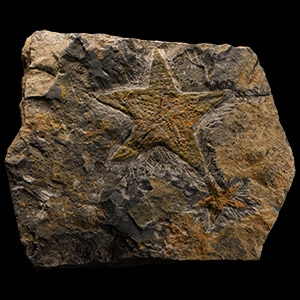
Natural History - Fossil Starfish on Matrix
Ordovician Age, 485-444 million years B.P.Sold for (Inc. bp): £59
Comprising two Petraster sp. specimens on a rectangular matrix; repaired. 761 grams, 16 cm
From a Lincolnshire, UK, collection. -
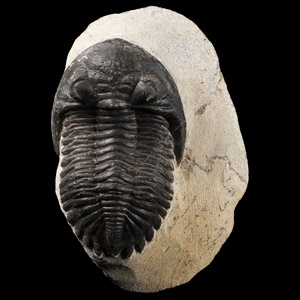
Natural History - Barrandei Fossil Trilobite
Devonian Period, 417-354 million years B.P.Sold for (Inc. bp): £72
Metacanthina barrandei on a matrix. 108 grams, 81 mm
From the Atlas Mountains, Hamar Laghdad Formation, Pragian, (Alnif), Morocco, North Africa. From an old Oxfordshire, UK, fossil and mineral collection. -
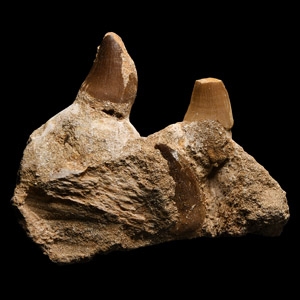
Natural History - Mosasaur Fossil Jaw Section
Cretaceous Period, 145-65 million years B.P.Sold for (Inc. bp): £20
From the lower jaw of Mosasaur prognathodon sp. displaying some teeth. 139 grams, 93 mm
From the phosphate mine region, Khouribga, Morocco, North Africa. Acquired 1950s-1960s. From an old Bristol, UK, paleontological collection.
