
Loading, please wait...
LOT 2350
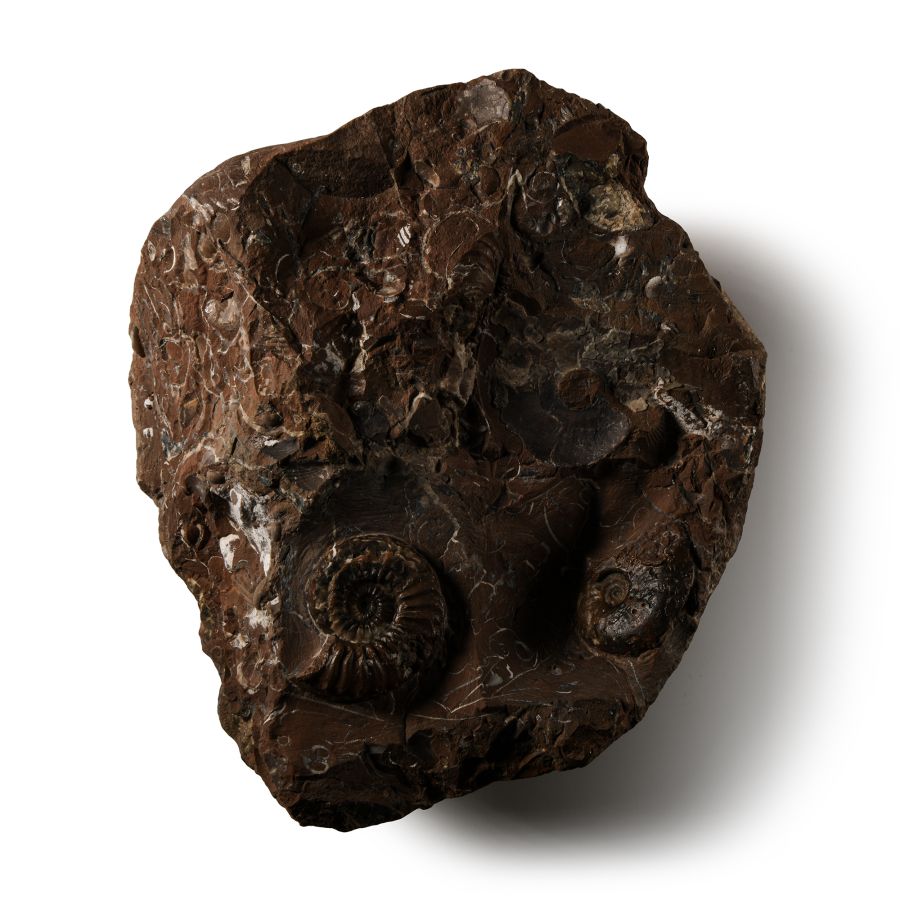
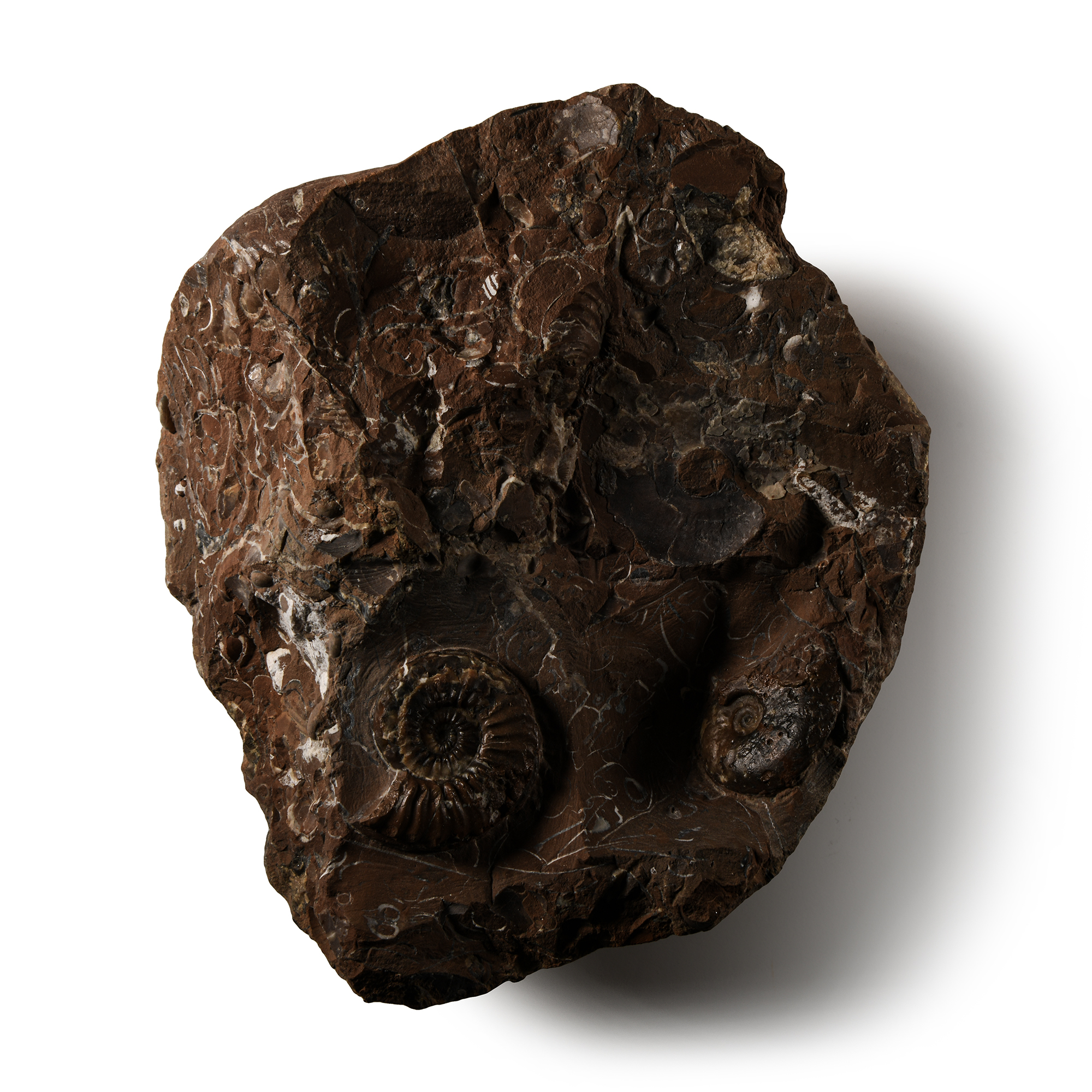
Natural History - Whitby Dac Fossil Ammonite Cluster
LOWER JURASSIC PERIOD, TOARCIAN STAGE, CIRCA, 180 MILLION YEARS B.P.
5 1/2 in. (902 grams, 14 cm).
A quantity of Dactylioceras sp. specimens on an irregular matrix. [No Reserve]
ProvenanceFrom Whitby, UK.
From a Lincolnshire, UK, collection.
TimeLine Auctions follows a vetting process to ensure the authenticity and legality of all items, reinforcing our commitment to integrity and responsible trading. Each antiquity, antique, and coin lot undergoes thorough examination by a vetting committee of at least ten external specialists, professional trade association members, scientists, and archaeologists: Our Vetting Process
AUCTIONS:
TimeLine is a leading auction house specialising in antiquities, ancient art, collectables, natural history, coins, medals, and books. Our auctions offer museums, collectors, historians, and enthusiasts the opportunity to acquire unique and historically significant pieces.
-
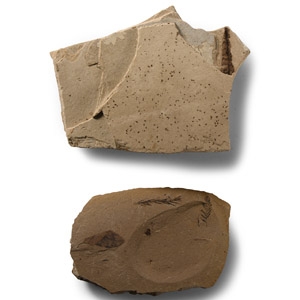
Natural History - Insects with Leaves
Eocene Period, circa 58 million years B.P.Sold for (Inc. bp): £7
Comprising: a matrix displaying dozens of insects with a leaf, showing specimens on both sides of the matrix, and a matrix including a Salix sp. leaf and two Metasequoia. 140 grams total, 9-11.5 cm
From the Florissant fossil quarry, Florissant, Colorado, USA; and the Muddy Creek Formation, Beaverhead County, Montana, USA. -
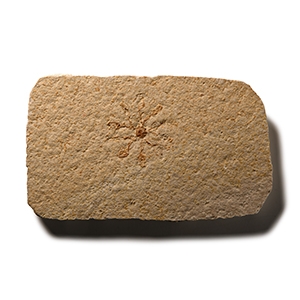
Natural History - Fossil Sinosura Brittlestar
Jurassic Period, circa 199-145 million years B.P.Sold for (Inc. bp): £33
On a matrix, possibly Sinosura kelheimense. 170 grams, 12 cm
From Stonhoffen, Germany. From a Lincolnshire, UK, collection. -
![Natural History - Boxed Unpolished Fossil Tree Branch Section Group [8]](https://timelineauctions.com/upload/images/items/small/211440-s.jpg)
Natural History - Boxed Unpolished Fossil Tree Branch Section Group [8]
Triassic Period, 251-199 million years B.P.Sold for (Inc. bp): £20
Comprising eight cut sections, each showing some bark detail; in labelled specimen boxes. 215 grams total, 23-34 mm
From Madagascar. Ex Mineral Imports, London, UK. Gregory, Bottley & Lloyd (Gregory's).
