
Loading, please wait...
LOT 2296
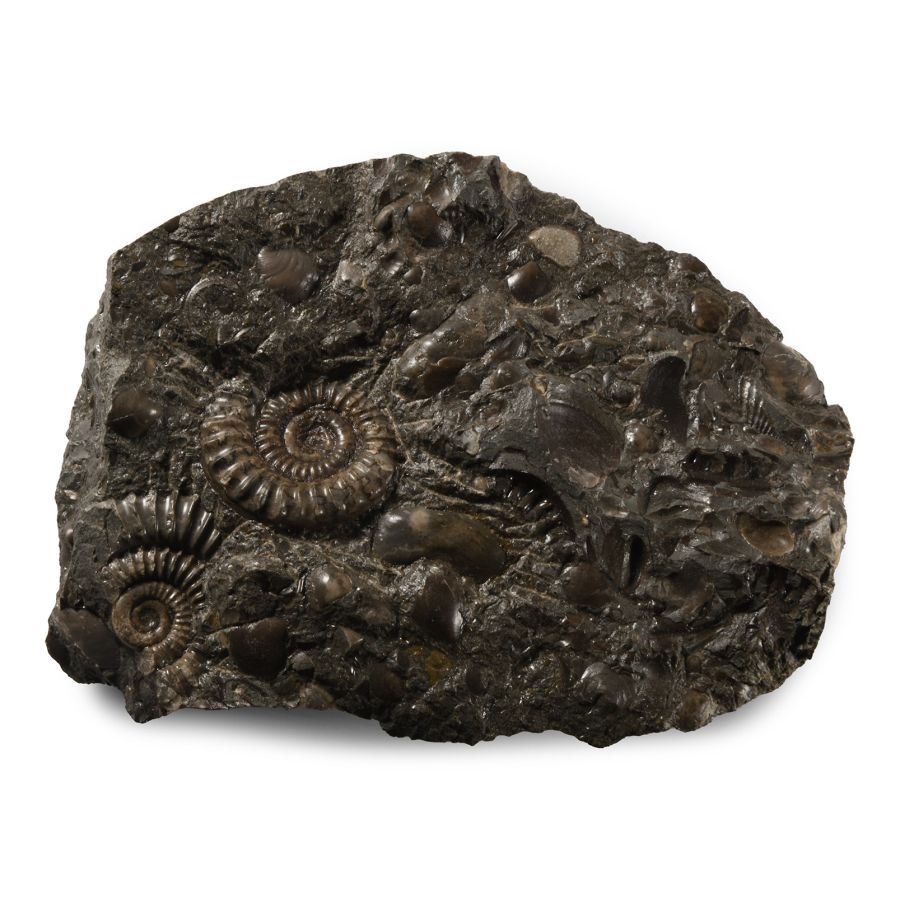
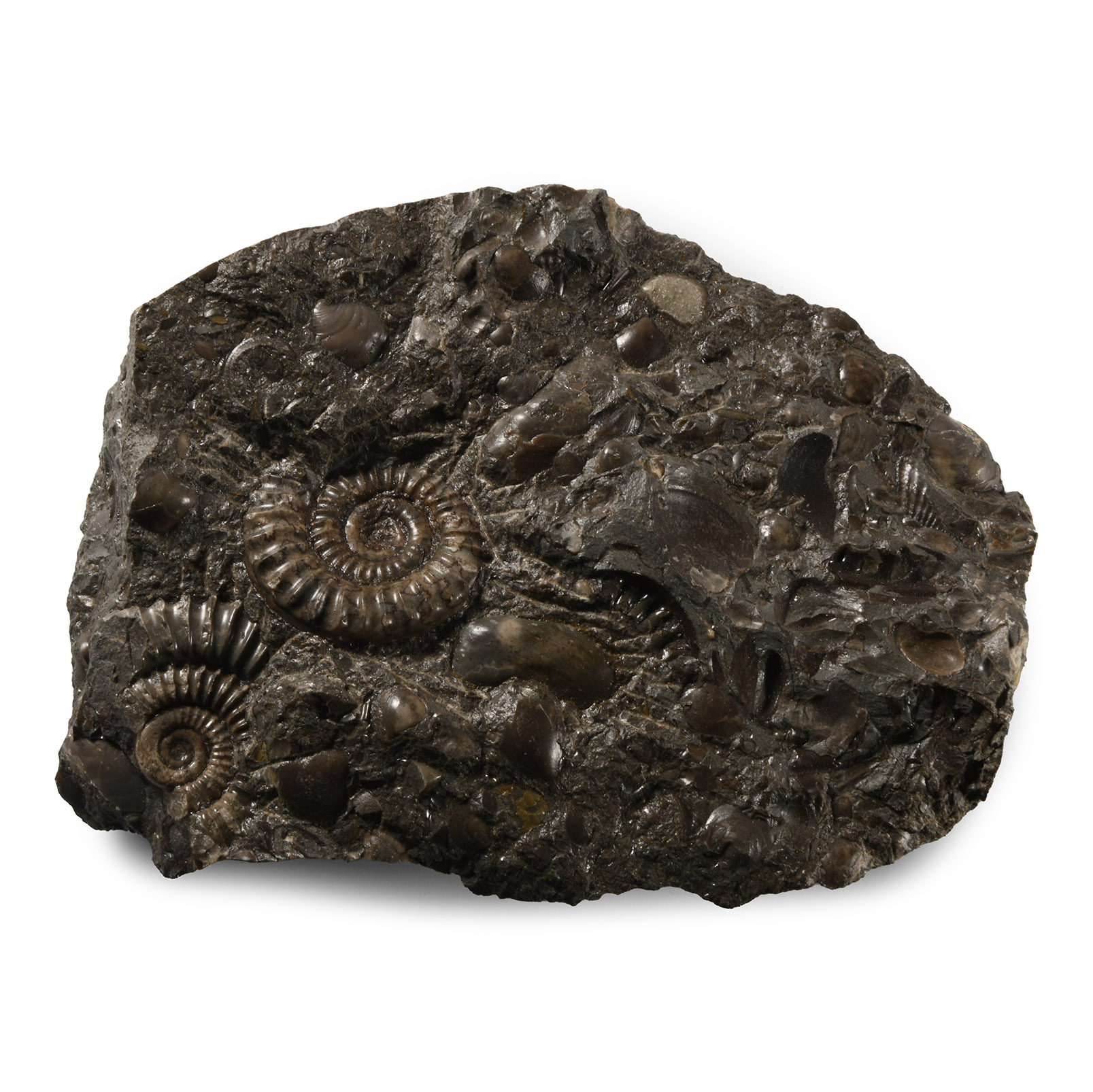
Natural History - Whitby Dac Fossil Ammonite Cluster
LOWER JURASSIC PERIOD, TOARCIA STAGE, CIRCA 180 MILLION YEARS B.P.
6 1/8 in. (790 grams, 15.5 cm).
A group of Dactylioceras sp. and other fossils in an irregular shale matrix. [No Reserve]
ProvenanceFrom Whitby, UK.
From a Lincolnshire, UK, collection.
TimeLine Auctions follows a vetting process to ensure the authenticity and legality of all items, reinforcing our commitment to integrity and responsible trading. Each antiquity, antique, and coin lot undergoes thorough examination by a vetting committee of at least ten external specialists, professional trade association members, scientists, and archaeologists: Our Vetting Process
AUCTIONS:
TimeLine is a leading auction house specialising in antiquities, ancient art, collectables, natural history, coins, medals, and books. Our auctions offer museums, collectors, historians, and enthusiasts the opportunity to acquire unique and historically significant pieces.
-
![Natural History - Boxed Polished Quartz Rock Crystal Specimen Group [10]](https://timelineauctions.com/upload/images/items/small/211449-s.jpg)
Natural History - Boxed Polished Quartz Rock Crystal Specimen Group [10]
Sold for (Inc. bp): £26
Comprising ten cut sections of large translucent crystals, each in a labelled cardboard box. 614 grams total, 40-45 mm
From Brazil. Ex Mineral Imports, London, UK. Gregory, Bottley & Lloyd (Gregory's). -
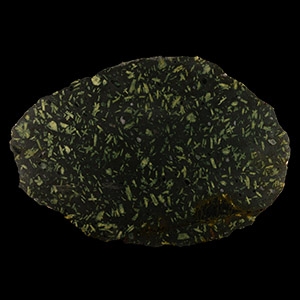
Natural History - Large Historic Roman 'Spartan Basalt' Cut & Polished Green Porphyry Sheet
Sold for (Inc. bp): £845
A very large lacquered cut section, mined in Greece, cut and polished on one side, probably recycled material mined in ancient Roman times. 1.01 kg, 32 cm
From Greece. Ex Mineral Imports, London, UK. Gregory, Bottley & Lloyd (Gregory's). -
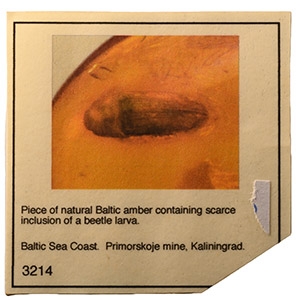
Natural History - Large Beetle Larva in Baltic Amber
Oligocene Period, circa 45 million years B.P.Sold for (Inc. bp): £72
Polished to highlight the beetle larva inclusion. 1.08 grams, 25 mm
From Primorskoje mine, Yantarnyi, Kaliningrad. Property of an Essex gentleman. Accompanied by an illustrated identification card.
