
Loading, please wait...
LOT 2421
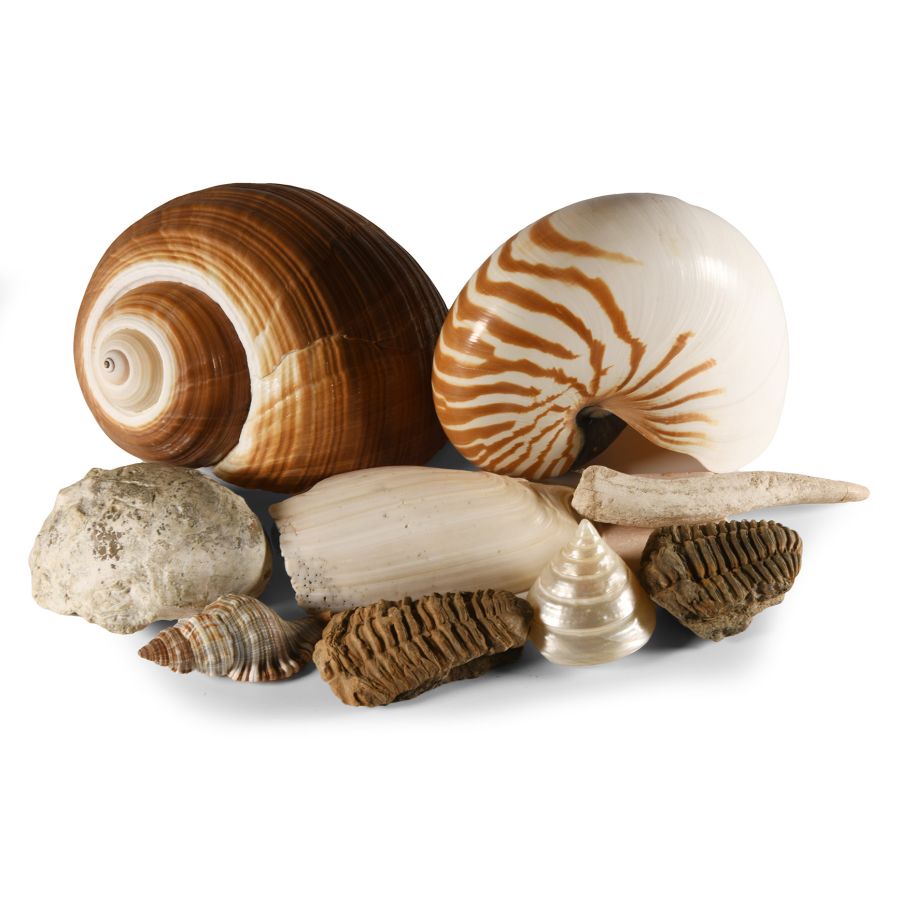
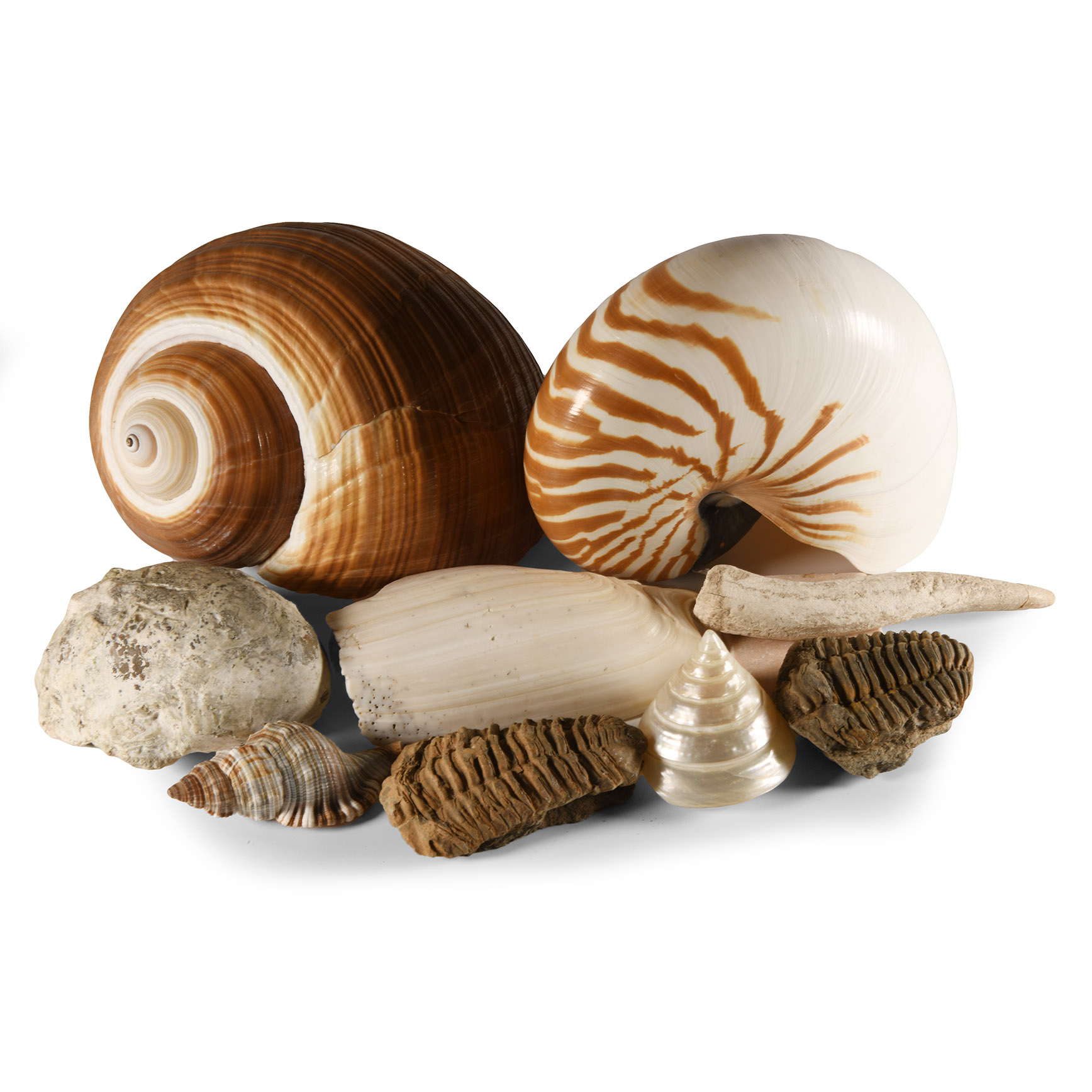
Natural History - Shell and Fossil Group
UPPER DEVONIAN PERIOD, CIRCA 419-358 MILLION YEARS B.P.-20TH CENTURY A.D.
2 - 7 1/8 in. (890 grams total, 5.1-18 cm).
Including a Phacops rana trilobite and other types. [9, No Reserve]
ProvenanceFrom a collection acquired on the UK art market from various auction houses and collections mostly before 2000.
From an important Cambridgeshire estate; thence by descent.
TimeLine Auctions follows a vetting process to ensure the authenticity and legality of all items, reinforcing our commitment to integrity and responsible trading. Each antiquity, antique, and coin lot undergoes thorough examination by a vetting committee of at least ten external specialists, professional trade association members, scientists, and archaeologists: Our Vetting Process
AUCTIONS:
TimeLine is a leading auction house specialising in antiquities, ancient art, collectables, natural history, coins, medals, and books. Our auctions offer museums, collectors, historians, and enthusiasts the opportunity to acquire unique and historically significant pieces.
-
![Natural History - Grade A Cut and Polished Agate Slice Collection with Eyes [4]](https://timelineauctions.com/upload/images/items/small/211418-s.jpg)
Natural History - Grade A Cut and Polished Agate Slice Collection with 'Eyes' [4]
Sold for (Inc. bp): £13
Comprising three examples with mainly orange and grey banding, one with grey and light brown banding; each example with a number of attractive eye-shaped formations. 466 grams total, 11.5- 11.8 cm
Ex Mineral Imports, London, UK. Gregory, Bottley & Lloyd (Gregory's). -
![Natural History - Cut and Polished Sodalite Slab Group [3]](https://timelineauctions.com/upload/images/items/small/211469-s.jpg)
Natural History - Cut and Polished Sodalite Slab Group [3]
Sold for (Inc. bp): £7
Comprising three irregular pieces with one polished face showing the contrasting white veining. 209 grams total, 8.2-10 cm
Ex Mineral Imports, London, UK. Gregory, Bottley & Lloyd (Gregory's). -
![Natural History - Cut and Polished Lapis Lazuli Tile Group [3]](https://timelineauctions.com/upload/images/items/small/211424-s(1).jpg)
Natural History - Cut and Polished Lapis Lazuli Tile Group [3]
Sold for (Inc. bp): £65
Of rectangular form with one polished face. 345 grams total, 9.4-10.1 cm
Ex Mineral Imports, London, UK. Gregory, Bottley & Lloyd (Gregory's).
