
Loading, please wait...
LOT 2449
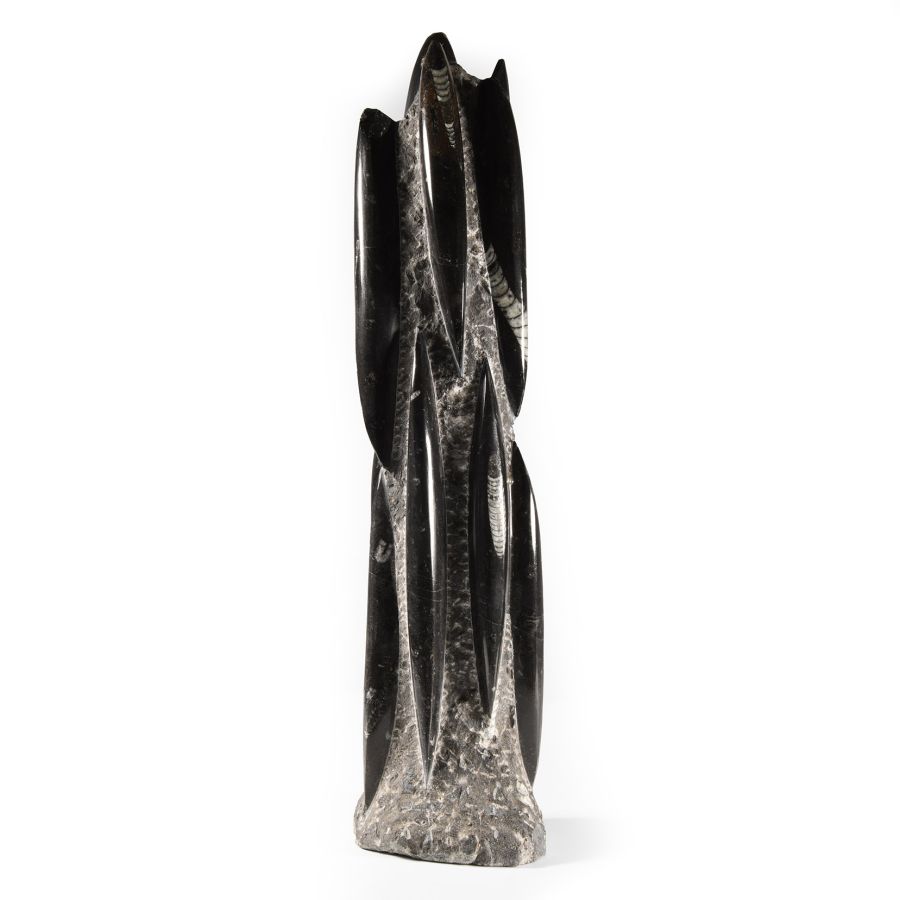
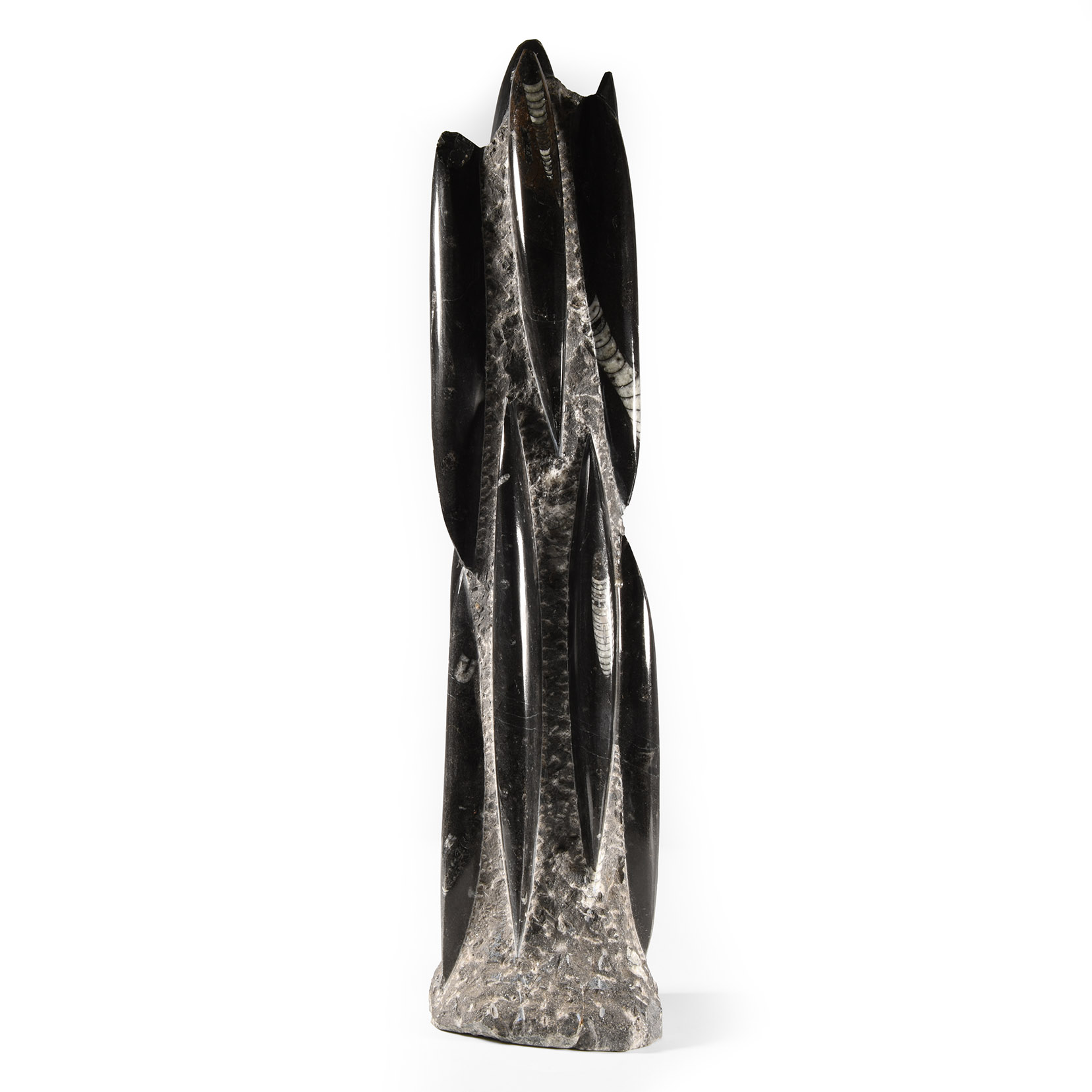
Natural History - Polished Fossil Orthoceras Column
DEVONIAN PERIOD, CIRCA 417-354 MILLION YEARS B.P.
18 1/2 in. (5.3 kg, 47 cm).
Comprising polished Orthoceras sp. specimens on a textured freestanding matrix. [No Reserve]
ProvenanceFrom the Atlas Mountains of Morocco, North Africa.
From a Lincolnshire, UK, collection.
TimeLine Auctions follows a vetting process to ensure the authenticity and legality of all items, reinforcing our commitment to integrity and responsible trading. Each antiquity, antique, and coin lot undergoes thorough examination by a vetting committee of at least ten external specialists, professional trade association members, scientists, and archaeologists: Our Vetting Process
AUCTIONS:
TimeLine is a leading auction house specialising in antiquities, ancient art, collectables, natural history, coins, medals, and books. Our auctions offer museums, collectors, historians, and enthusiasts the opportunity to acquire unique and historically significant pieces.
-
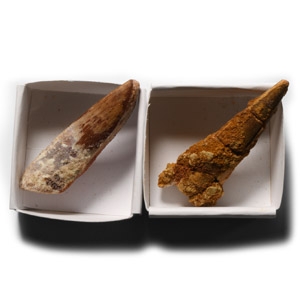
Natural History - Fossil Spinosaurus Dinosaurus Tooth Pair
Cretaceous Period, circa 125-113 million years B.P.Sold for (Inc. bp): £59
Comprising two teeth with partial roots; repaired. 19 grams total, 52 mm
From in the phosphate mine region, Khouribga, Morocco, North Africa. From a Lincolnshire, UK, collection.
The Spinosaurus was both a beachcomber type scavenger and an active hunter taking small stranded Plesiosaurs, Pterosaurs, turtles and large fish. -
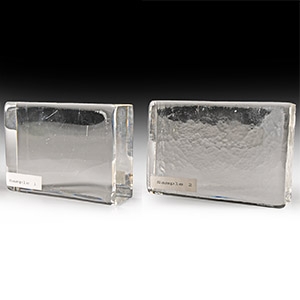
Natural History - Two Glass Display Bases
Sold for (Inc. bp): £7
Formed of thick glass with rounded corners, one labelled as 'Sample 1', the other as 'Sample 2'. 3.36 kg total, 14.8 cm each
Ex Mineral Imports, London, UK. Gregory, Bottley & Lloyd (Gregory's). -
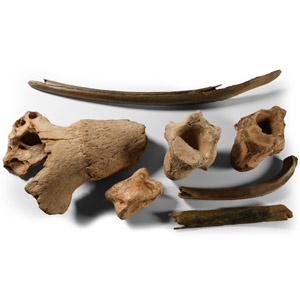
Natural History - British Fossil Bison Bone Collection
Pleistocene Period, circa 2.6 million-11,700 years B.P.Sold for (Inc. bp): £7
Comprising sections of ribs, vertebrae and other bones from Bison priscus. 1.32 kg total, 7.5-40 cm
From Oxfordshire, UK. From a Norfolk, UK, collection.
