
Loading, please wait...
LOT 2377
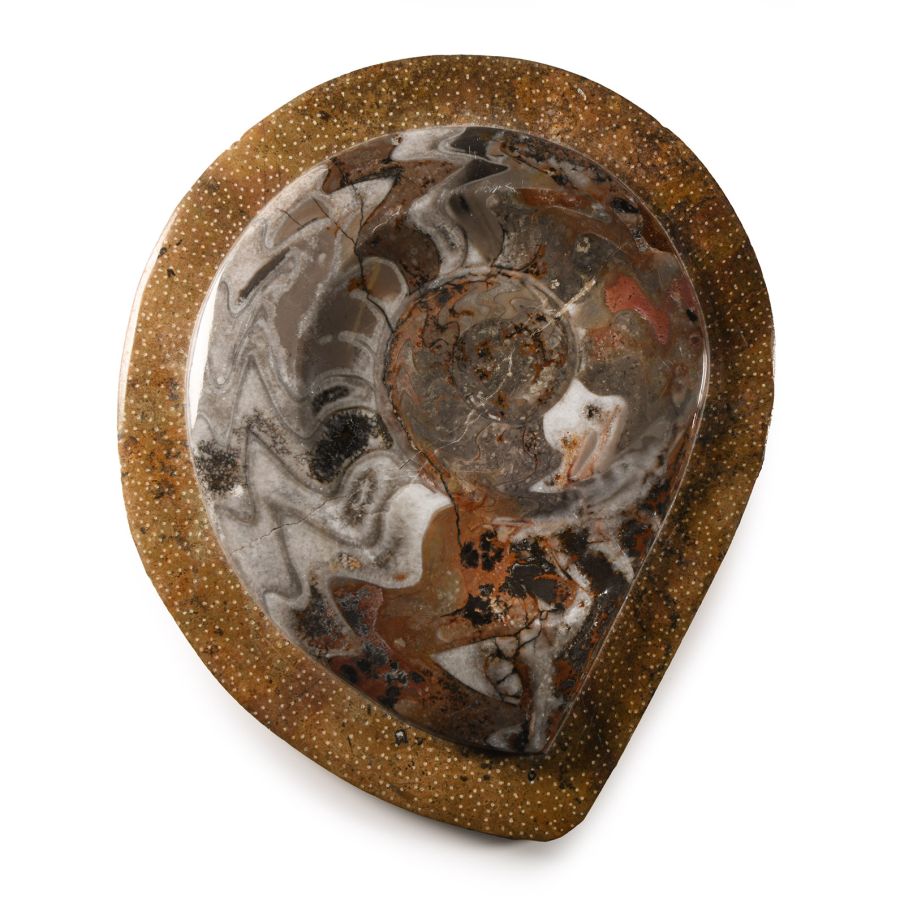
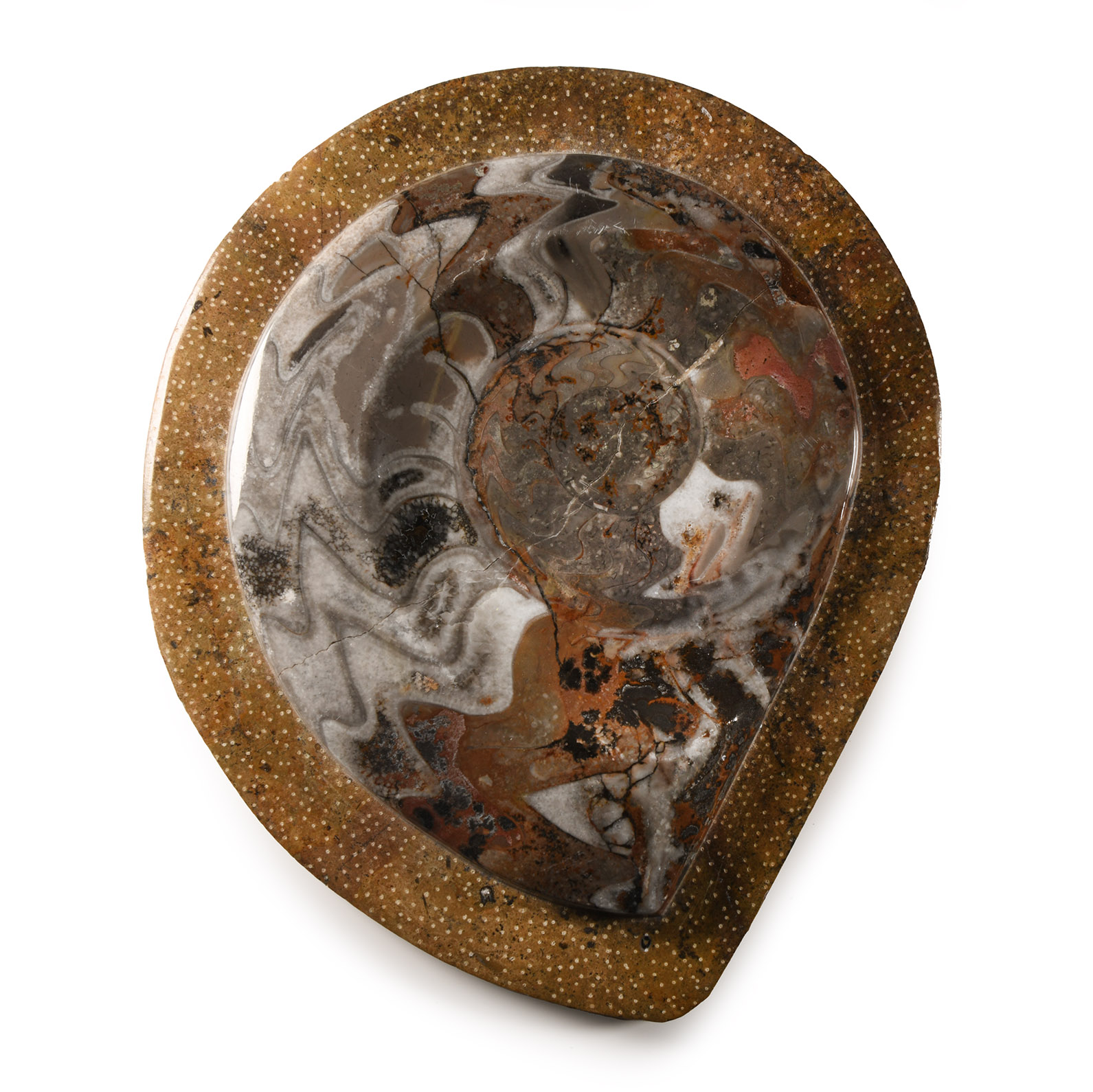
Natural History - Polished Fossil Goniatite Plate
DEVONIAN PERIOD, CIRCA 417-354 MILLION YEARS B.P.
6 1/4 in. (562 grams, 16 cm).
The polished ammonite set on a textured matrix. [No Reserve]
ProvenanceFrom a Cambridgeshire, UK, collection.
Property of a Cambridgeshire, UK, gentleman.
TimeLine Auctions follows a vetting process to ensure the authenticity and legality of all items, reinforcing our commitment to integrity and responsible trading. Each antiquity, antique, and coin lot undergoes thorough examination by a vetting committee of at least ten external specialists, professional trade association members, scientists, and archaeologists: Our Vetting Process
AUCTIONS:
TimeLine is a leading auction house specialising in antiquities, ancient art, collectables, natural history, coins, medals, and books. Our auctions offer museums, collectors, historians, and enthusiasts the opportunity to acquire unique and historically significant pieces.
-
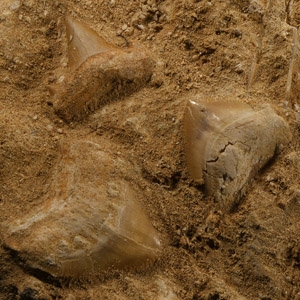
Natural History - Fossil Mosasaur 'Marine Dinosaur' and Shark Teeth
Cretaceous Period, 145-65 million years B.P.Sold for (Inc. bp): £7
A sandstone matrix comprising a Mosasaur prognathodon tooth and three shark teeth. 453 grams, 11 cm
From a Cambridgeshire, UK, collection. Property of a Cambridgeshire, UK, gentleman. -
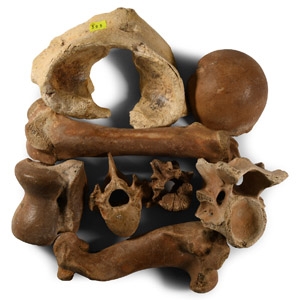
Natural History - British Wild Boar and Other Fossil Bone Group
Late Pleistocene Period, 1.5 million-7,700 years B.P.Sold for (Inc. bp): £1
Including wild boar, deer, and others, comprising: neck vertebrae, collar bone, ball-shaped finial of the bone, etc. 1.54 kg total, 6.2-23 cm
Found Colwick Park, Nottinghamshire, UK. Ian Wilkinson collection, Nottinghamshire, UK, formed since 1985. -
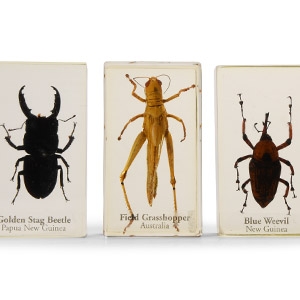
Natural History - Insect Paper Weight Group
20th century A.D.Sold for (Inc. bp): £39
Comprising three labelled resin display blocks with a field grasshopper from Australia, a blue weevil from New Guinea, and a golden stag beetle from Papua New Guinea. 259 grams total, 73 x 41 mm each
Acquired from Newark Fossil and Gem Fair, circa 2012. Ian Wilkinson collection, Nottinghamshire, UK.
