
Loading, please wait...

LOT 2620
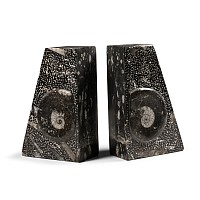
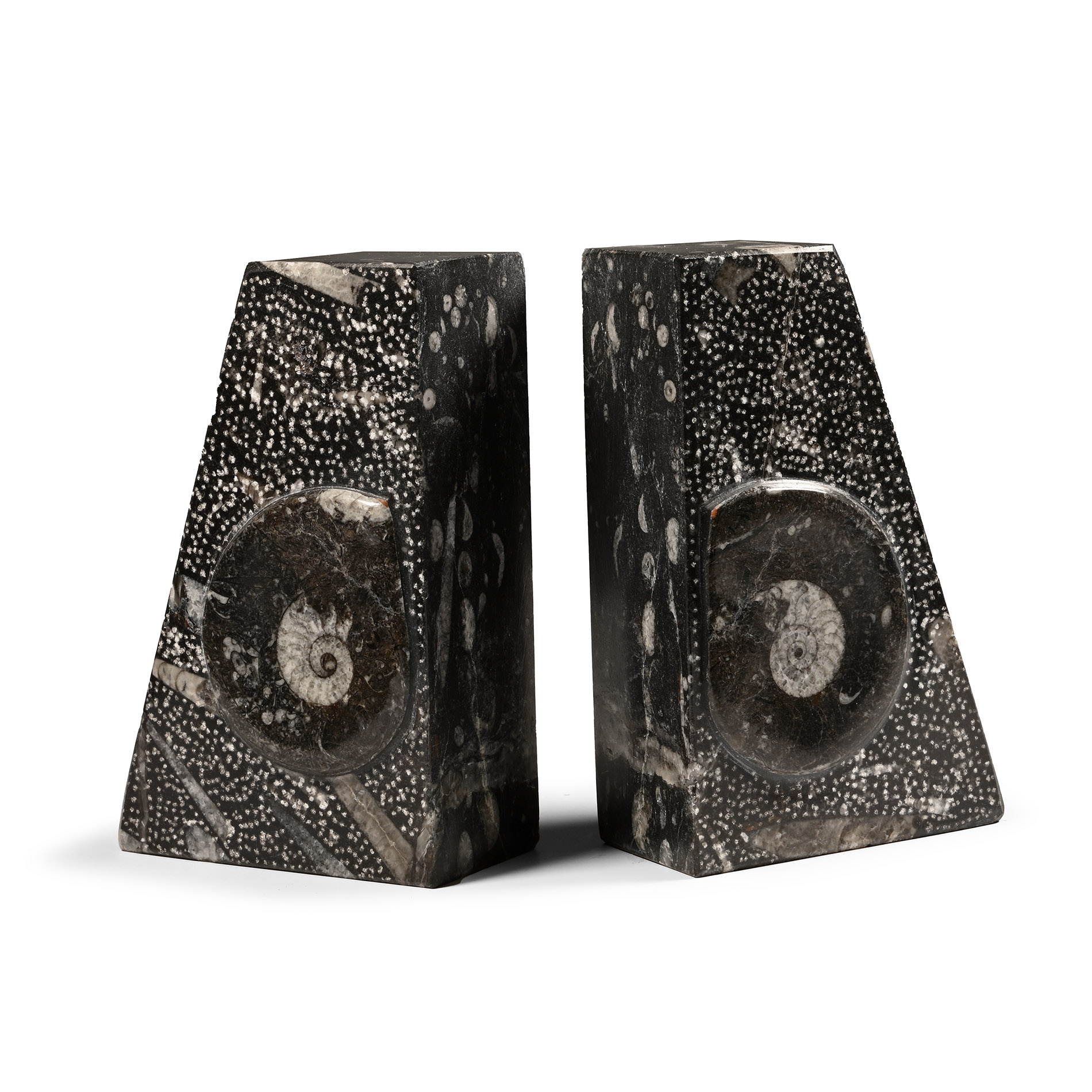
Natural History - Polished Fossil Goniatite Book Ends
DEVONIAN PERIOD, CIRCA 417-354 MILLION YEARS B.P.
6 3/8 in. (3.58 kg total, 16.2 cm each).
A pair of bookends formed from fossiliferous stone showing multiple goniatite and orthoceras fossils, two large Goniatite sp. fossils set to the frontal face. [2, No Reserve]
ProvenanceFrom a Cambridgeshire, UK, collection.
CONDITIONTimeLine Auctions follows a vetting process to ensure the authenticity and legality of all items, reinforcing our commitment to integrity and responsible trading. Each antiquity, antique, and coin lot undergoes thorough examination by a vetting committee of at least ten external specialists, professional trade association members, scientists, and archaeologists: Our Vetting Process
AUCTIONS:
TimeLine is a leading auction house specialising in antiquities, ancient art, collectables, natural history, coins, medals, and books. Our auctions offer museums, collectors, historians, and enthusiasts the opportunity to acquire unique and historically significant pieces.
-
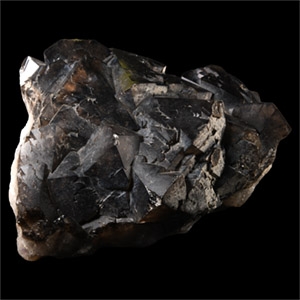
Natural History - Large Historic Smokey Quartz Crystal Specimen
Sold for (Inc. bp): £104
A very large specimen displaying very dark crystals. 5.6 kg, 20 cm
Acquired on the UK mineral and fossil market, since 1970. From the historic mineral collection of Richard Valentine Cain, London, UK, thence by descent. -
.jpg)
Natural History - Polished Green Tourmaline Group
Sold for (Inc. bp): £39
Comprising a quantity of 500 carats of tumble-polished green tourmaline crystals. 100 grams total, 6-15 mm
UK gallery, early 2000s. -
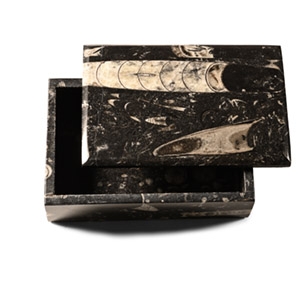
Natural History - Polished Fossil Orthoceras Trinket Box
Devonian Period, circa 417-354 million years B.P.Sold for (Inc. bp): £13
A rectangular lidded box carved from fossiliferous stone showing multiple Orthoceras sp. specimens. 912 grams, 15 x 9.6 cm
From a Cambridgeshire, UK, collection.
