
Loading, please wait...
LOT 2190
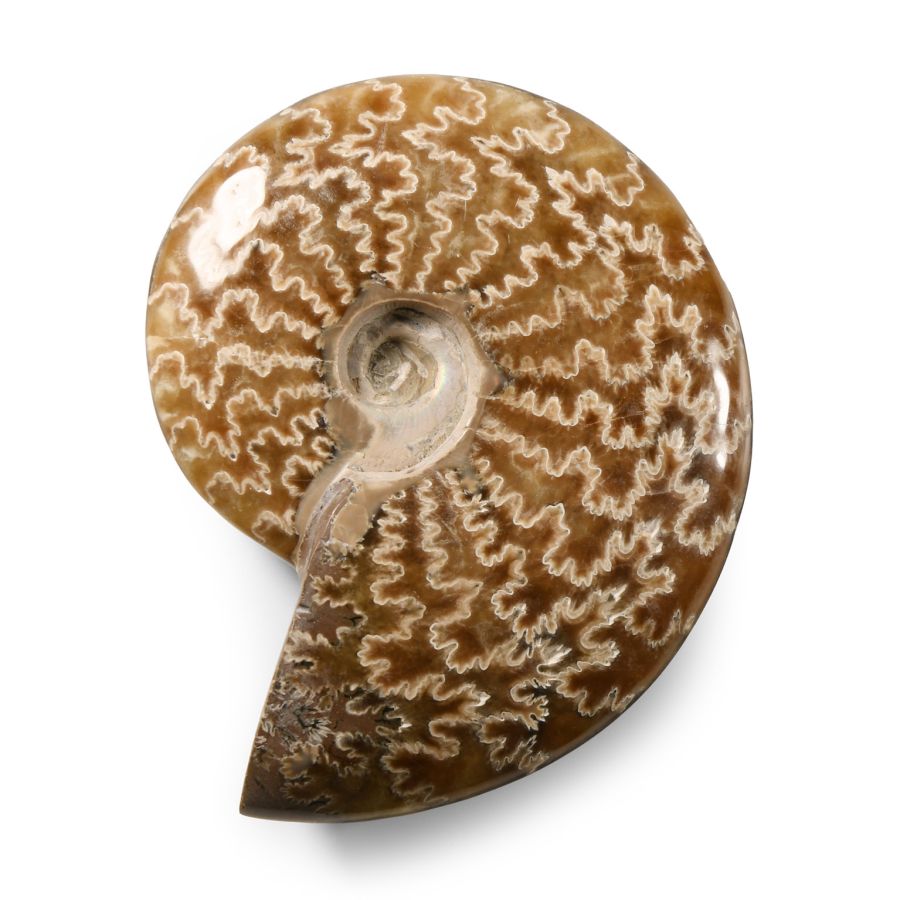
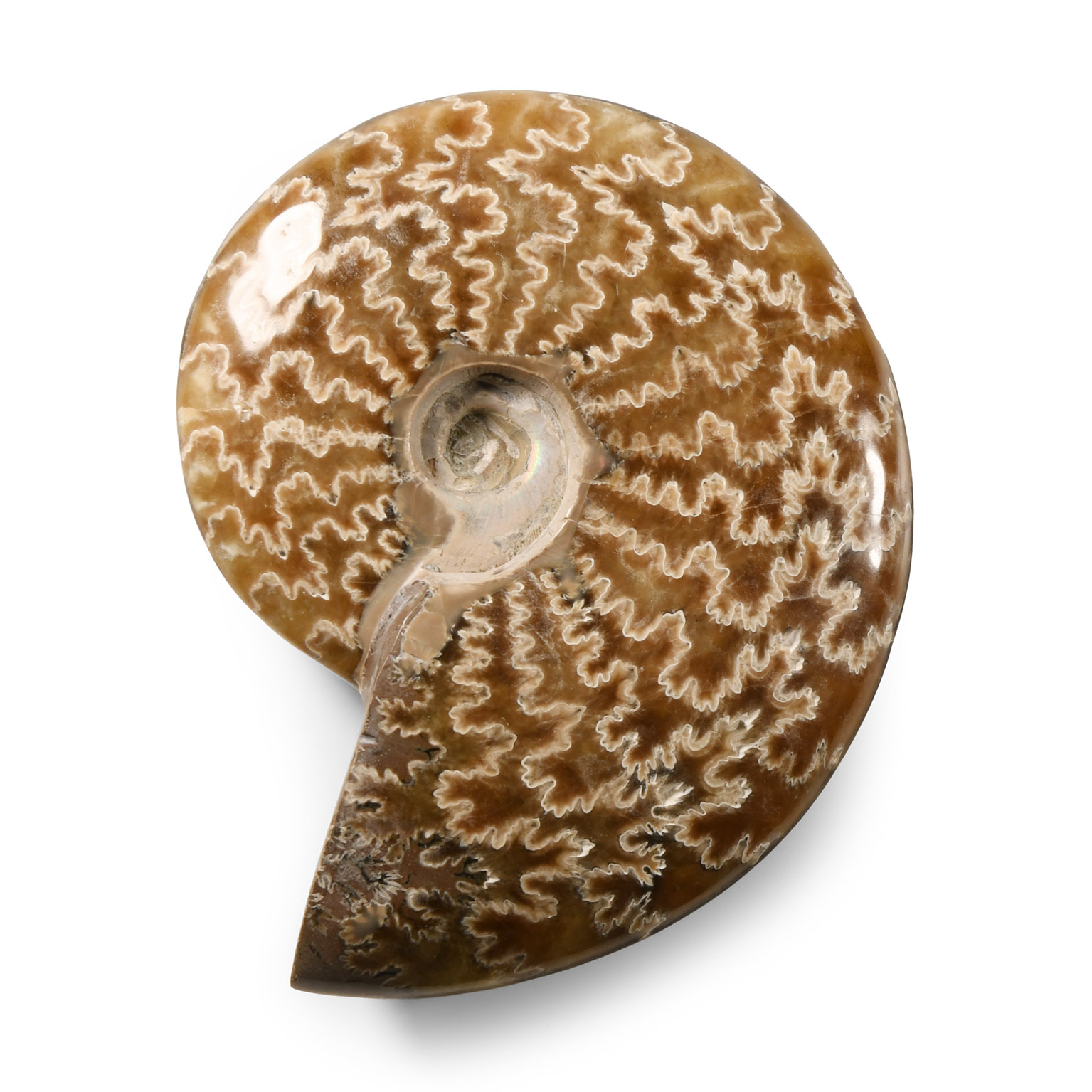
Natural History - Polished Fossil Cleoniceras Ammonite
CRETACEOUS PERIOD, CIRCA 113-100 MILLION YEARS B.P.
3 5/8 in. (188 grams, 93 mm).
Polished to reveal the internal suture lines, some iridescence to the centre. [No Reserve]
ProvenanceFrom Madagascar.
From a Lincolnshire, UK, collection.
Property of a Cambridgeshire, UK, gentleman.
TimeLine Auctions follows a vetting process to ensure the authenticity and legality of all items, reinforcing our commitment to integrity and responsible trading. Each antiquity, antique, and coin lot undergoes thorough examination by a vetting committee of at least ten external specialists, professional trade association members, scientists, and archaeologists: Our Vetting Process
AUCTIONS:
TimeLine is a leading auction house specialising in antiquities, ancient art, collectables, natural history, coins, medals, and books. Our auctions offer museums, collectors, historians, and enthusiasts the opportunity to acquire unique and historically significant pieces.
-
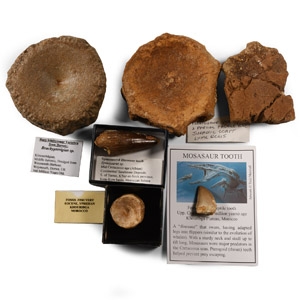
Natural History - 'Marine Dinosaur' Fossil Collection
Jurassic to Cretaceous Period, circa 180-60 million years B.P.Sold for (Inc. bp): £20
Comprising: a mosasaur tooth with an information card; a spinosaurus tooth with an information label; a fish vertebra with an information label; an ichthyosaur vertebra from Weymouth, Dorset; a plesiosaur vertebra and a partial paddle bone from Lyme Regis. 884 grams total, 3-10.1 cm
Found Lyme Regis, Weymouth, UK, and Morocco, North Africa. Ian Wilkinson collection, Nottinghamshire, UK, formed since 1985. -
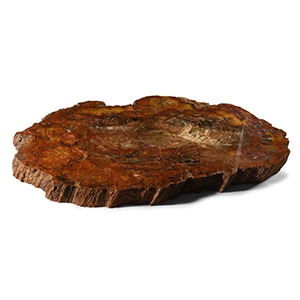
Natural History - Huge Sliced Section of Fossilised 'Rainbow' Wood
235 million years B.P.Estimate: £2,000 - 3,000 (+bp*)
Opening Bid: £1,000
Petrified tree section of 40-46mm thickness with finely polished finish to upper and lower faces and set into resin; edges slightly chamfered. 26.2 kg, 68 cm
From the private collection of Mr J.G., UK, a company executive.
The petrified wood from Araucarioxylon arizonicum is often referred to as "rainbow wood" due to the variety of subtle, warm colours it exhibits, mainly in the red-orange range from hematite and limonite inclusions within the silica. -
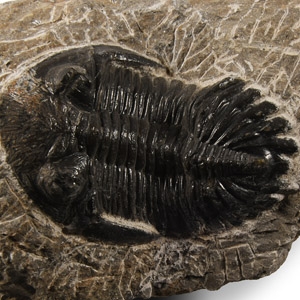
Natural History - Fossil Cornuproetus Trilobite
Devonian Period, 416-359 million years B.P.Sold for (Inc. bp): £26
Cornuproetus sp. displaying distinctive swept-back genal spines. 372 grams, 10 cm
From a Cambridgeshire, UK, collection. Property of a Cambridgeshire, UK, gentleman.
