
Loading, please wait...
LOT 2403
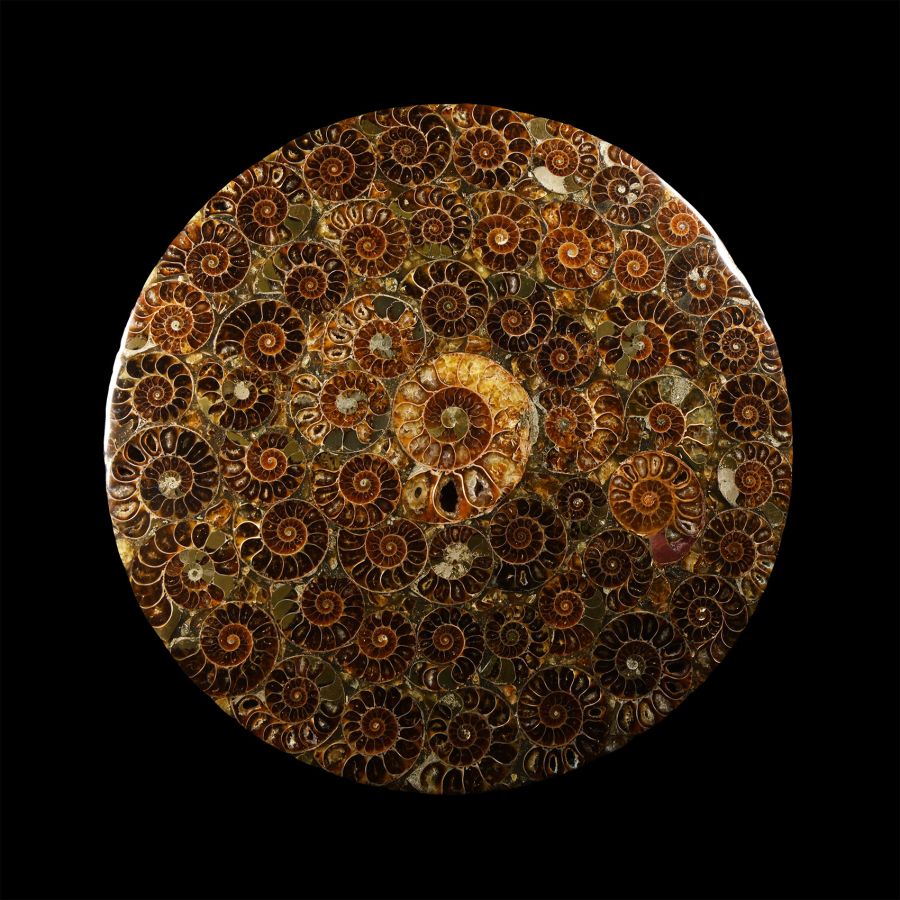
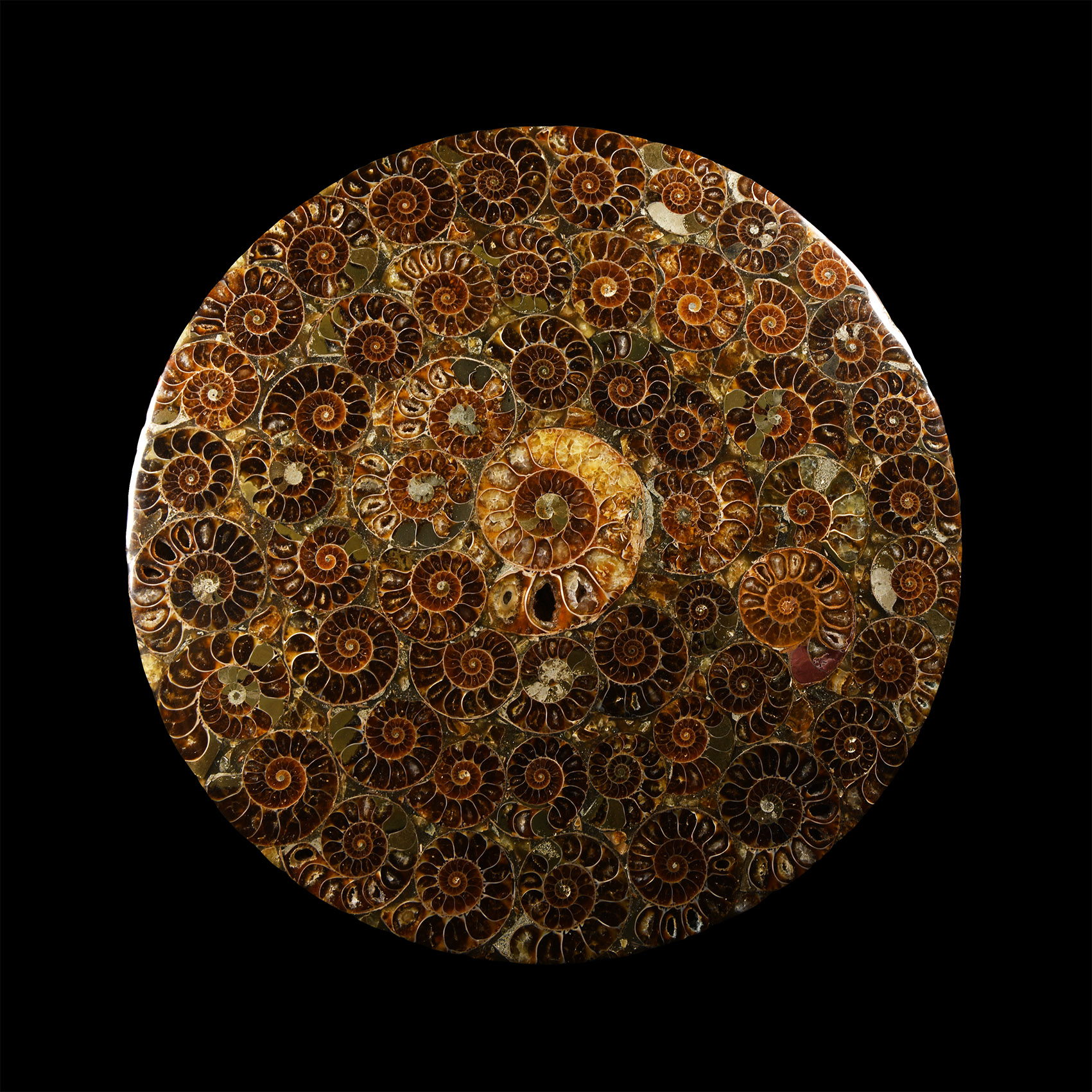
Natural History - Polished Ammonite Plate
JURASSIC PERIOD, 199-145 MILLION YEARS B.P.
9 in. (778 grams, 23 cm wide).
Comprising a composite of various sized ammonites with polished upper surface. [No Reserve]
ProvenanceFrom Madagascar.
From a Lincolnshire, UK, collection.
TimeLine Auctions follows a vetting process to ensure the authenticity and legality of all items, reinforcing our commitment to integrity and responsible trading. Each antiquity, antique, and coin lot undergoes thorough examination by a vetting committee of at least ten external specialists, professional trade association members, scientists, and archaeologists: Our Vetting Process
AUCTIONS:
TimeLine is a leading auction house specialising in antiquities, ancient art, collectables, natural history, coins, medals, and books. Our auctions offer museums, collectors, historians, and enthusiasts the opportunity to acquire unique and historically significant pieces.
-
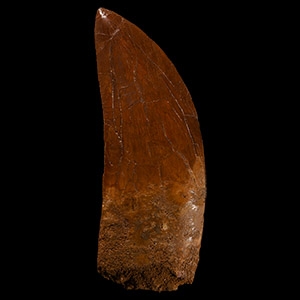
Natural History - Large Fossil North African 'T-Rex' Tooth
Cretaceous Period, 145-65 million years B.P.Sold for (Inc. bp): £546
From Carcharodontosaurus saharicus displaying some serrations and partial root. 55 grams, 94 mm
From a Cambridgeshire, UK, collection. -
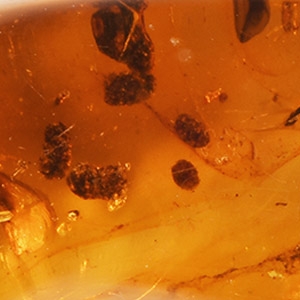
Natural History - Large Display Piece of Polished Amber with Insects
Oligocene Period, circa 45 million years B.P.Sold for (Inc. bp): £98
Containing flies together with other inclusions. 32.6 grams, 75 mm
UK collection since the 1990s. Property of a Sussex, UK, teacher. -
.jpg)
Natural History - Woolly Mammoth Bone Bead Necklace String
Devensian Period, 110,000-12,000 years B.P.Sold for (Inc. bp): £72
Restrung using polished Mammuthus primigenius bone beads. 93 grams, 64 cm long
Ex private collection of a Shropshire, UK, gentleman, 1990s.
