
Loading, please wait...
LOT 2263
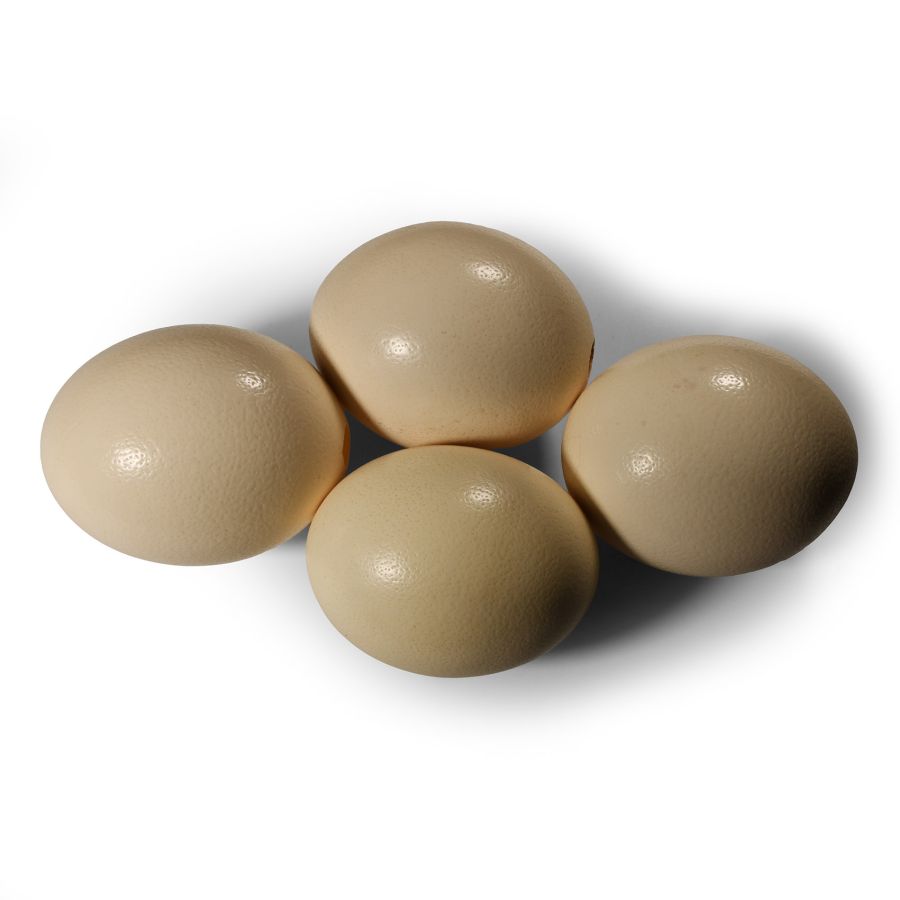
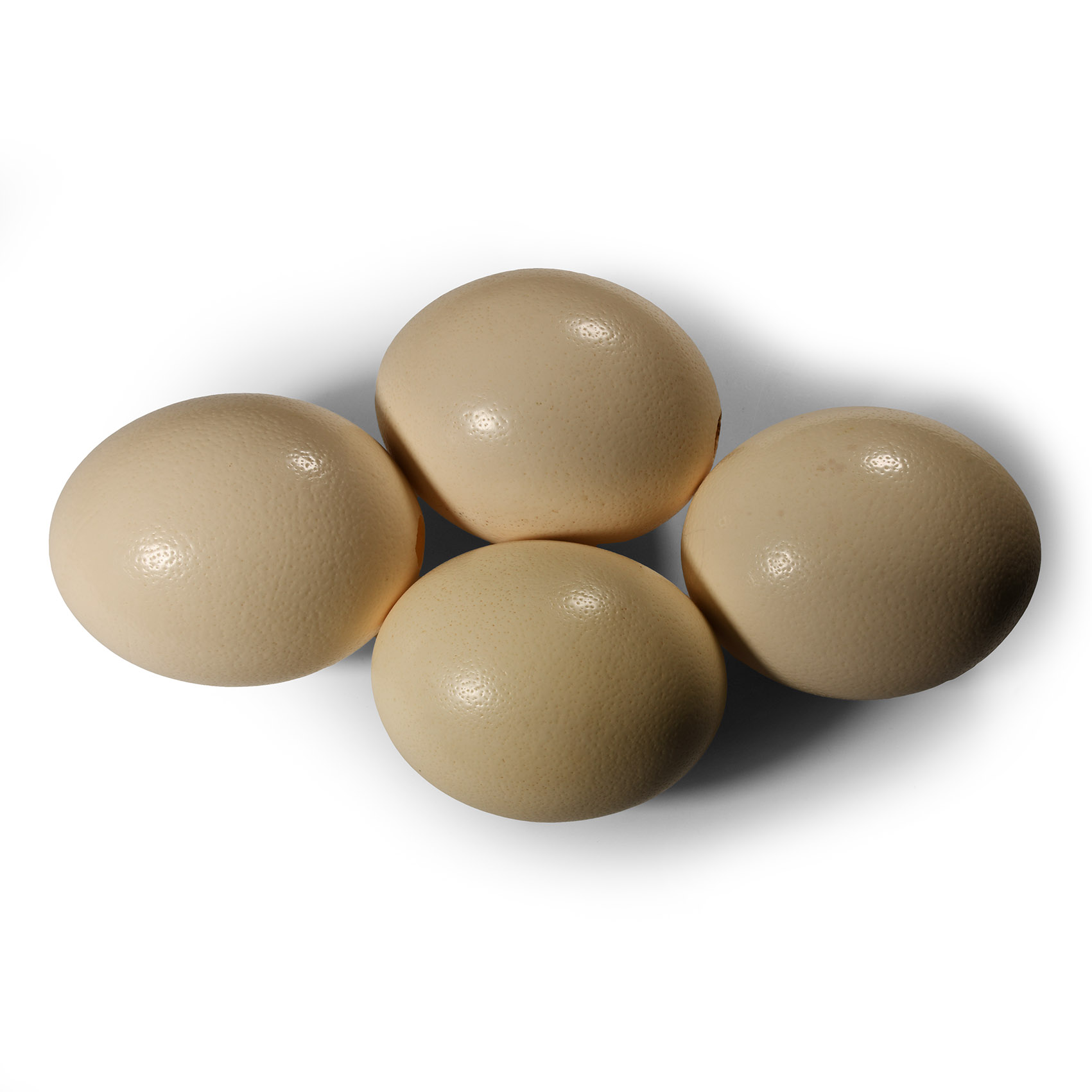
Natural History - Ostrich Egg Collection
20TH CENTURY A.D.
5 3/4 - 6 1/8 in. (969 grams total, 14.5-15.5 cm).
Comprising four glossy cream-coloured eggs with drilled holes to the base. [4, No Reserve]
ProvenanceAcquired from various sources within the UK.
Ian Wilkinson collection, Nottinghamshire, UK, formed since 1985.
TimeLine Auctions follows a vetting process to ensure the authenticity and legality of all items, reinforcing our commitment to integrity and responsible trading. Each antiquity, antique, and coin lot undergoes thorough examination by a vetting committee of at least ten external specialists, professional trade association members, scientists, and archaeologists: Our Vetting Process
AUCTIONS:
TimeLine is a leading auction house specialising in antiquities, ancient art, collectables, natural history, coins, medals, and books. Our auctions offer museums, collectors, historians, and enthusiasts the opportunity to acquire unique and historically significant pieces.
-
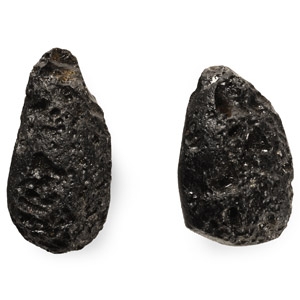
Natural History - Indo-Chinite Black Meteoritic Glass Tektite Group
Found circa 2010 A.D.Sold for (Inc. bp): £59
Black tektite pair formed from the impact of a meteorite. 30 grams total, 33-37 mm
Acquired from Steve Arnold, co-star of 'Meteorite Men'. Ian Wilkinson collection, Nottinghamshire, UK. Accompanied by a card from Steve Arnold and an information sheet on tektites. -
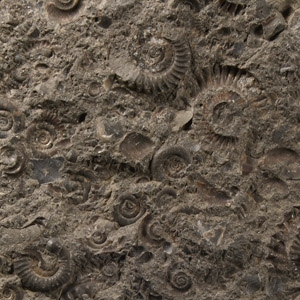
Natural History - Fossil Whitby Dac Ammonite Cluster
Lower Jurassic Period, Toarcian Stage, circa 180 million years B.P.Sold for (Inc. bp): £13
A cut matrix with numerous overlapping Cymbites and Arnioceras sp. specimens. 729 grams, 15 cm
From a Lincolnshire, UK, collection. Property of a Cambridgeshire, UK, gentleman. -
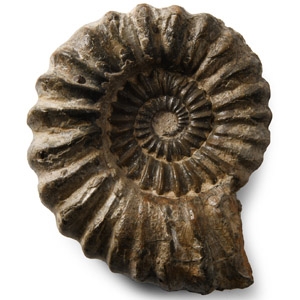
Natural History - British Fossil Ammonite
Lower Jurassic, Pliensbachian Stage, Green Ammonite Beds, circa 180 million years B.P.Sold for (Inc. bp): £46
An Androgynoceras lataecosta showing good detail; supplied in a cardboard tray with information label. 186 grams, 83 mm
Found Lower Lias, Charmouth, Dorset, UK. Ian Wilkinson collection, Nottinghamshire, UK, formed since 1985.
