
Loading, please wait...

LOT 2469
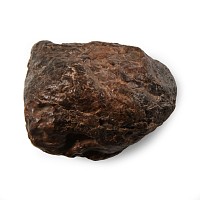
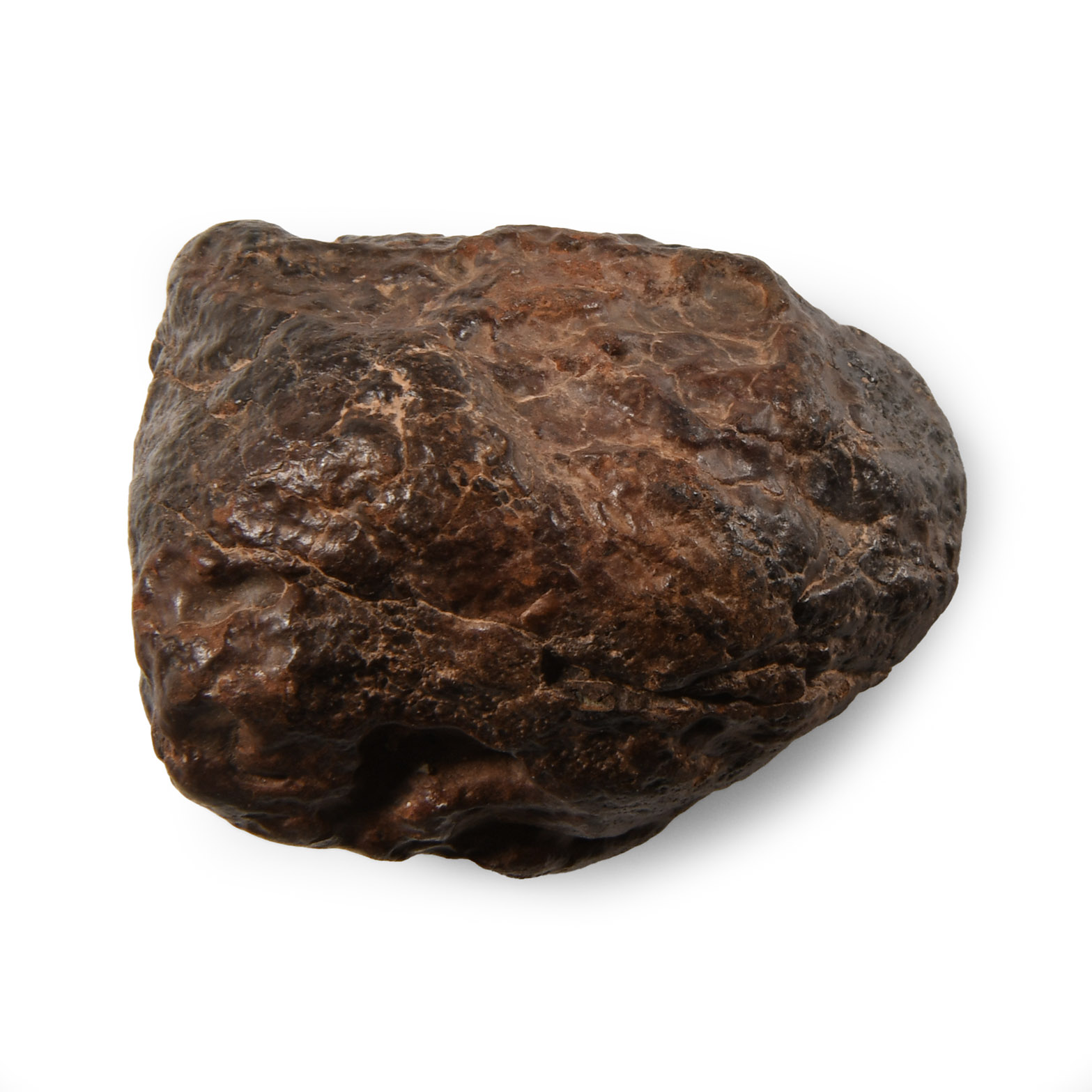
Natural History - Nuevo Mercurio Fall Meteorite
2 in. (102 grams, 52 mm).
A H5 chondrite showing some regmaglypts and primary fusion crust. [No Reserve]
ProvenanceFound near Nuevo Mercurio, Mexico, 1978.
FootnotesThe fall was strewn across an area about 10 km north of the village of Nuevo Mercurio, Zacatecas, Mexico, 250 km South West of Monterrey. A bright fireball, travelling North East to South West and visible over a radius of at least 200 km, exploded over north-central Mexico and scattered meteorites over an elliptical area more than 10 km in length. Only 5 kg of material has been found to date.
CONDITIONTimeLine Auctions follows a vetting process to ensure the authenticity and legality of all items, reinforcing our commitment to integrity and responsible trading. Each antiquity, antique, and coin lot undergoes thorough examination by a vetting committee of at least ten external specialists, professional trade association members, scientists, and archaeologists: Our Vetting Process
AUCTIONS:
TimeLine is a leading auction house specialising in antiquities, ancient art, collectables, natural history, coins, medals, and books. Our auctions offer museums, collectors, historians, and enthusiasts the opportunity to acquire unique and historically significant pieces.
-
![Natural History - Aquamarine Topaz Pebble Group [50]](https://timelineauctions.com/upload/images/items/small/207988-s(1).jpg)
Natural History - Aquamarine Topaz Pebble Group [50]
Sold for (Inc. bp): £13
Comprising natural unpolished pebbles. 575 grams total, 16-43 mm
Ex Mineral Imports, London, UK. Gregory, Bottley & Lloyd (Gregory's). -
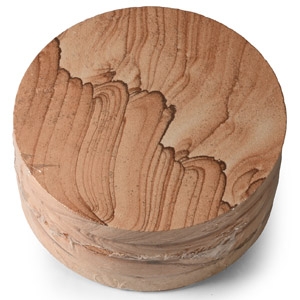
Natural History - Arizona Sierra Natural Sandstone Coaster Set
Sold for (Inc. bp): £20
A set of four polished coasters with cork backing, showing attractive layering. 560 grams total, 94 mm each
From a Cambridgeshire, UK, collection. -
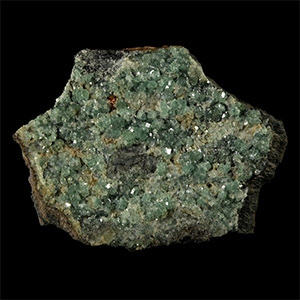
Natural History - Historic 'Chokotka Peninsula, U.S.S.R.' Demantoid Mineral Specimen
Sold for (Inc. bp): £52
With apple-green and greenish white crystals, the calcium has been replaced by traces of chromic acid, collection number 461. 75 grams, 87 mm
Acquired on the UK mineral and fossil market, since 1970. From the historic mineral collection of Richard Valentine Cain, London, UK, thence by descent. Accompanied by an original historic index file card and an old Gregory, Bottley & Lloyd label.
