
Loading, please wait...
LOT 2222
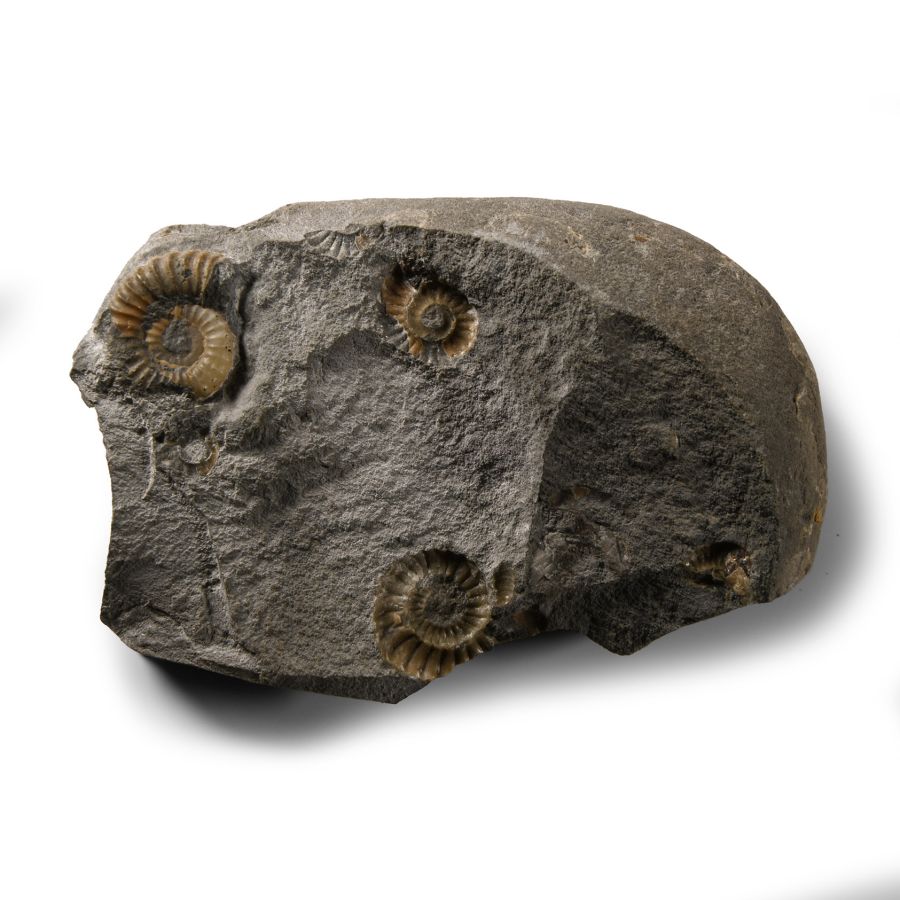
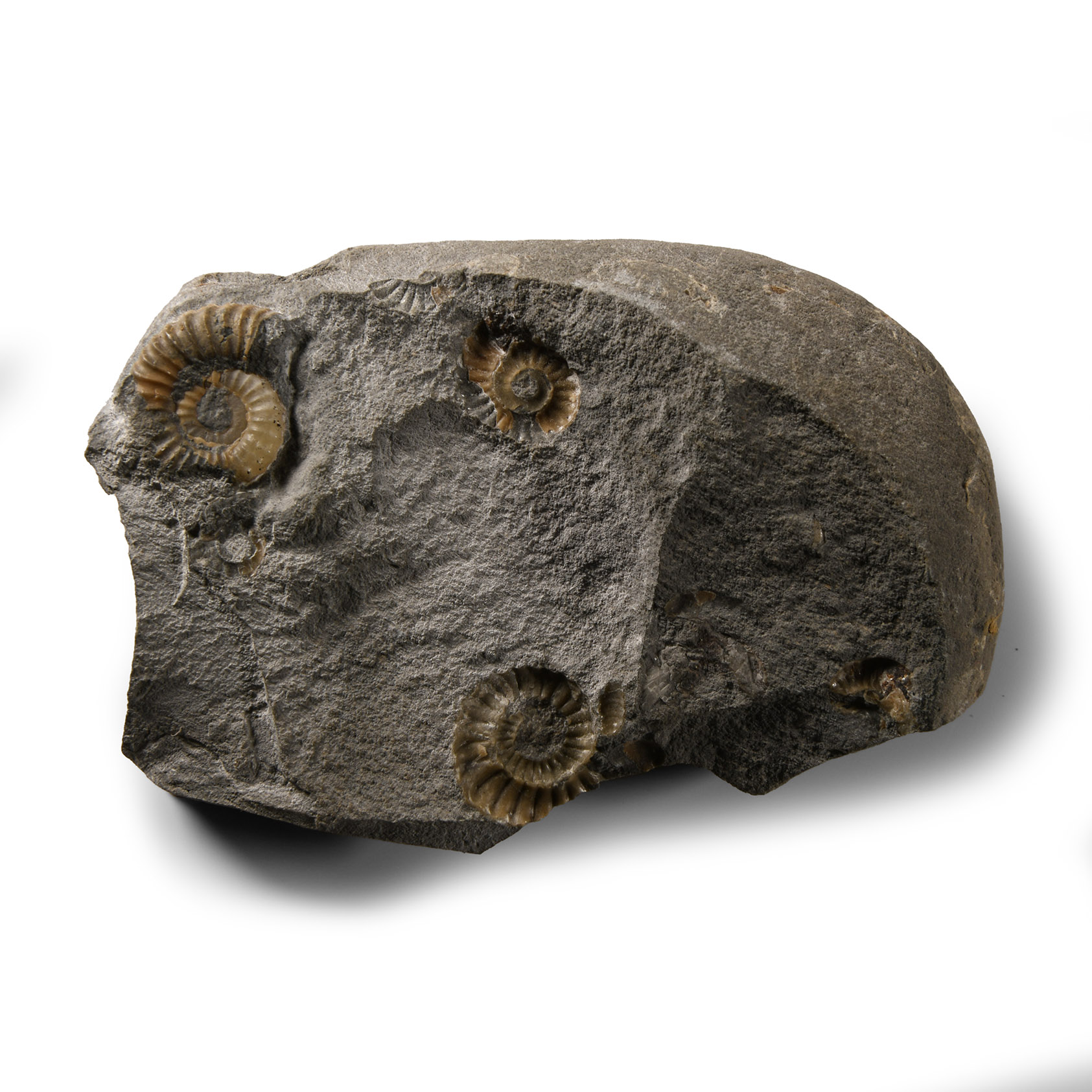
Natural History - Lyme Regis Fossil Ammonite Cluster
LOWER JURASSIC, SINEMURIAN STAGE, CIRCA 199-192 MILLION YEARS B.P.
3 3/4 in. (214 grams, 97 mm).
Comprising an irregular matrix with a Promicroceras planicosta fossil ammonite and negative impressions of other ammonites. [No Reserve]
ProvenanceFrom a Lincolnshire, UK, collection.
Property of a Cambridgeshire, UK, gentleman.
TimeLine Auctions follows a vetting process to ensure the authenticity and legality of all items, reinforcing our commitment to integrity and responsible trading. Each antiquity, antique, and coin lot undergoes thorough examination by a vetting committee of at least ten external specialists, professional trade association members, scientists, and archaeologists: Our Vetting Process
AUCTIONS:
TimeLine is a leading auction house specialising in antiquities, ancient art, collectables, natural history, coins, medals, and books. Our auctions offer museums, collectors, historians, and enthusiasts the opportunity to acquire unique and historically significant pieces.
-
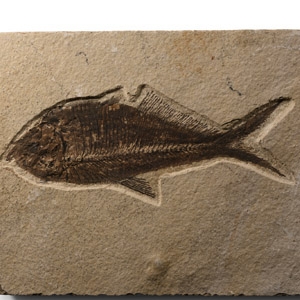
Natural History - Diplomystus Fossil Fish on Matrix
Eocene Period, circa 56-33 million years B.P.Sold for (Inc. bp): £72
On a rectangular matrix, showing good detail. 776 grams, 16.5 cm
From Madagascar. From a Lincolnshire, UK, collection. Property of a Cambridgeshire, UK, gentleman. -
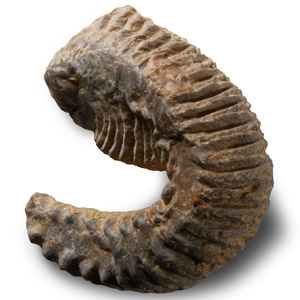
Natural History - Fossil Rastellum Bivalve
Jurassic Period, circa 155 million years B.P.Sold for (Inc. bp): £7
A Rastellum carinatum fossil bivalve. 121 grams, 66 mm
From a Cambridgeshire, UK, collection. Property of a Cambridgeshire, UK, gentleman.
Rastellum carinatum specimens have wide, angled ribs that have led to it being called the 'denture clam'; the zig-zag join between the two shells stopped coarse dirt and debris entering the shell and damaging its soft body. Like modern oysters, it lived in shallow coastal waters including the interstitial zone and fed on food particles that it filtered out of the sea water. -
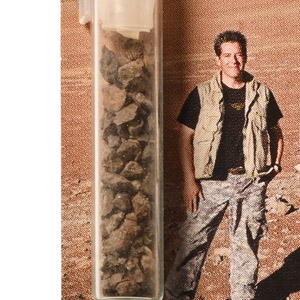
Natural History - Vaca Muerta Meteorite
Found circa 2010 A.D.Sold for (Inc. bp): £65
Meteorite crumbs in a glass phial from Vaca Muerta in the Atacama Desert. 4.08 grams total, 87 x 49 mm including card
Found in Chile while filming an episode of the TV series Meterorite Men. Acquired from Steve Arnold, co-star of 'Meteorite Men'. Ian Wilkinson collection, Nottinghamshire, UK. Accompanied by a authenticity card signed by Steve Arnold.
