
Loading, please wait...
.JPG_900x900.jpg "Natural History - Lodranite NWA 8118 Meteorite Slice")
.JPG_200x200.jpg "Natural History - Lodranite NWA 8118 Meteorite Slice")
.JPG_900x900.jpg "Natural History - Lodranite NWA 8118 Meteorite Slice")
.JPG_200x200.jpg "Natural History - Lodranite NWA 8118 Meteorite Slice")
.JPG "Natural History - Lodranite NWA 8118 Meteorite Slice")
.JPG "Natural History - Lodranite NWA 8118 Meteorite Slice")
LOT 2470
Natural History - Lodranite NWA 8118 Meteorite Slice
FOUND 2013 A.D.
7/8 in. (3 7/8 x in.) (16.7 grams, 53 mm (65.6 grams total, 99 x 75 mm including case)).
A cut slice of primitive achondrite recorded as: Northwest Africa 8118; displayed in a Swiss membrane box, and with an inked 'NWA 8118' to one side. [No Reserve]
ProvenanceFrom the Sahara Desert, North West Africa.
Ex SV-Meteorites, Prague.
From a Leicestershire, UK, collection.
Accompanied by an original identification card.
TimeLine Auctions follows a vetting process to ensure the authenticity and legality of all items, reinforcing our commitment to integrity and responsible trading. Each antiquity, antique, and coin lot undergoes thorough examination by a vetting committee of at least ten external specialists, professional trade association members, scientists, and archaeologists: Our Vetting Process
AUCTIONS:
TimeLine is a leading auction house specialising in antiquities, ancient art, collectables, natural history, coins, medals, and books. Our auctions offer museums, collectors, historians, and enthusiasts the opportunity to acquire unique and historically significant pieces.
-
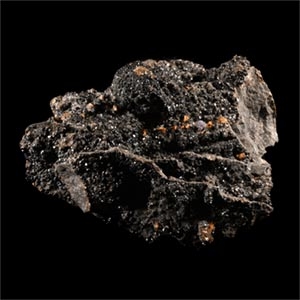
Natural History - Large Historic 'Brazil' Sphalerite Mineral Specimen
Sold for (Inc. bp): £20
An interesting specimen displaying black, greyish black, slate-grey and toffee-brown colours, collection number 125. 1.08 kg, 15 cm
Acquired on the UK mineral and fossil market, since 1970. From the historic mineral collection of Richard Valentine Cain, London, UK, thence by descent. Accompanied by an original historic index file card. -
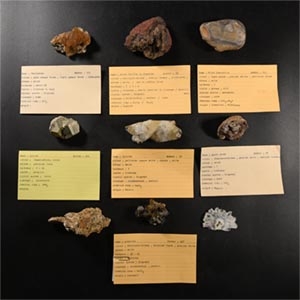
Natural History - Historic Mineral Specimen Collection
Sold for (Inc. bp): £7
Comprising: brown chalcedony, collection number 131; calcite from Mexico, collection number 38; siderite from Cornwall, collection number 447, with an old Gregory, Bottley & Lloyd label; brown calcite in hematite from England, collection number 98; pyrite nodule, collection number 624; flint concretion from Greenford, Middlesex, collection number 211; mica(?), collection number 366; agate with quartz from Brazil, collection number 353; agate geode half from Mexico, collection number 28. 841 grams total, 47-93 mm
Acquired on the UK mineral and fossil market, since 1970. From the historic mineral collection of Richard Valentine Cain, London, UK, thence by descent. Seven specimens accompanied by an original historic index file card. -
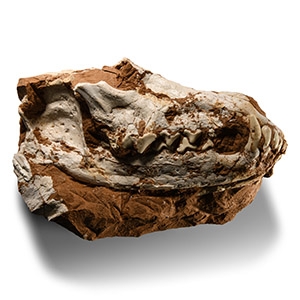
Natural History - Fossil Wolf Skull in Matrix
Late Pliocene-early Pleistocene Period, circa 5.3 million-60,000 years B.P.Sold for (Inc. bp): £1,170
The majority of Canis teilhardi skull in matrix with some other bone fragments. 1.28 kg, 19 cm
From the private collection of a London gentleman formed since 2003.
