
Loading, please wait...
LOT 2537
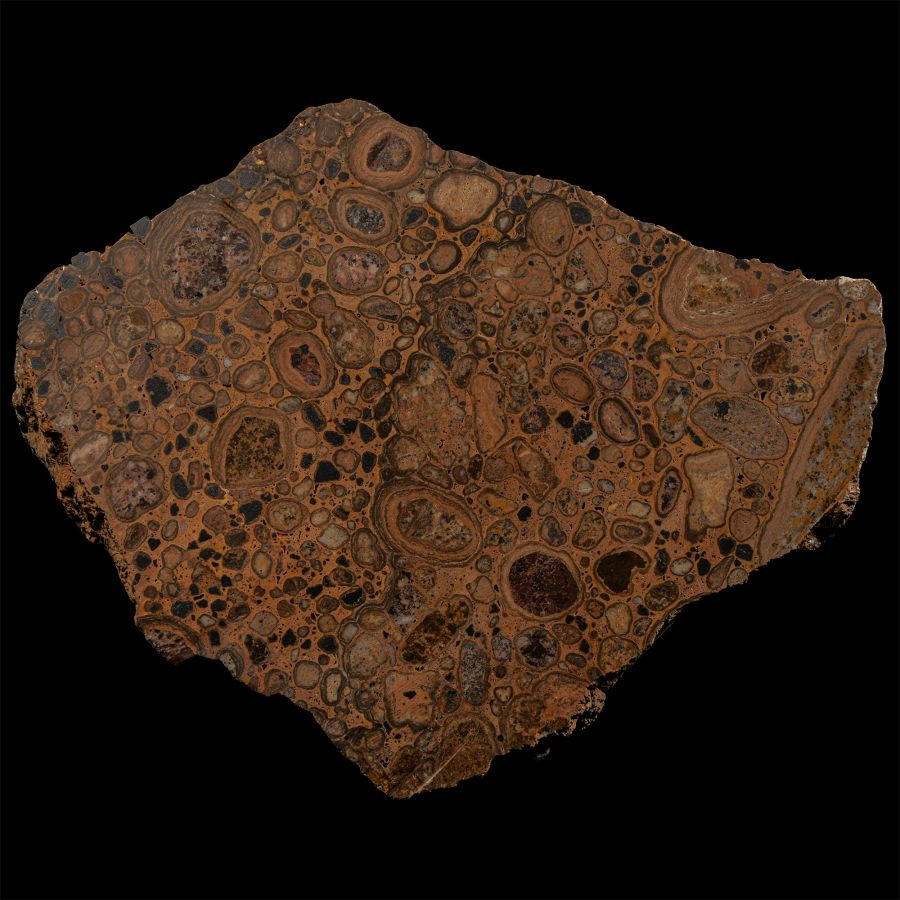
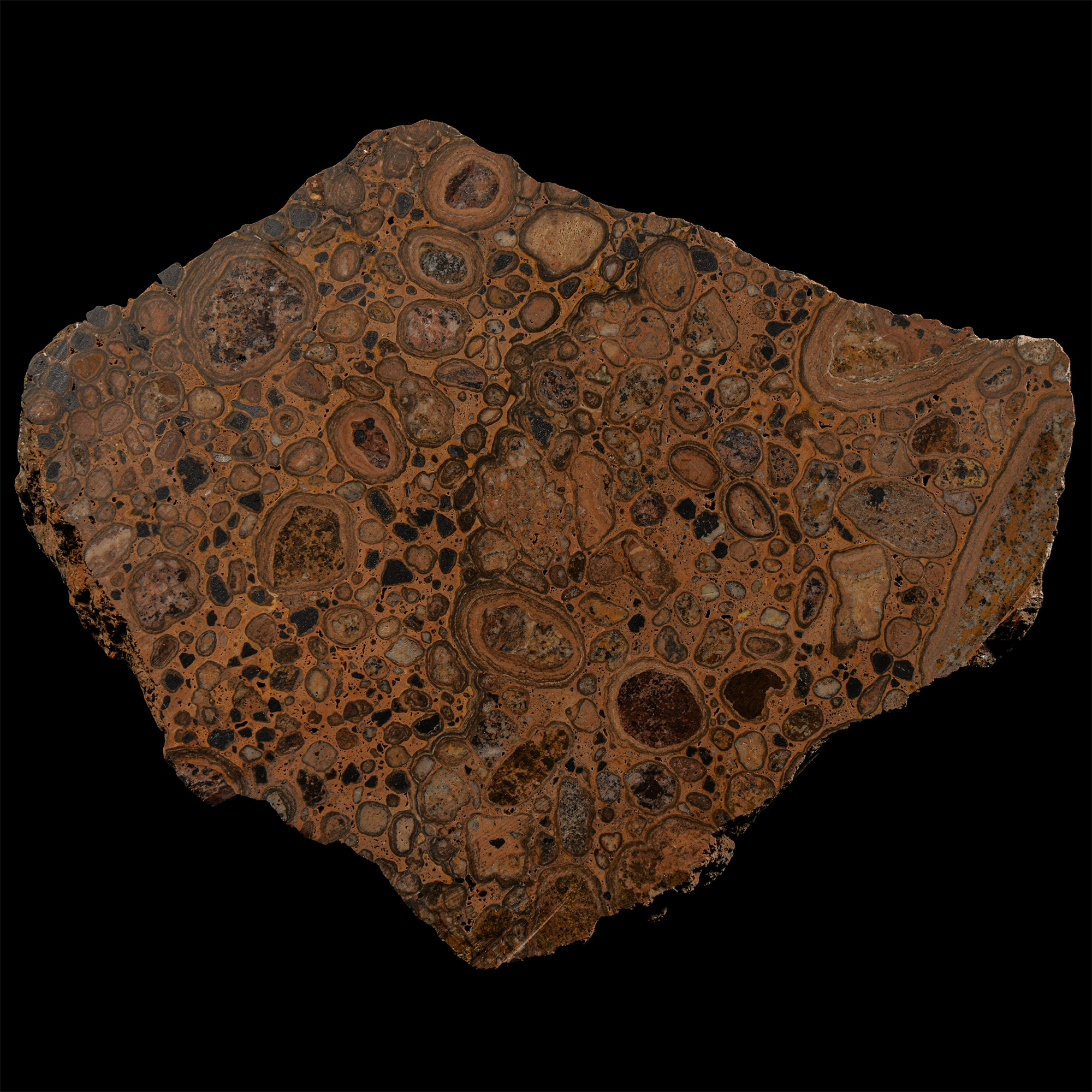
Natural History - Large Polished 'Puddlestone'
9 5/8 in. (3.56 kg, 24.6 cm).
With two lightly polished and laquered cut faces showing the internal structure of the specimen, approximately 50 mm thick. [No Reserve]
ProvenanceEx Mineral Imports, London, UK.
Gregory, Bottley & Lloyd (Gregory's).
TimeLine Auctions follows a vetting process to ensure the authenticity and legality of all items, reinforcing our commitment to integrity and responsible trading. Each antiquity, antique, and coin lot undergoes thorough examination by a vetting committee of at least ten external specialists, professional trade association members, scientists, and archaeologists: Our Vetting Process
AUCTIONS:
TimeLine is a leading auction house specialising in antiquities, ancient art, collectables, natural history, coins, medals, and books. Our auctions offer museums, collectors, historians, and enthusiasts the opportunity to acquire unique and historically significant pieces.
-
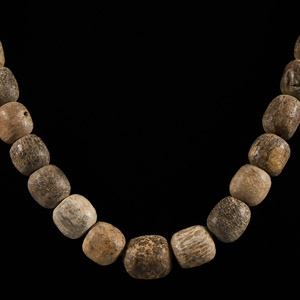
Natural History - Woolly Mammoth Bone Bead Necklace String
Devensian Period, 110,000-12,000 years B.P.Sold for (Inc. bp): £85
Restrung using polished Mammuthus primigenius bone beads. 142 grams, 62 cm long
Private UK collection formed in the 1980s. Property of an East Sussex, UK, teacher. -
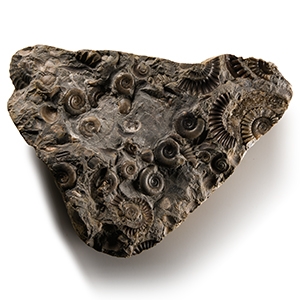
Natural History - Fossil Ammonite Cluster
Lower Jurassic Period, Toarcian Stage, circa 180 million years B.P.Sold for (Inc. bp): £98
A quantity of ammonite specimens on an irregular matrix, possibly Cymbites. 916 grams, 18 cm
From Whitby, UK. From a Lincolnshire, UK, collection. -
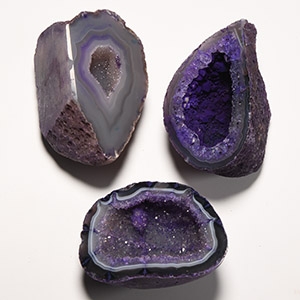
Natural History - Purple Agate Crystal Geode Cut Half Group
Sold for (Inc. bp): £20
Each cut to reveal an internal crystal-filled cavity and banding; in enhanced dark purple colour. 772 grams total, 84-94 mm
Ex Mineral Imports, London, UK. Gregory, Bottley & Lloyd (Gregory's).
