
Loading, please wait...
LOT 2775
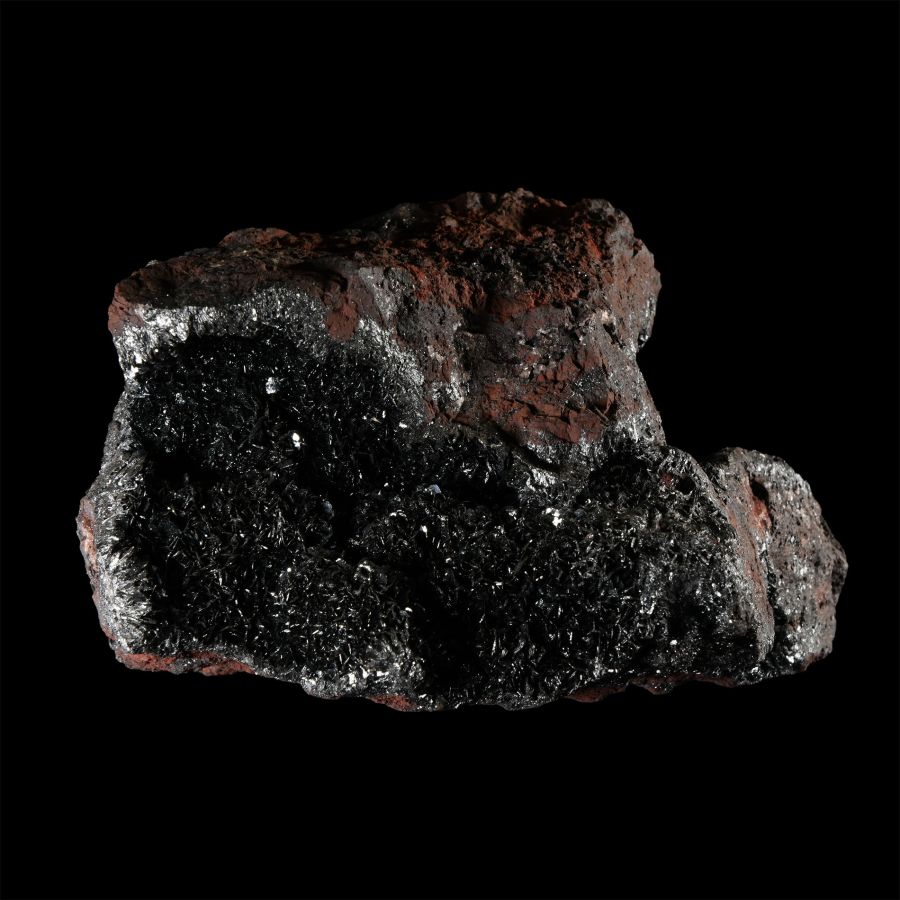
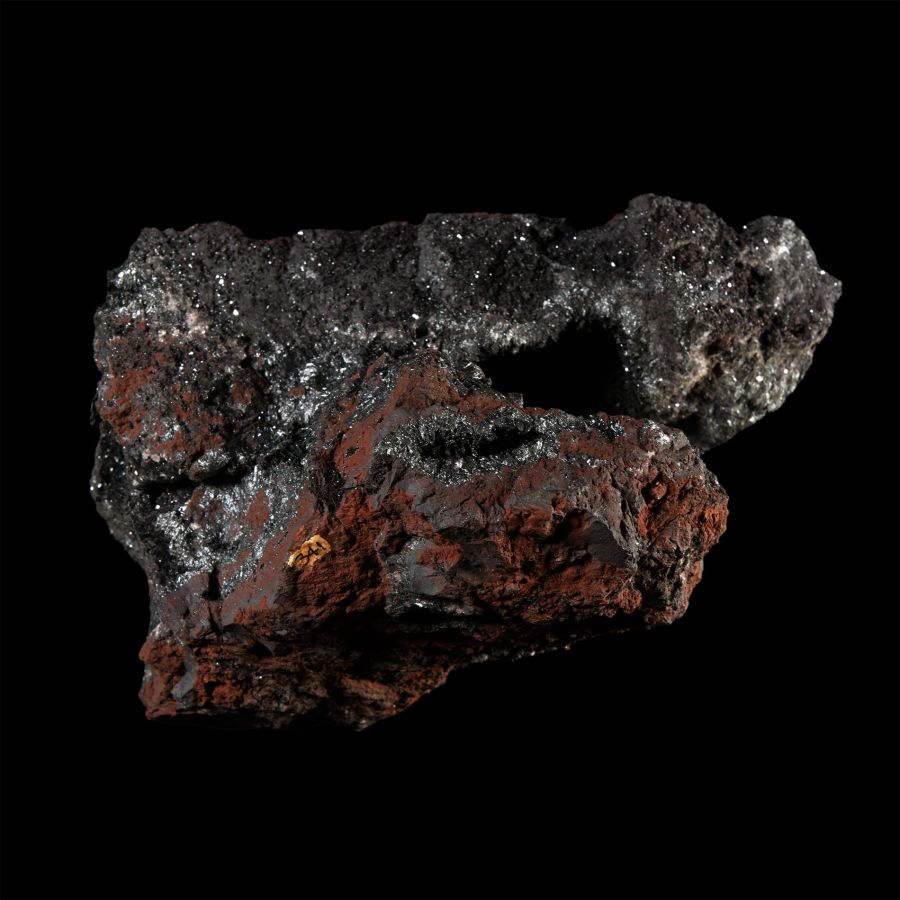
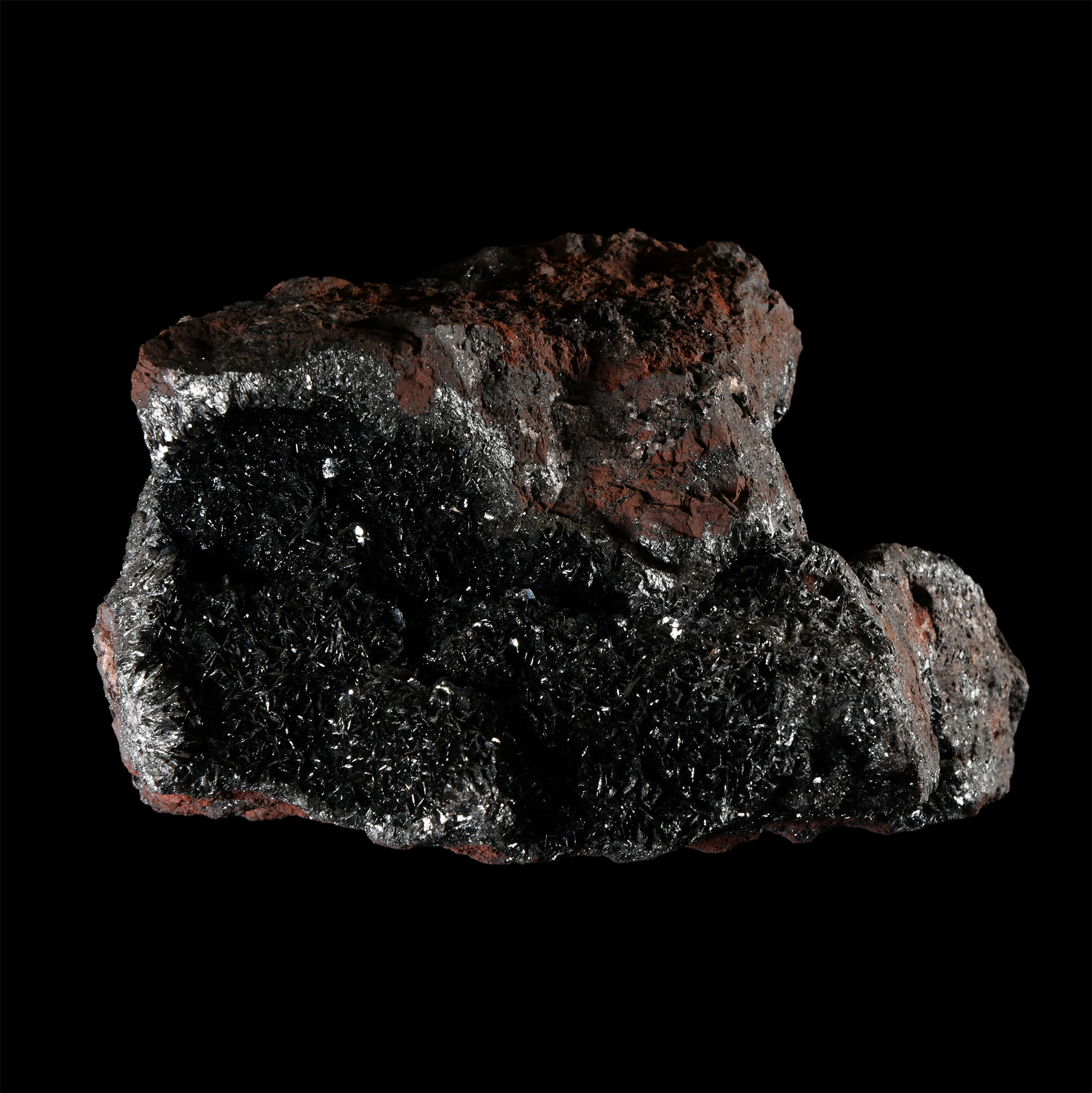
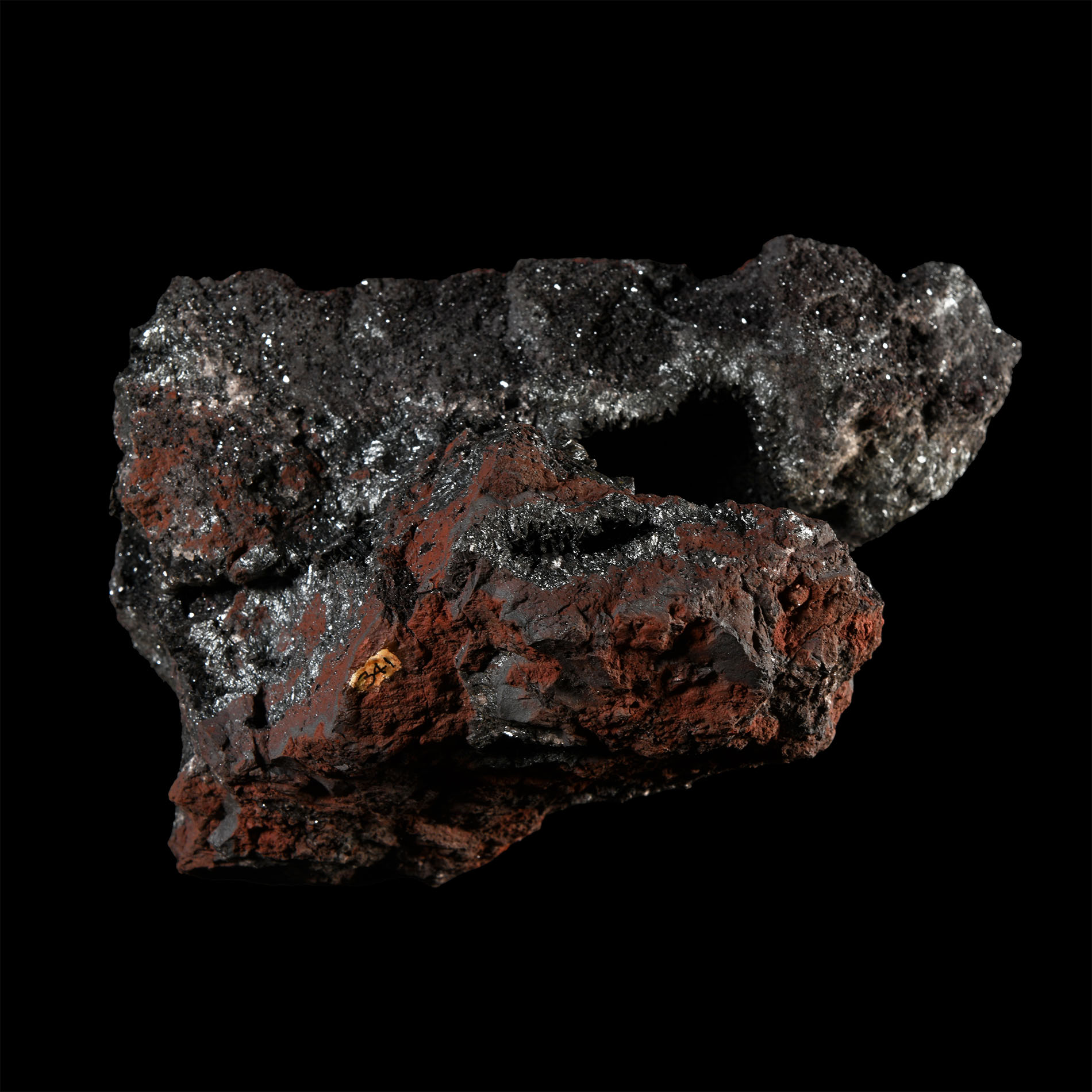
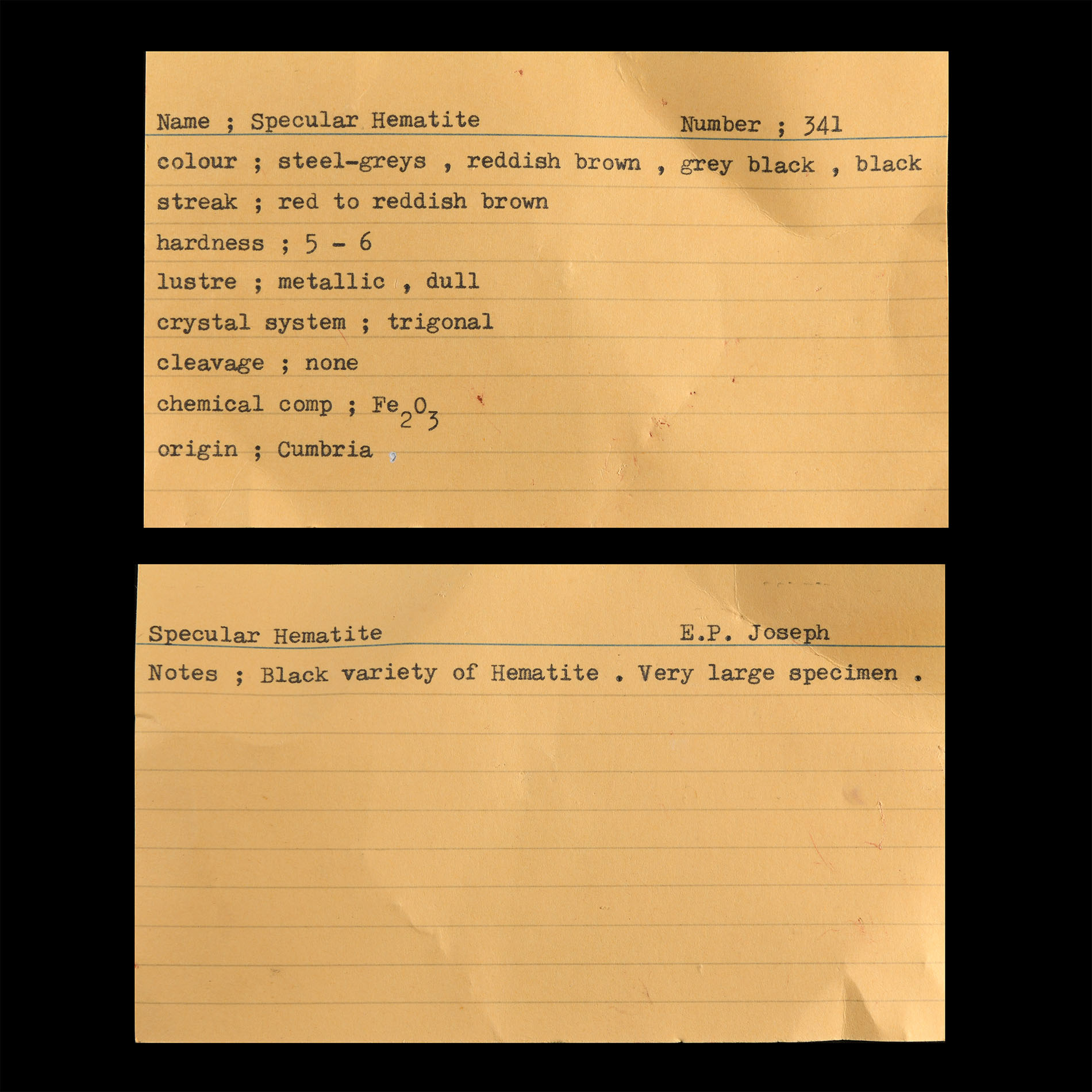
Natural History - Large Historic 'Cumbria, UK' Specular Hematite Mineral Specimen
6 1/4 in. (2.14 kg, 16 cm).
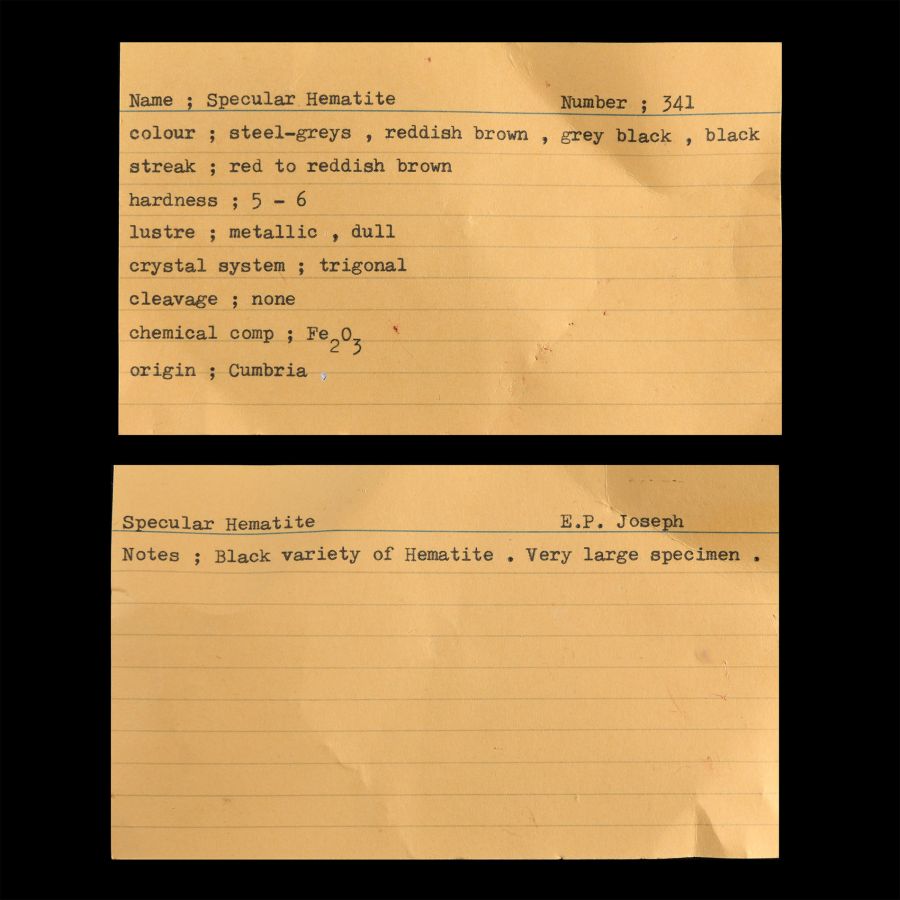
A large specimen with an internal cavity, displaying steel grey, reddish brown, grey black, and black colours, collection number 341. [No Reserve]
ProvenanceAcquired on the UK mineral and fossil market, since 1970.
From the historic mineral collection of Richard Valentine Cain, London, UK, thence by descent.
Accompanied by an original historic index file card.
TimeLine Auctions follows a vetting process to ensure the authenticity and legality of all items, reinforcing our commitment to integrity and responsible trading. Each antiquity, antique, and coin lot undergoes thorough examination by a vetting committee of at least ten external specialists, professional trade association members, scientists, and archaeologists: Our Vetting Process
AUCTIONS:
TimeLine is a leading auction house specialising in antiquities, ancient art, collectables, natural history, coins, medals, and books. Our auctions offer museums, collectors, historians, and enthusiasts the opportunity to acquire unique and historically significant pieces.
LOT 2775
Natural History - Large Historic 'Cumbria, UK' Specular Hematite Mineral Specimen
Sold for (Inc. bp): £260
-
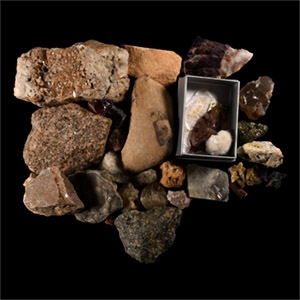
Natural History - Mixed Mineral Specimen Group
Sold for (Inc. bp): £7
Comprising: agate from North Transvaal, South Africa, collection number 198; galena from England, collection number 234; chalcopyrite from North Transvaal, South Africa, collection number 193; granite from Horsenden Hill, Ealing, England; amethyst from Brazil, collection number 360; actinolite, collection number 463; unidentified prismatic mineral specimen, collection number 599; baryte from Cumbria, England, collection number 13; sand crystals from Canterbury Sand Pit, Kent, collection number 173; crazy laced agate slice, collection number 397; two selenite slices from the Sahara Desert, Libya, collection number 349; and a number of other mineral specimens without collection numbers. 835 grams total, 15-87 mm
Acquired on the UK mineral and fossil market, since 1970. From the historic mineral collection of Richard Valentine Cain, London, UK, thence by descent. -
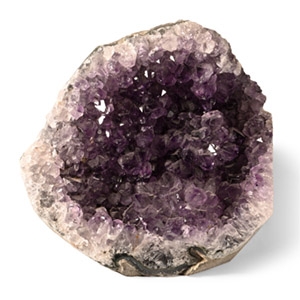
Natural History - Amethyst Crystal Display
Sold for (Inc. bp): £52
A freestanding cut geode section with lilac-coloured amethyst crystals. 960 grams, 11.1 cm
From a Lincolnshire, UK, collection. -
![Natural History - Agate Crystal Geode Cut Half Group [10]](https://timelineauctions.com/upload/images/items/small/211409-s.jpg)
Natural History - Agate Crystal Geode Cut Half Group [10]
Sold for (Inc. bp): £65
Comprising ten polished halves showing grey and brown banding. 1.06 kg total, 49-59 mm
Ex Mineral Imports, London, UK. Gregory, Bottley & Lloyd (Gregory's).
